Shagiwal S S, Groenestein E, Schop-Etman A, Jongerling J, van der Waal J, Noordzij G, Denktas S
Department of Psychology, Education and Child Studies, Erasmus School of Social and Behavioral Sciences Erasmus University Rotterdam The Netherlands.
Department of Public Administration and Sociology, Erasmus School of Social and Behavioral Sciences Erasmus University Rotterdam The Netherlands.
Obes Sci Pract. 2020 Oct 8;6(6):708-734. doi: 10.1002/osp4.452. eCollection 2020 Dec.
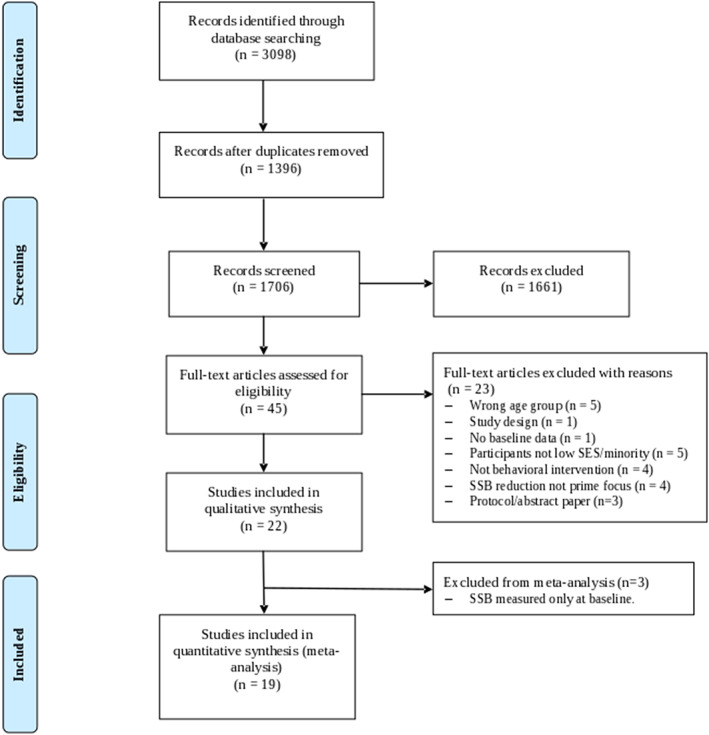
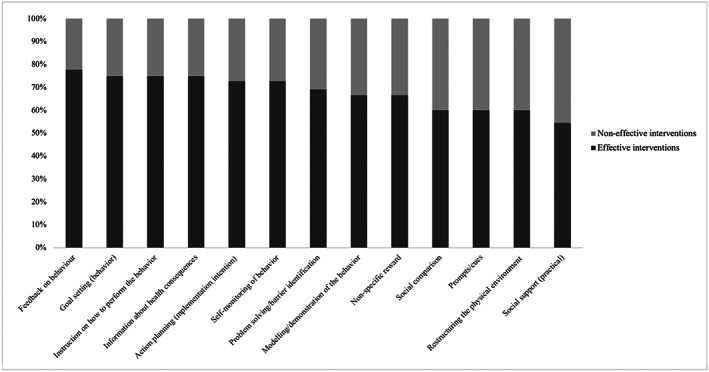
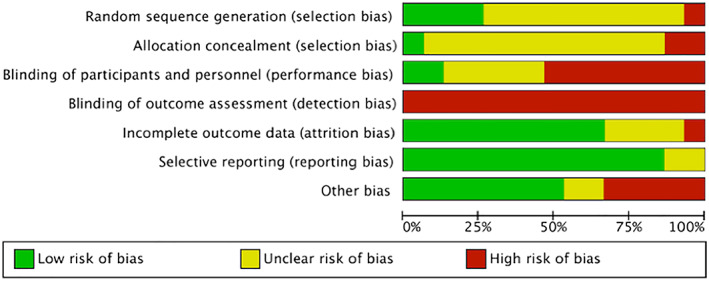
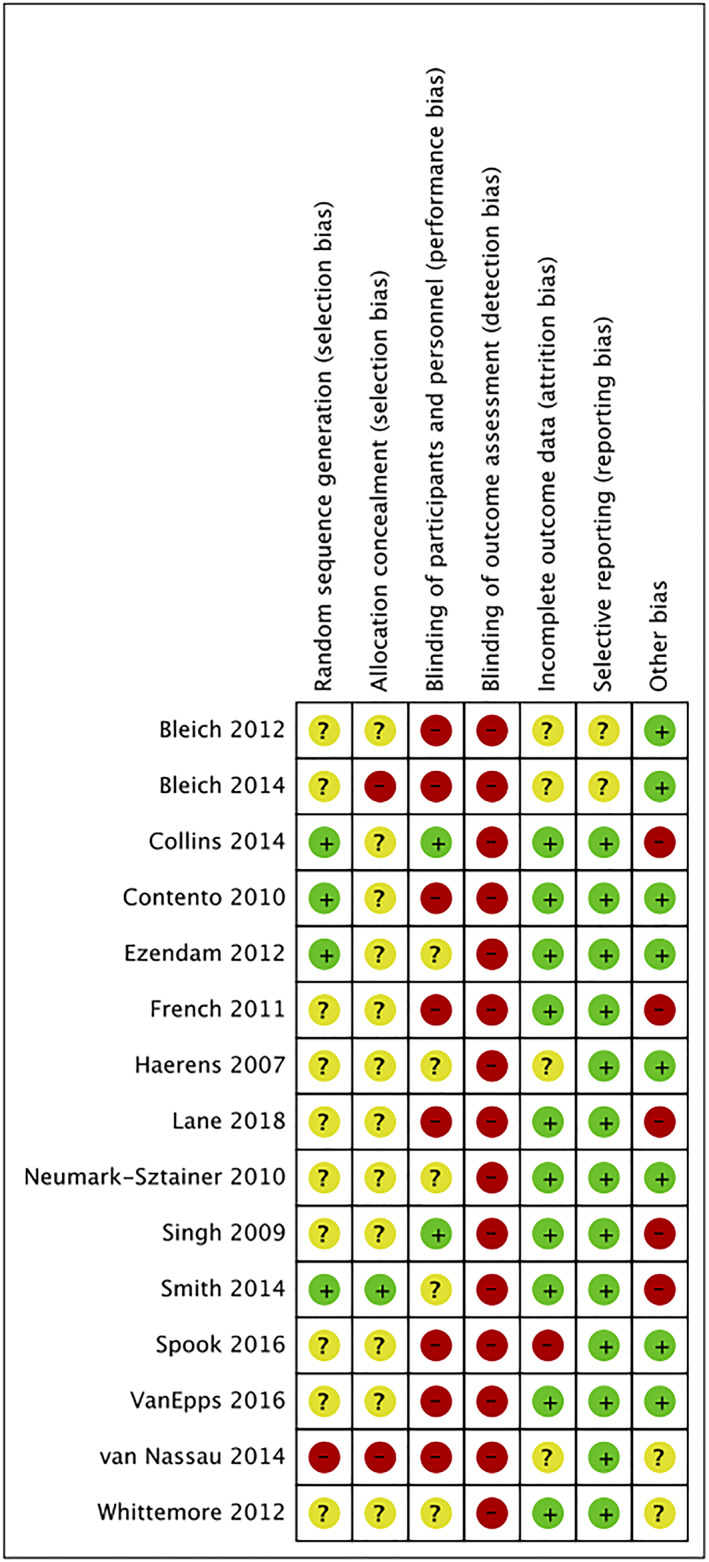
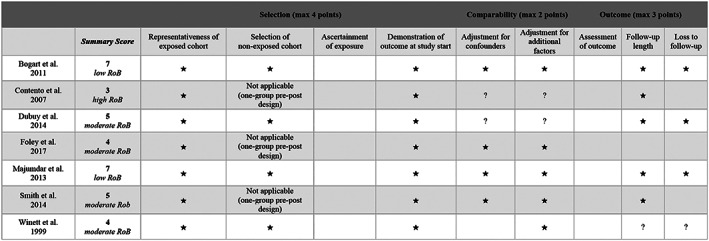
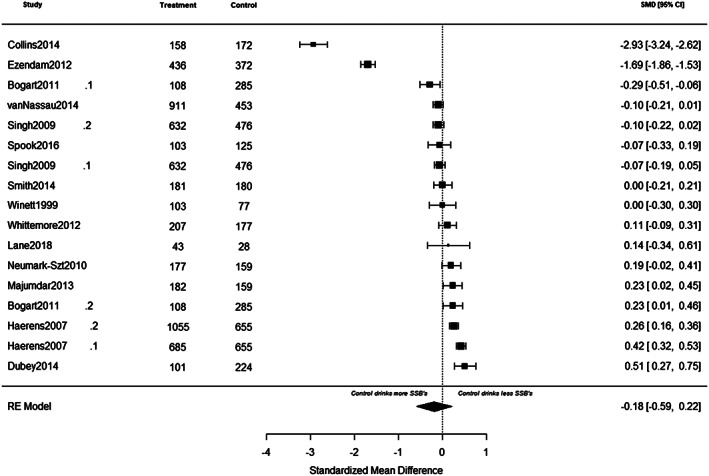
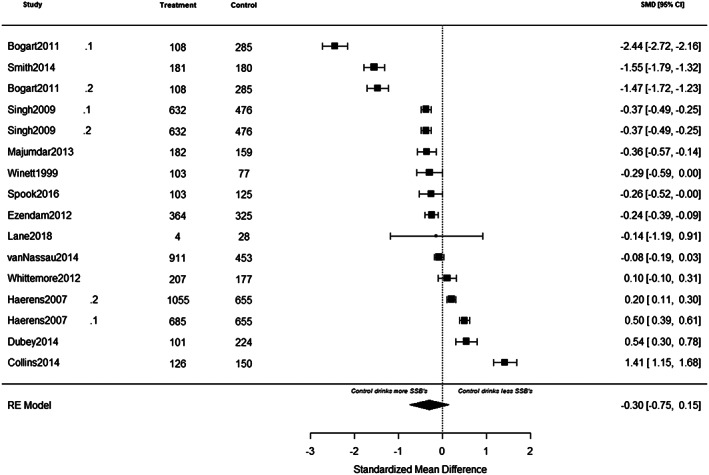
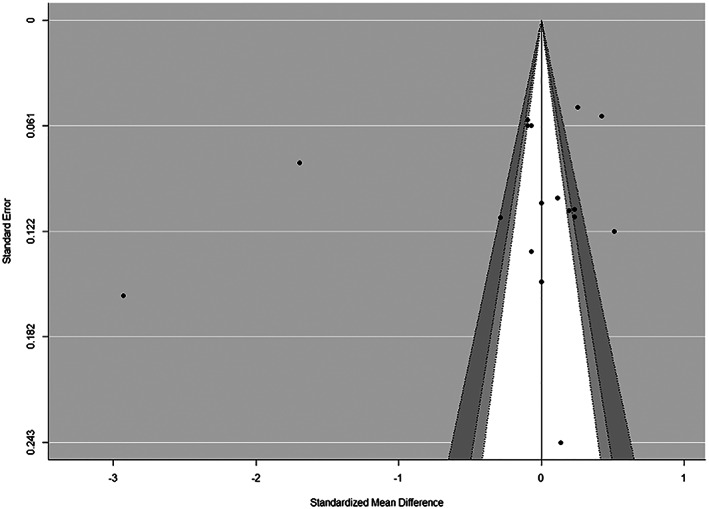
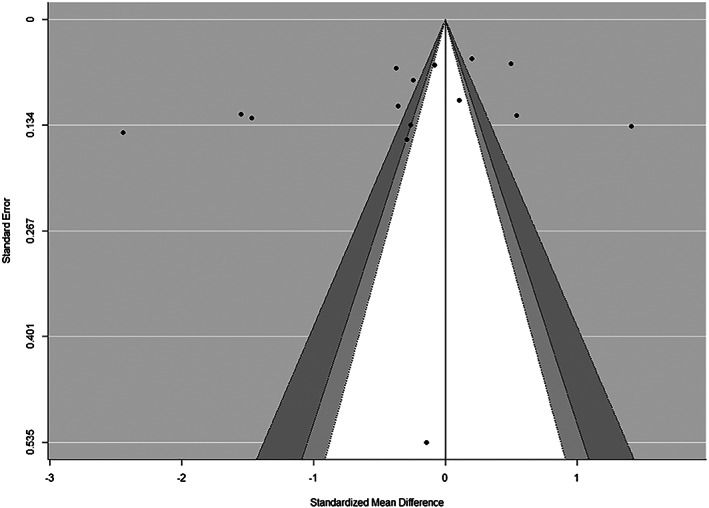
Reducing sugar-sweetened beverage (SSB) intake is an important dietary target, especially among socioeconomically disadvantaged ethnic minority adolescents. This review and meta-analysis evaluated the effectiveness of behavioural interventions aiming to reduce SSB intake in socioeconomically disadvantaged ethnic minority adolescents and examined which behaviour change techniques (BCTs) were most effective. A systematic search was conducted using the PRISMA criteria. Quality assessments were done using the Cochrane criteria. In a narrative synthesis, studies were divided into effective and non-effective, and relative effectiveness ratios of individual BCTs were calculated. Pooled standardized mean differences (SMDs) and their 95% confidence intervals were estimated with random-effects models using cluster robust methods. Twenty-two studies were included in the qualitative synthesis. A meta-analysis ( = 19) revealed no significant between-group differences in reduction of SSB intake. Five self-regulatory BCTs had an effectiveness ratio >50%: feedback, goal-setting, action planning, self-monitoring and problem-solving/barrier identification. The risk of bias assessments were judged to be moderate to high risk for randomized controlled trials (RCTs) studies and low to moderate for pre-post studies. There was no indication of publication bias. In conclusion, self-regulatory BCTs may be effective components to change SSB behaviour. However, high-quality research is needed to evaluate the effectiveness of behavioural interventions and identify BCTs effective for reducing SSB intake among disadvantaged adolescents with ethnic minority backgrounds.
减少含糖饮料(SSB)的摄入量是一项重要的饮食目标,在社会经济地位不利的少数族裔青少年中尤为如此。本综述和荟萃分析评估了旨在减少社会经济地位不利的少数族裔青少年SSB摄入量的行为干预措施的有效性,并研究了哪些行为改变技术(BCTs)最有效。使用PRISMA标准进行了系统检索。使用Cochrane标准进行质量评估。在叙述性综述中,研究被分为有效和无效两类,并计算了各个BCTs的相对有效性比率。使用聚类稳健方法的随机效应模型估计合并的标准化平均差(SMDs)及其95%置信区间。定性综述纳入了22项研究。一项荟萃分析(n = 19)显示,在减少SSB摄入量方面,组间没有显著差异。五种自我调节BCTs的有效性比率>50%:反馈、目标设定、行动计划、自我监测和问题解决/障碍识别。随机对照试验(RCTs)研究的偏倚风险评估被判定为中度至高度风险,前后对照研究的偏倚风险评估为低度至中度。没有发表偏倚的迹象。总之,自我调节BCTs可能是改变SSB行为的有效组成部分。然而,需要高质量的研究来评估行为干预措施的有效性,并确定对减少具有少数族裔背景的弱势青少年SSB摄入量有效的BCTs。