Chiellini Carolina, Guglielminetti Lorenzo, Sarrocco Sabrina, Ciurli Adriana
Department of Agriculture, Food and Environment (DAFE), University of Pisa, Pisa, Italy.
Italian National Research Council, Institute of Agricultural Biology and Biotechnology (IBBA), Pisa, Italy.
Front Plant Sci. 2020 Dec 9;11:607651. doi: 10.3389/fpls.2020.607651. eCollection 2020.
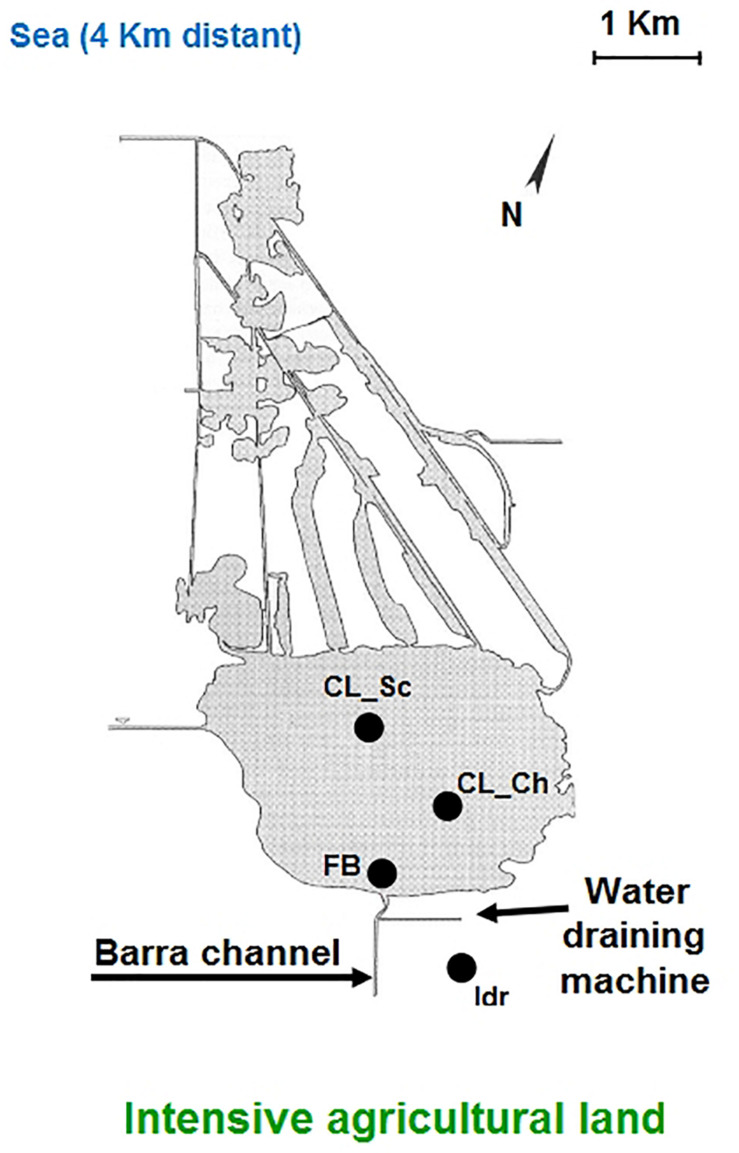
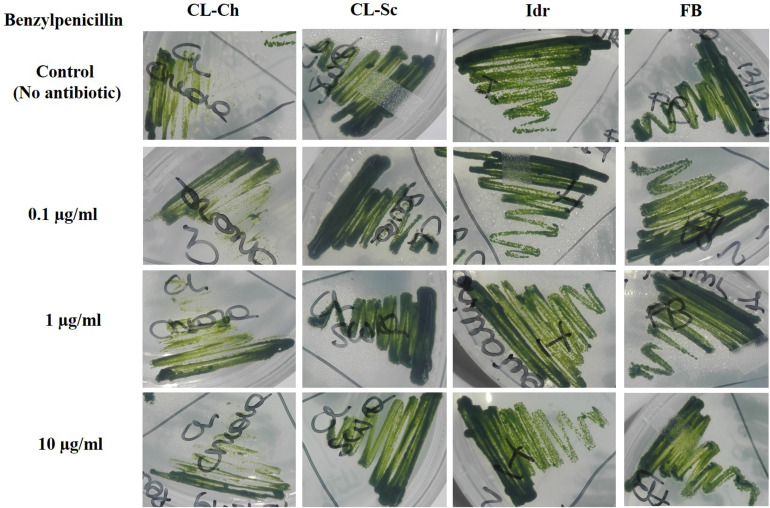
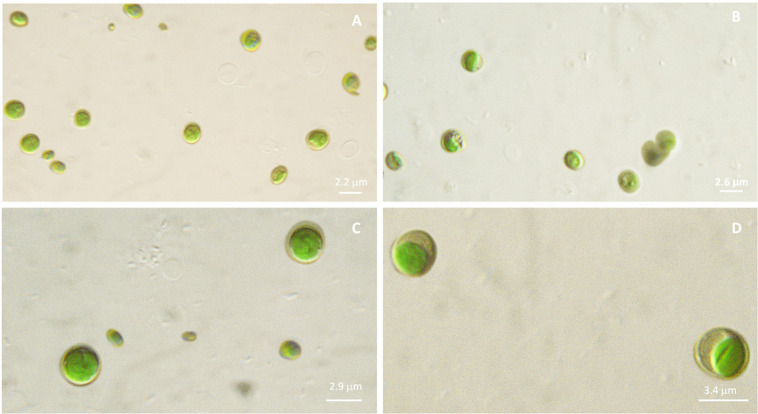
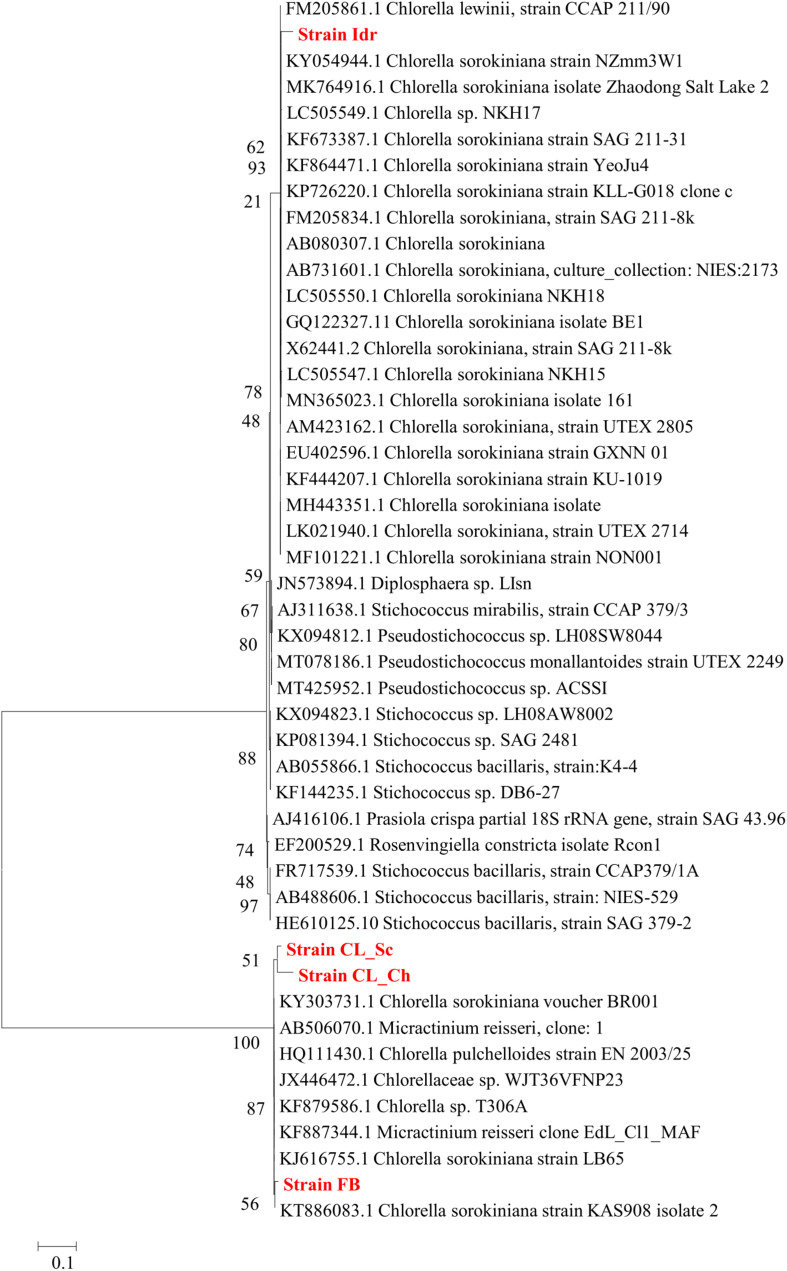
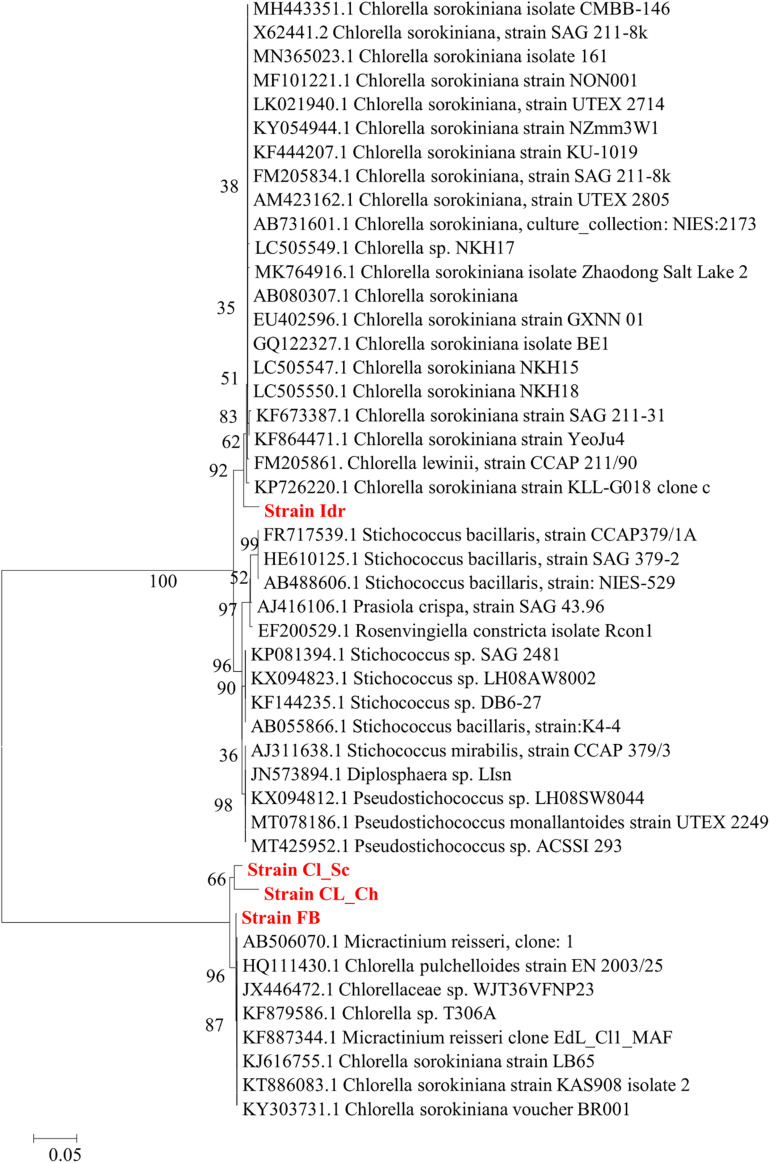
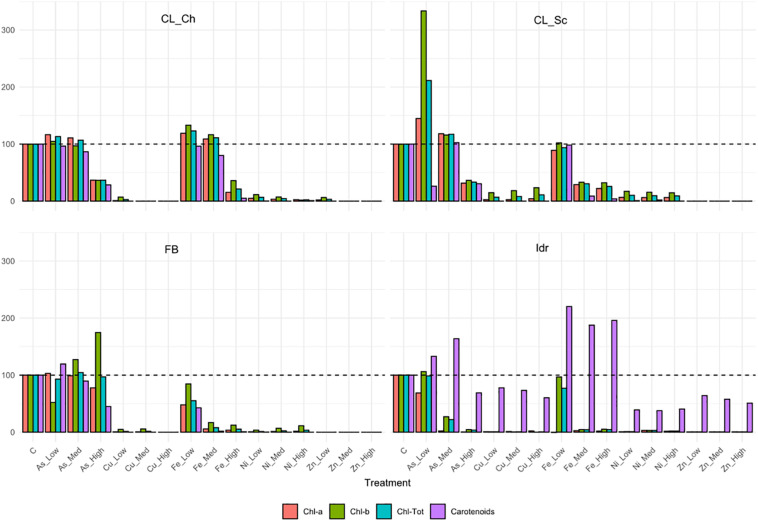
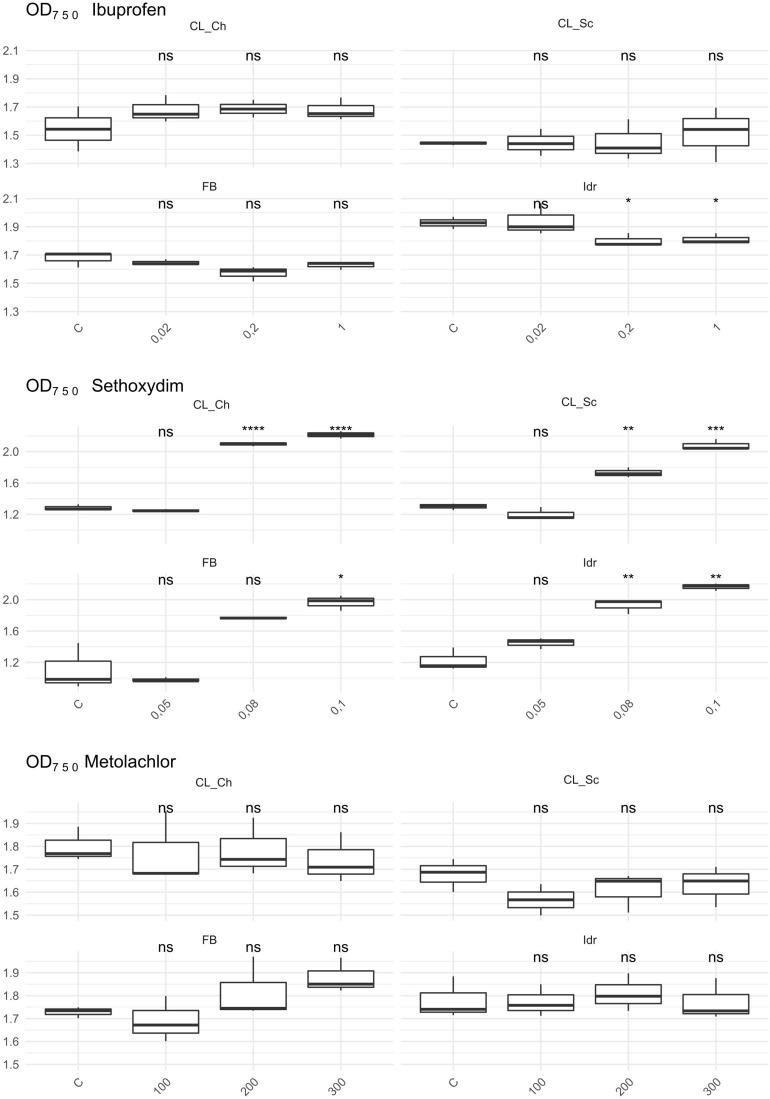
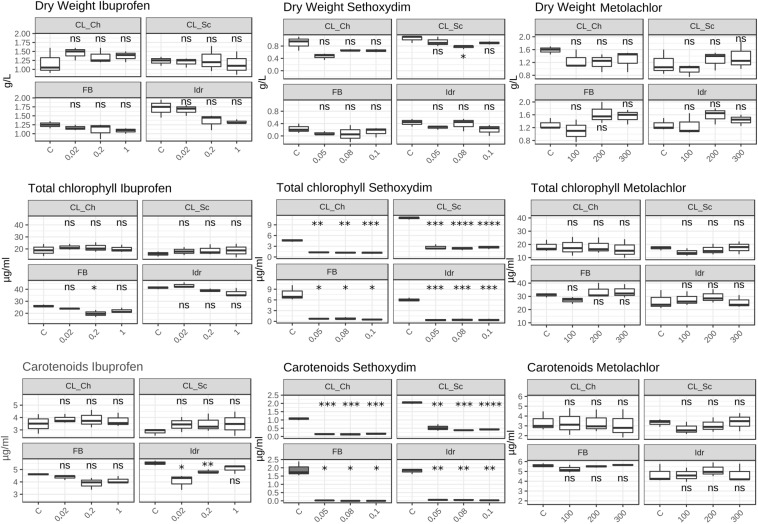
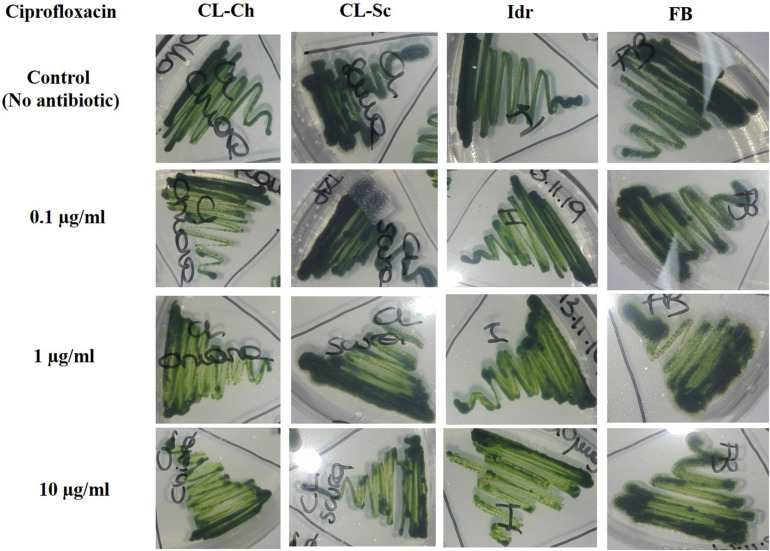
Aquatic ecosystems represent one of the largest reservoirs of phytoplankton accounting for most of the primary production of the Earth. The Lake Massaciuccoli located in Tuscany (Italy) is one of the largest swamps that in ancient times entirely covered the Versilia coastal plain. Despite its peculiar features, especially the eutrophic characteristics, its native microalgal consortia have never been explored up to now. In this work, we isolated and described four autochthonous microalgal strains from different sites in the lake (FB, Idr, CL_Sc, and CL_Ch); the four microalgal strains were identified within the clade. We exposed them to ten of the most common or emerging environmental contaminants in order to describe their preliminary response to the tested substances: five metals (As, Fe, Ni, Cu, and Zn), two herbicides (Metolachlor and Sethoxydim), two antibiotics (Ciprofloxacin and Benzylpenicillin) and a non-steroidal anti-inflammatory drug (Ibuprofen). Physiological response of the strains highlighted intraspecific differences; strain CL_Sc was the most tolerant in presence of metals while strain Idr was the most sensitive. All strains were sensitive to sethoxydim and tolerant to metolachlor at all the tested concentrations. Strains FB and Idr were the most sensitive in presence of Ibuprofen while strain CL_Ch was the most sensitive to the highest Benzylpenicillin concentration. Resistance pattern of strain Idr somehow reflects both the phylogenetic and the geographic "isolation" from all other three strains. Finally, optical microscope observation confirmed some differences also in the microalgae morphological aspect. Overall, all the strains showed interesting responses in presence of high concentrations of the tested substances, representing putative interesting candidates for water remediation in wastewater treatment plants.
水生生态系统是浮游植物最大的储存库之一,占地球初级生产的大部分。位于托斯卡纳(意大利)的马萨乔利湖是最大的沼泽地之一,在古代它完全覆盖了韦尔西利亚沿海平原。尽管它有独特的特征,特别是富营养化特征,但到目前为止,其本地微藻群落从未被探索过。在这项工作中,我们从湖中不同地点(FB、Idr、CL_Sc和CL_Ch)分离并描述了四种本地微藻菌株;这四种微藻菌株在进化枝内被鉴定出来。我们将它们暴露于十种最常见或新出现的环境污染物中,以描述它们对测试物质的初步反应:五种金属(砷、铁、镍、铜和锌)、两种除草剂(异丙甲草胺和稀禾啶)、两种抗生素(环丙沙星和苄青霉素)和一种非甾体抗炎药(布洛芬)。菌株的生理反应突出了种内差异;CL_Sc菌株在金属存在时耐受性最强,而Idr菌株最敏感。在所有测试浓度下,所有菌株对稀禾啶敏感,对异丙甲草胺耐受。在布洛芬存在时,FB和Idr菌株最敏感,而CL_Ch菌株对最高苄青霉素浓度最敏感。Idr菌株的抗性模式在某种程度上反映了与其他三种菌株在系统发育和地理上的“隔离”。最后,光学显微镜观察也证实了微藻在形态方面的一些差异。总体而言,所有菌株在高浓度测试物质存在时都表现出有趣的反应,代表了废水处理厂水修复的潜在有趣候选菌株。