Department of Medical Oncology, Dana-Farber Cancer Institute, Boston, MA, USA.
Department of Otolaryngology, Gifu University Graduate School of Medicine, Gifu, Japan.
Cancer Sci. 2021 Mar;112(3):978-988. doi: 10.1111/cas.14784. Epub 2021 Jan 27.
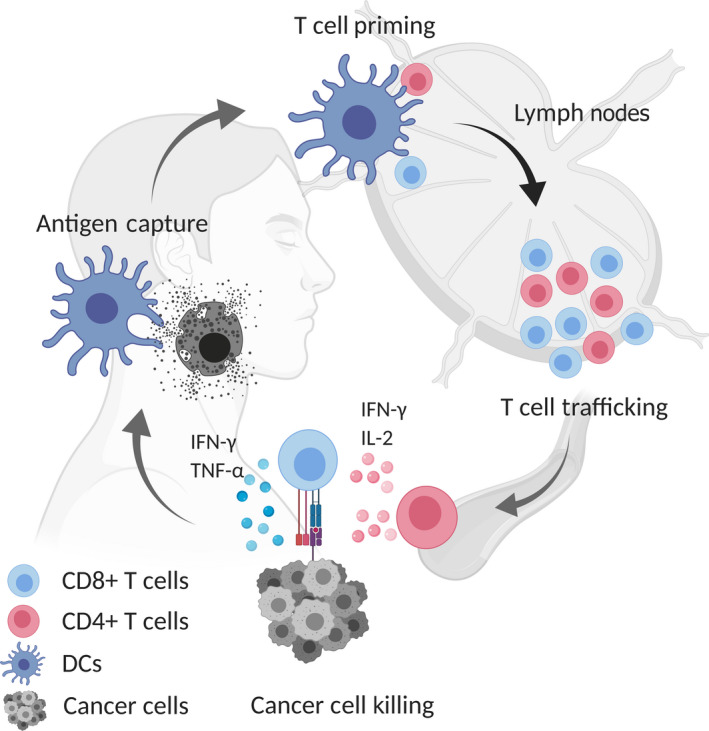
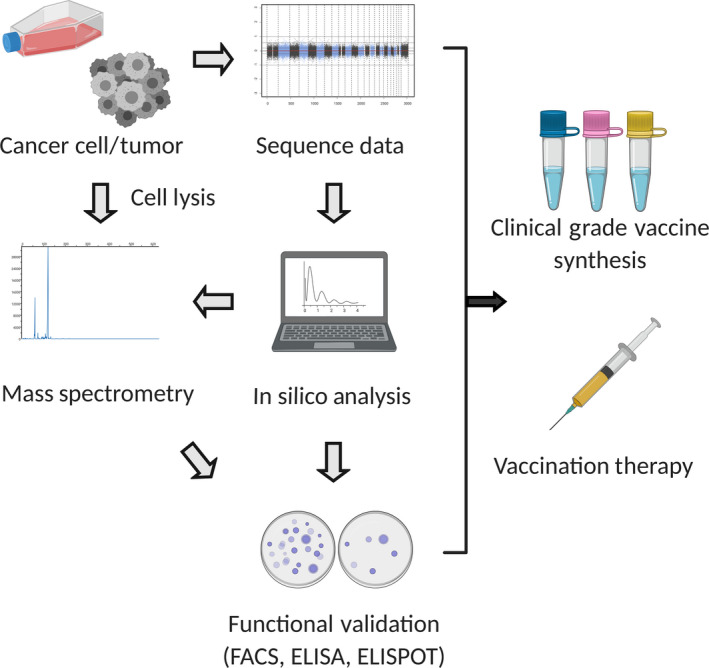
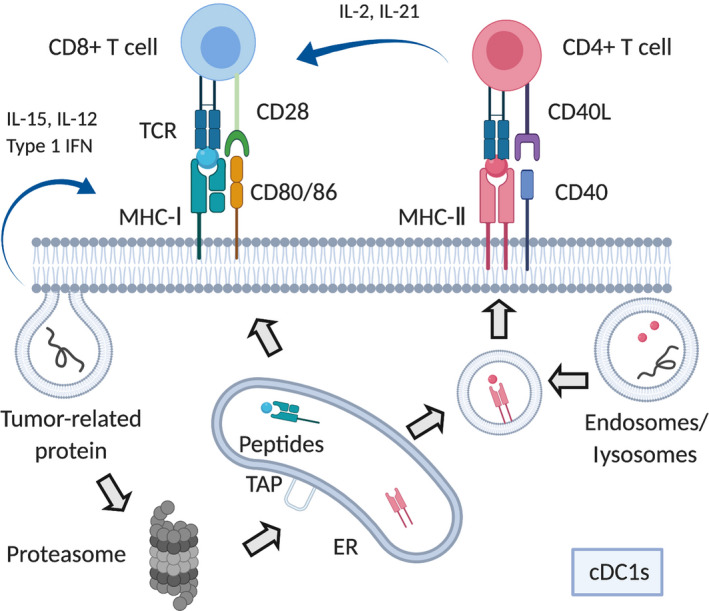
Cancer is characterized by an accumulation of somatic mutations that represent a source of neoantigens for targeting by antigen-specific T cells. Head and neck squamous cell carcinoma (HNSCC) has a relatively high mutation burden across all cancer types, and cellular immunity to neoantigens likely plays a key role in HNSCC clinical outcomes. Immune checkpoint inhibitors (CPIs) have brought new treatment options and hopes to patients with recurrent and/or metastatic HNSCC. However, many patients do not benefit from CPI therapies, highlighting the need for novel immunotherapy or combinatorial strategies. One such approach is personalized cancer vaccination targeting tumor-associated antigens and tumor-specific antigens, either as single agents or in combination with other therapies. Recent advances in next-generation genomic sequencing technologies and computational algorithms have enabled efficient identification of somatic mutation-derived neoantigens and are anticipated to facilitate the development of cancer vaccine strategies. Here, we review cancer vaccine approaches against HNSCC, including fundamental mechanisms of a cancer vaccine, considerations for selecting appropriate antigens, and combination therapies.
癌症的特征是体细胞突变的积累,这些突变代表了抗原特异性 T 细胞靶向的新抗原来源。头颈部鳞状细胞癌(HNSCC)在所有癌症类型中都具有相对较高的突变负担,针对新抗原的细胞免疫可能在 HNSCC 的临床结果中发挥关键作用。免疫检查点抑制剂(CPI)为复发性和/或转移性 HNSCC 患者带来了新的治疗选择和希望。然而,许多患者并未从 CPI 治疗中获益,这凸显了对新型免疫疗法或联合策略的需求。一种这样的方法是针对肿瘤相关抗原和肿瘤特异性抗原的个性化癌症疫苗接种,无论是作为单一药物还是与其他疗法联合使用。下一代基因组测序技术和计算算法的最新进展使得能够有效地鉴定体细胞突变衍生的新抗原,并有望促进癌症疫苗策略的发展。在这里,我们综述了针对 HNSCC 的癌症疫苗方法,包括癌症疫苗的基本机制、选择合适抗原的考虑因素以及联合治疗。