Plastic & Reconstructive Surgery Department, Addenbrooke's Hospital, Cambridge University Hospitals NHS Foundation Trust, Cambridge, UK.
Division of Trauma and Orthopaedics, Department of Surgery, Addenbrooke's Hospital, University of Cambridge, Cambridge, UK.
Cell Tissue Res. 2021 Mar;383(3):915-930. doi: 10.1007/s00441-020-03361-z. Epub 2021 Jan 2.
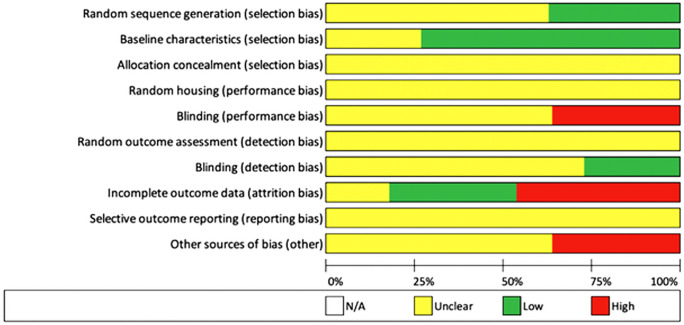
Scars are the normal outcome of wound repair and involve a co-ordinated inflammatory and fibrotic process. When a scar does not resolve, uncontrolled chronic inflammation can persist and elicits excessive scarring that leads to a range of abnormal phenotypes such as hypertrophic and keloid scars. These pathologies result in significant impairment of quality of life over a long period of time. Existing treatment options are generally unsatisfactory, and there is mounting interest in innovative cell-based therapies. Despite the interest in mesenchymal stem cells (MSCs), there is yet to be a human clinical trial that investigates the potential of MSCs in treating abnormal scarring. A synthesis of existing evidence of animal studies may therefore provide insight into the barriers to human application. The aim of this PRISMA systematic review was to evaluate the effectiveness of MSC transplantation in the treatment of hypertrophic and keloid scars in in vivo models. A total of 11 case-control studies were identified that treated a total of 156 subjects with MSCs or MSC-conditioned media. Ten studies assessed hypertrophic scars, and one looked at keloid scars. All studies evaluated scars in terms of macroscopic and histological appearances and most incorporated immunohistochemistry. The included studies all found improvements in the above outcomes with MSC or MSC-conditioned media without complications. The studies reviewed support a role for MSC therapy in treating scars that needs further exploration. The transferability of these findings to humans is limited by factors such as the reliability and validity of the disease model, the need to identify the optimal MSC cell source, and the outcome measures employed.
疤痕是伤口修复的正常结果,涉及到一个协调的炎症和纤维化过程。当疤痕无法解决时,不受控制的慢性炎症可能会持续存在,并引发过度的疤痕形成,导致一系列异常表型,如增生性疤痕和瘢痕疙瘩。这些病理状况会导致长期的生活质量显著受损。现有的治疗选择通常并不令人满意,因此人们对创新的基于细胞的治疗方法越来越感兴趣。尽管人们对间充质干细胞(MSCs)很感兴趣,但目前还没有一项人类临床试验研究 MSCs 治疗异常疤痕的潜力。因此,对动物研究现有证据的综合分析可能有助于了解其在人类应用中的障碍。本 PRISMA 系统评价的目的是评估 MSC 移植治疗体内模型中增生性和瘢痕疙瘩的有效性。共确定了 11 项病例对照研究,这些研究共治疗了 156 名接受 MSC 或 MSC 条件培养基治疗的患者。其中 10 项研究评估了增生性疤痕,1 项研究评估了瘢痕疙瘩。所有研究都从宏观和组织学外观评估了疤痕,并且大多数研究都进行了免疫组织化学分析。纳入的研究都发现 MSC 或 MSC 条件培养基治疗疤痕可以改善上述结果,且无并发症。这些研究结果支持 MSC 治疗在治疗疤痕方面的作用,需要进一步探索。这些发现对人类的可转移性受到多种因素的限制,例如疾病模型的可靠性和有效性、确定最佳 MSC 细胞来源的必要性以及所采用的结果测量方法。