School of Life and Medical Sciences, University of Hertfordshire, Hatfield, UK.
Medicines Control Authority of Zimbabwe, Harare, Zimbabwe.
Ther Innov Regul Sci. 2021 May;55(3):474-489. doi: 10.1007/s43441-020-00242-z. Epub 2021 Jan 2.
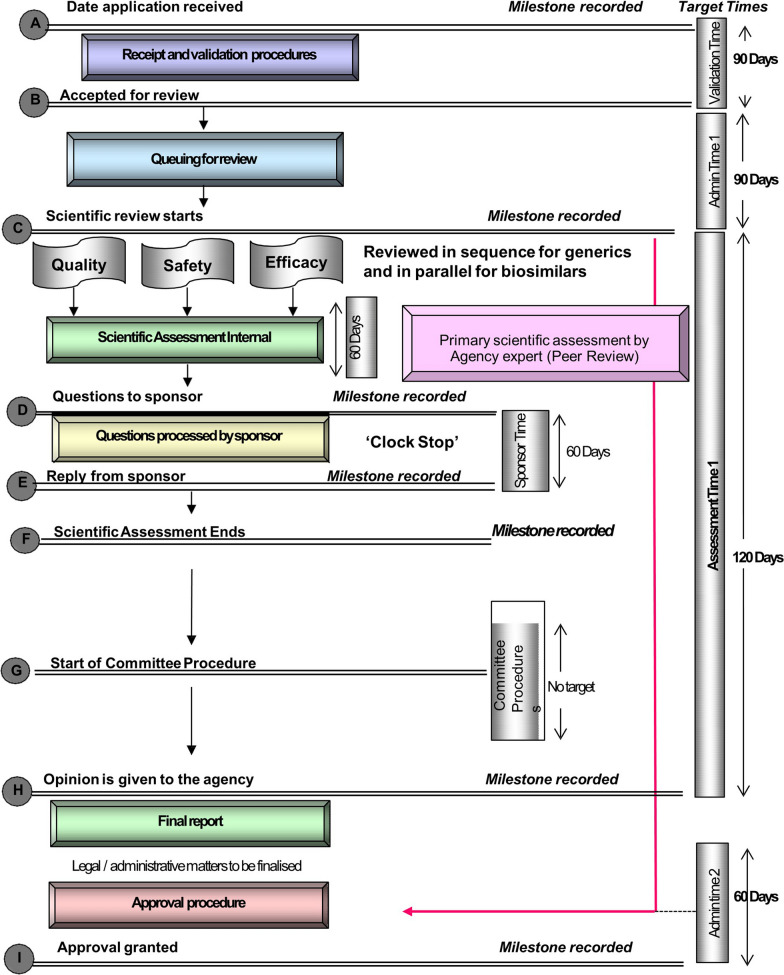
The aims of this study were to assess the current regulatory review process of the Medicines Control Authority of Zimbabwe (MCAZ), identify key milestones and target timelines, evaluate the overall performance from 2017 to 2019, identify good review practices, evaluate the quality of decision-making processes, and identify the challenges and opportunities for improvement.
A questionnaire was completed by the MCAZ. The agency has participated in the Optimising Efficiencies in Regulatory Agencies (OpERA) program, a multinational endeavor to characterize assessment procedures and metrics associated with regulatory agencies and regional regulatory initiatives. Data identifying the milestones and overall approval times for all products registered MCAZ from 2017 to 2019 were collected and analyzed.
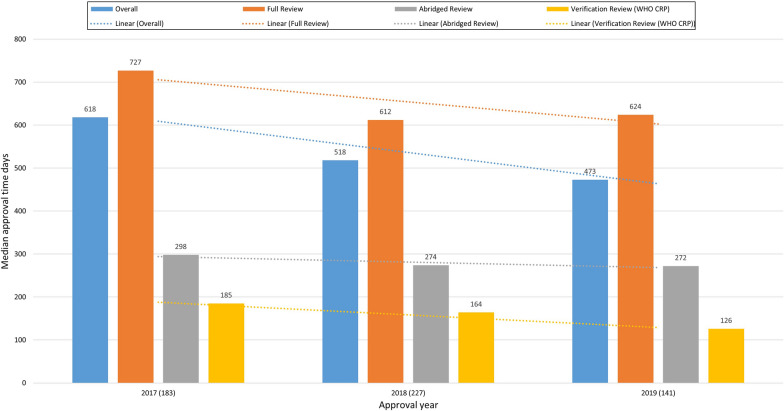
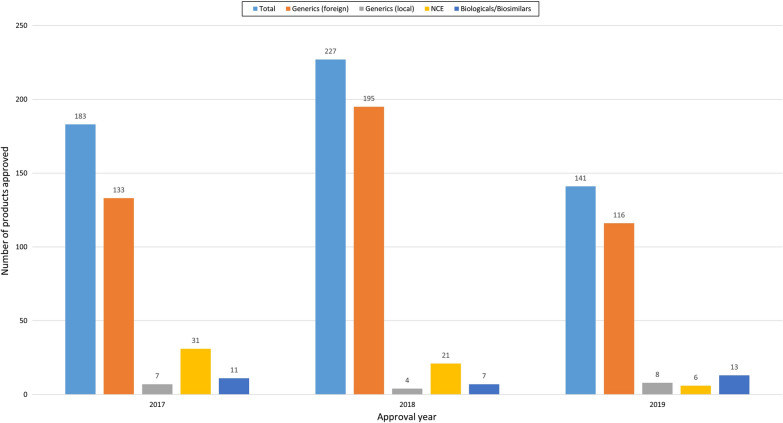
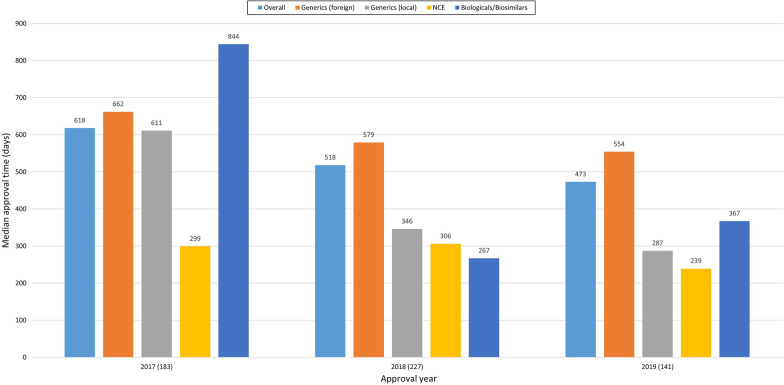
The MCAZ conducts a full review of quality, safety, and efficacy data for generics and biosimilars not approved by a reference agency, an abridged review for products approved by a reference agency and a verification review for World Health Organization prequalified products under the collaborative registration procedure. The highest number of reviewed products is generics manufactured by foreign companies. There has been an improvement in review times for all categories of products over the three-year period. Guidelines, standard operating procedures, and review templates are in place and the majority of indicators for good review practices are implemented. Although quality decision-making practices are implemented, there is no formal framework in place.
The MCAZ successfully implements three types of review models in line with international standards. Overall, target timelines are realistic and what is achievable with the current available resources. Recommendations made such as the review of available human resources, separation of agency and company time when setting and measuring targets, review of the templates and benefit-risk framework used for abridged review, and development of a decision-making framework present opportunities for an enhanced regulatory review process.
本研究旨在评估津巴布韦药品管制管理局(MCAZ)当前的监管审查流程,确定关键里程碑和目标时间,评估 2017 年至 2019 年的整体绩效,确定良好的审查实践,评估决策过程的质量,并确定改进的挑战和机会。
MCAZ 完成了一份问卷。该机构参与了优化监管机构效率(OpERA)计划,这是一项跨国努力,旨在描述与监管机构和区域监管倡议相关的评估程序和指标。收集并分析了 2017 年至 2019 年在 MCAZ 注册的所有产品的里程碑和总体批准时间的数据。
MCAZ 对未获得参考机构批准的仿制药和生物类似药进行全面的质量、安全性和疗效数据审查,对获得参考机构批准的产品进行简化审查,对世界卫生组织协作注册程序下的资格预审产品进行验证审查。审查的产品中数量最多的是外国公司生产的仿制药。在三年期间,所有产品类别的审查时间都有所提高。指南、标准操作程序和审查模板已经到位,并且实施了大多数良好审查实践的指标。虽然实施了质量决策实践,但尚未建立正式框架。
MCAZ 成功地实施了符合国际标准的三种审查模式。总体而言,目标时间是现实的,并且是在当前可用资源的基础上可以实现的。提出的建议,如审查现有人力资源、在设定和衡量目标时分离机构和公司时间、审查用于简化审查的模板和风险效益框架、以及制定决策框架,为加强监管审查过程提供了机会。