Xu Yi, Kang Lu, Shen Zijie, Li Xufang, Wu Weili, Ma Wentai, Fang Chunxiao, Yang Fengxia, Jiang Xuan, Gong Sitang, Zhang Li, Li Mingkun
Department of Pediatrics, Guangzhou Women and Children's Medical Center, Guangzhou Medical University, Guangzhou, China.
Key Laboratory of Genomic and Precision Medicine, Beijing Institute of Genomics, Chinese Academy of Sciences, China National Center for Bioinformation, Beijing, 101300, China; University of Chinese Academy of Sciences, Beijing, 100049, China.
J Genet Genomics. 2020 Oct 20;47(10):610-617. doi: 10.1016/j.jgg.2020.10.002. Epub 2020 Nov 8.
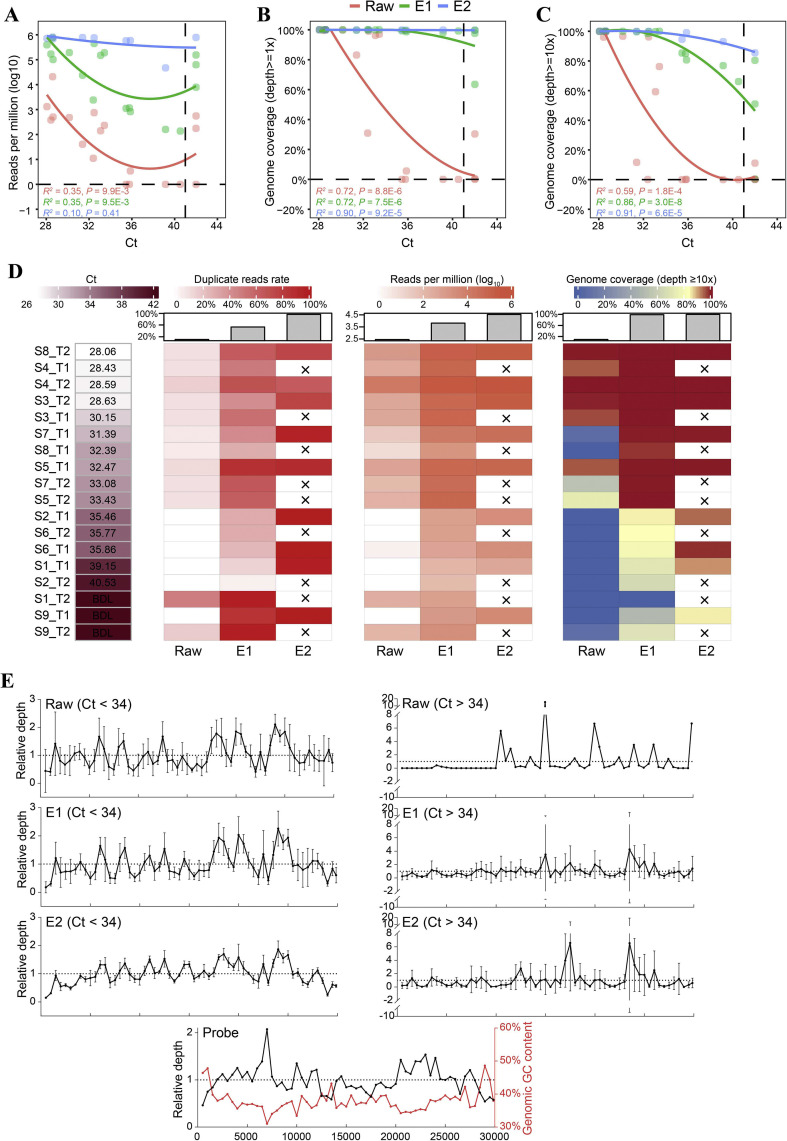
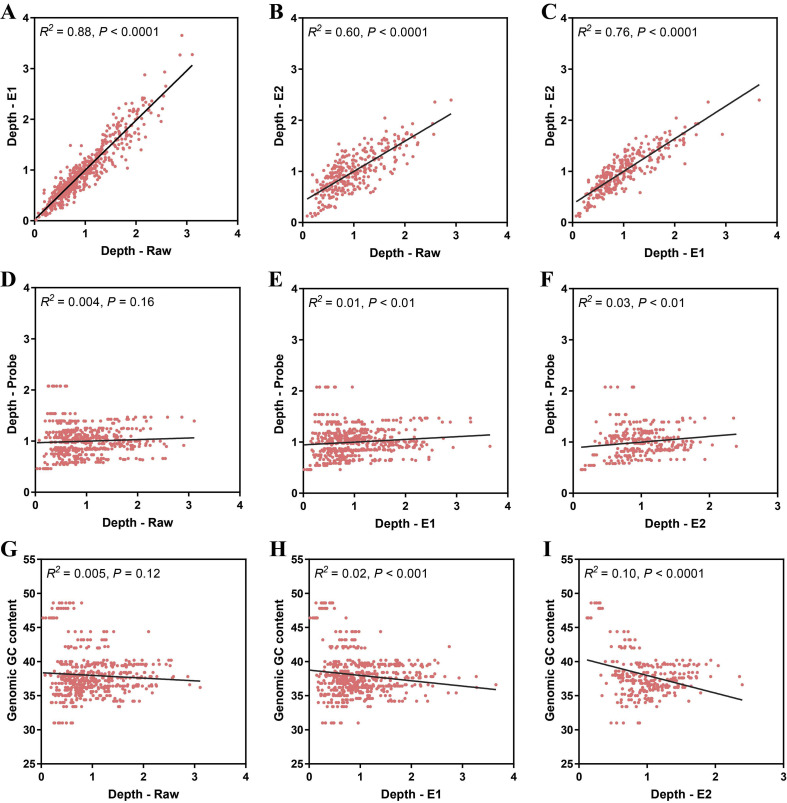
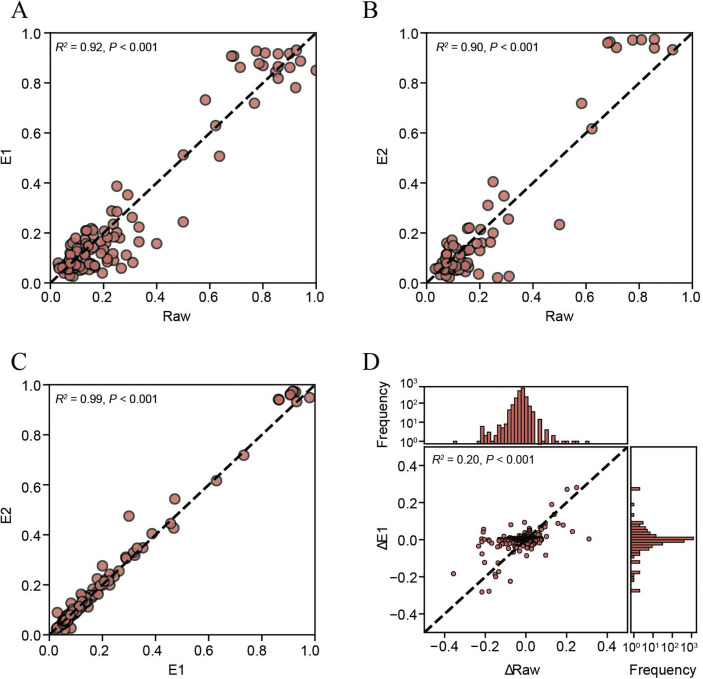
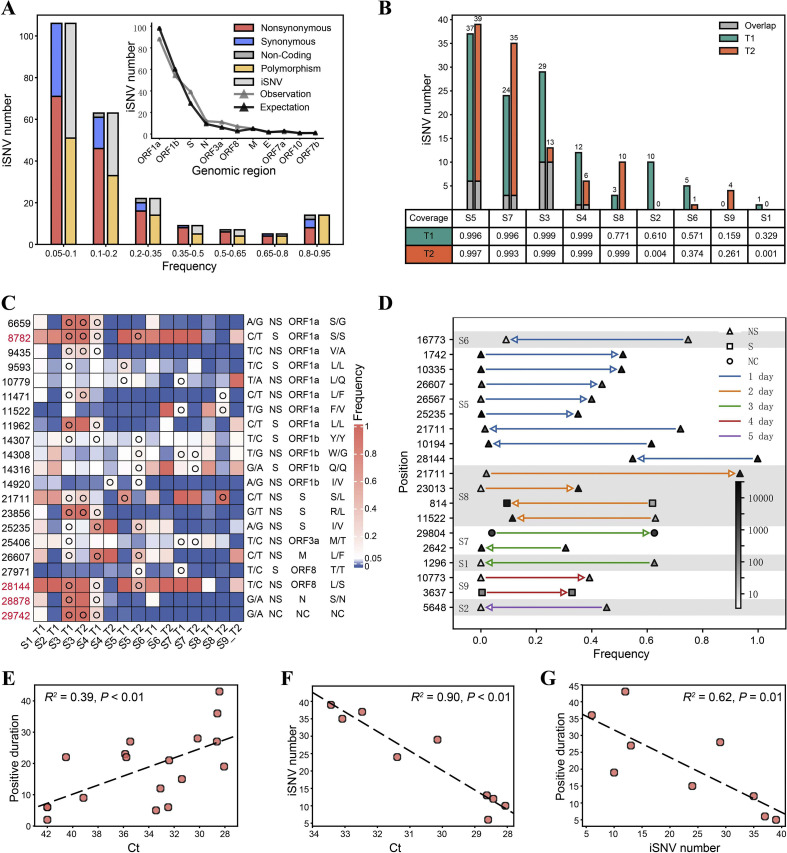
In response to the current coronavirus disease 2019 (COVID-19) pandemic, it is crucial to understand the origin, transmission, and evolution of severe acute respiratory syndrome coronavirus 2 (SARS-CoV-2), which relies on close surveillance of genomic diversity in clinical samples. Although the mutation at the population level had been extensively investigated, how the mutations evolve at the individual level is largely unknown. Eighteen time-series fecal samples were collected from nine patients with COVID-19 during the convalescent phase. The nucleic acids of SARS-CoV-2 were enriched by the hybrid capture method. First, we demonstrated the outstanding performance of the hybrid capture method in detecting intra-host variants. We identified 229 intra-host variants at 182 sites in 18 fecal samples. Among them, nineteen variants presented frequency changes > 0.3 within 1-5 days, reflecting highly dynamic intra-host viral populations. Moreover, the evolution of the viral genome demonstrated that the virus was probably viable in the gastrointestinal tract during the convalescent period. Meanwhile, we also found that the same mutation showed a distinct pattern of frequency changes in different individuals, indicating a strong random drift. In summary, dramatic changes of the SARS-CoV-2 genome were detected in fecal samples during the convalescent period; whether the viral load in feces is sufficient to establish an infection warranted further investigation.
针对当前的2019冠状病毒病(COVID-19)大流行,了解严重急性呼吸综合征冠状病毒2(SARS-CoV-2)的起源、传播和进化至关重要,这依赖于对临床样本中基因组多样性的密切监测。尽管在群体水平上的突变已得到广泛研究,但突变在个体水平上如何进化在很大程度上仍不清楚。在恢复期从9例COVID-19患者中收集了18份时间序列粪便样本。采用杂交捕获法富集SARS-CoV-2核酸。首先,我们证明了杂交捕获法在检测宿主内变异方面的出色表现。我们在18份粪便样本的182个位点鉴定出229个宿主内变异。其中,19个变异在1-5天内频率变化>0.3,反映出宿主内病毒群体高度动态变化。此外,病毒基因组的进化表明该病毒在恢复期可能在胃肠道中存活。同时,我们还发现相同的突变在不同个体中呈现出不同的频率变化模式,表明存在强烈的随机漂变。总之,在恢复期的粪便样本中检测到SARS-CoV-2基因组发生了显著变化;粪便中的病毒载量是否足以引发感染值得进一步研究。