Tu Kai-Hong, Yu Ling-Shan, Sie Zong-Han, Hsu Han-Yi, Al-Jamal Khuloud T, Wang Julie Tzu-Wen, Chiang Ya-Yu
Department of Mechanical Engineering, National Chung Hsing University, Taichung 402701, Taiwan.
Rapid Screening Research Center for Toxicology and Biomedicine, National Sun Yat-sen University, Kaohsiung 813016, Taiwan.
Micromachines (Basel). 2020 Dec 30;12(1):37. doi: 10.3390/mi12010037.
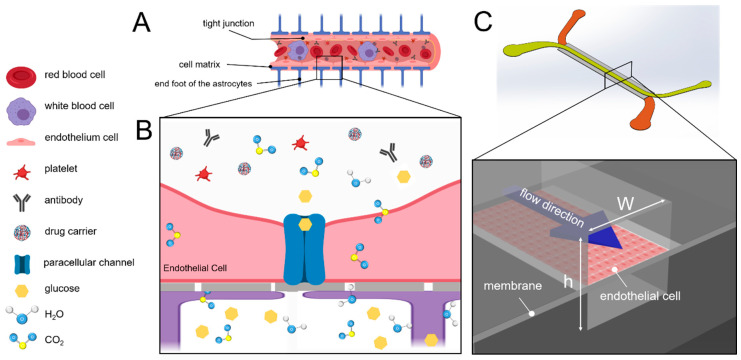
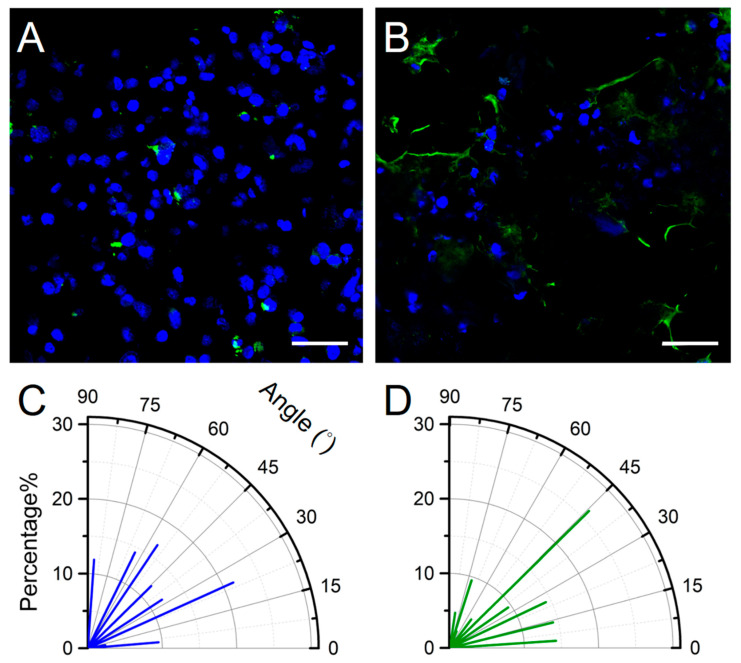
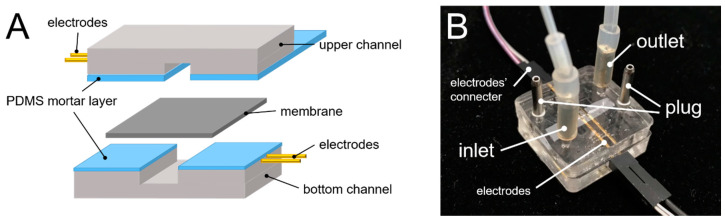
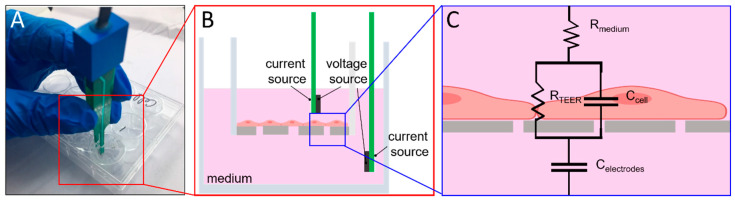
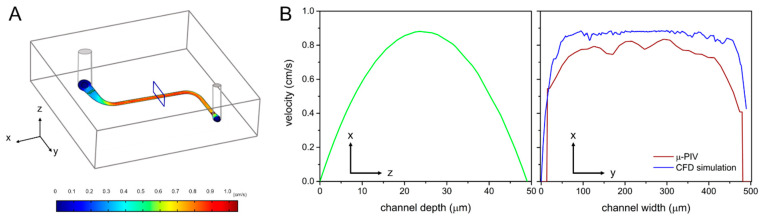
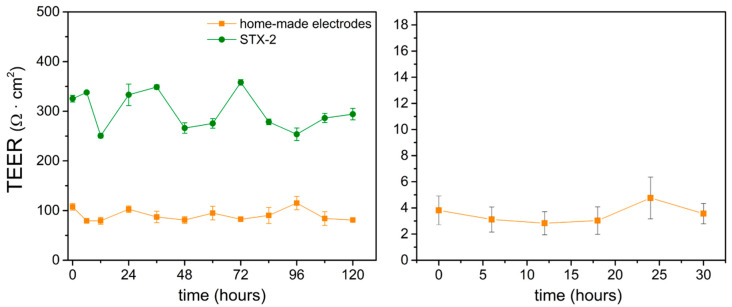
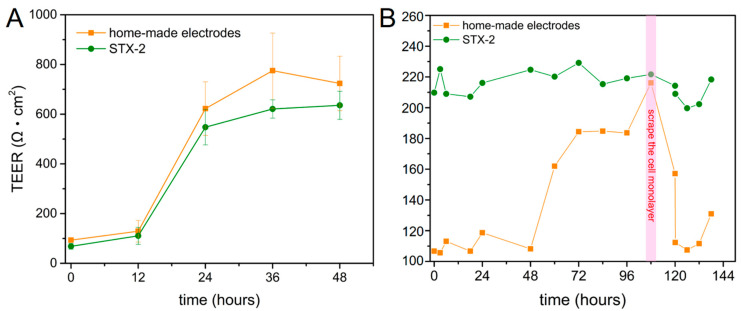
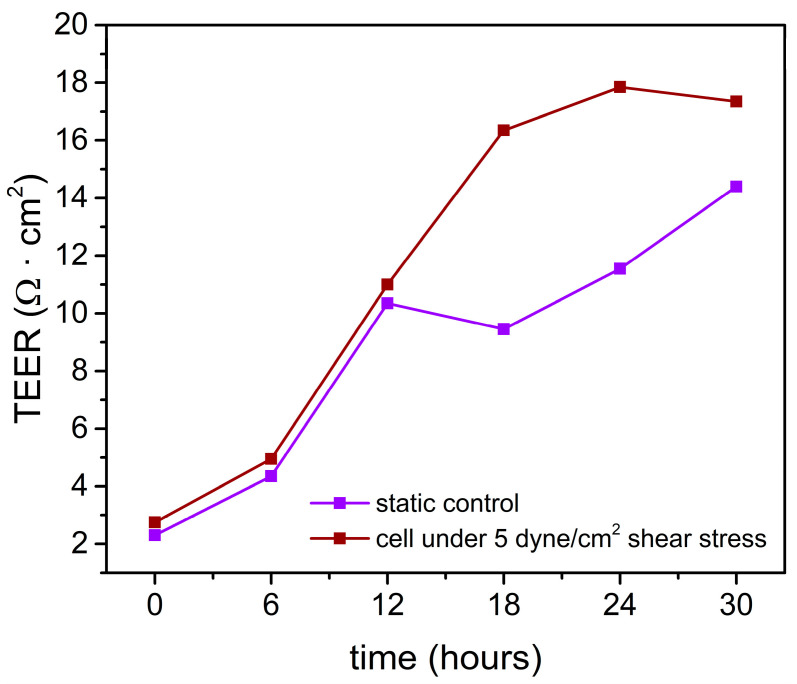
Three-dimensional (3D) cell cultures and organs-on-a-chip have been developed to construct microenvironments that resemble the environment within the human body and to provide a platform that enables clear observation and accurate assessments of cell behavior. However, direct observation of transendothelial electrical resistance (TEER) has been challenging. To improve the efficiency in monitoring the cell development in organs-on-a-chip, in this study, we designed and integrated commercially available TEER measurement electrodes into an in vitro blood-brain barrier (BBB)-on-chip system to quantify TEER variation. Moreover, a flowing culture medium was added to the monolayered cells to simulate the promotion of continuous shear stress on cerebrovascular cells. Compared with static 3D cell culture, the proposed BBB-on-chip integrated with electrodes could measure TEER in a real-time manner over a long period. It also allowed cell growth angle measurement, providing instant reports of cell growth information online. Overall, the results demonstrated that the developed system can aid in the quantification of the continuous cell-pattern variations for future studies in drug testing.
三维(3D)细胞培养和芯片器官已被开发出来,用于构建类似于人体内部环境的微环境,并提供一个能够清晰观察和准确评估细胞行为的平台。然而,直接观察跨内皮电阻(TEER)一直具有挑战性。为了提高监测芯片器官中细胞发育的效率,在本研究中,我们将市售的TEER测量电极设计并集成到体外血脑屏障(BBB)芯片系统中,以量化TEER变化。此外,向单层细胞中添加流动的培养基,以模拟对脑血管细胞持续剪切应力的促进作用。与静态3D细胞培养相比,所提出的集成电极的BBB芯片能够长时间实时测量TEER。它还允许测量细胞生长角度,在线即时报告细胞生长信息。总体而言,结果表明,所开发的系统有助于量化连续的细胞模式变化,用于未来的药物测试研究。