Konishi Colin T, Long Chengzu
Leon H. Charney Division of Cardiology, New York University Grossman School of Medicine, New York, NY 10016, USA.
Helen and Martin Kimmel Center for Stem Cell Biology, New York University Grossman School of Medicine, New York, NY 10016, USA.
J Biomed Res. 2020 Nov 27;35(2):148-162. doi: 10.7555/JBR.34.20200105.
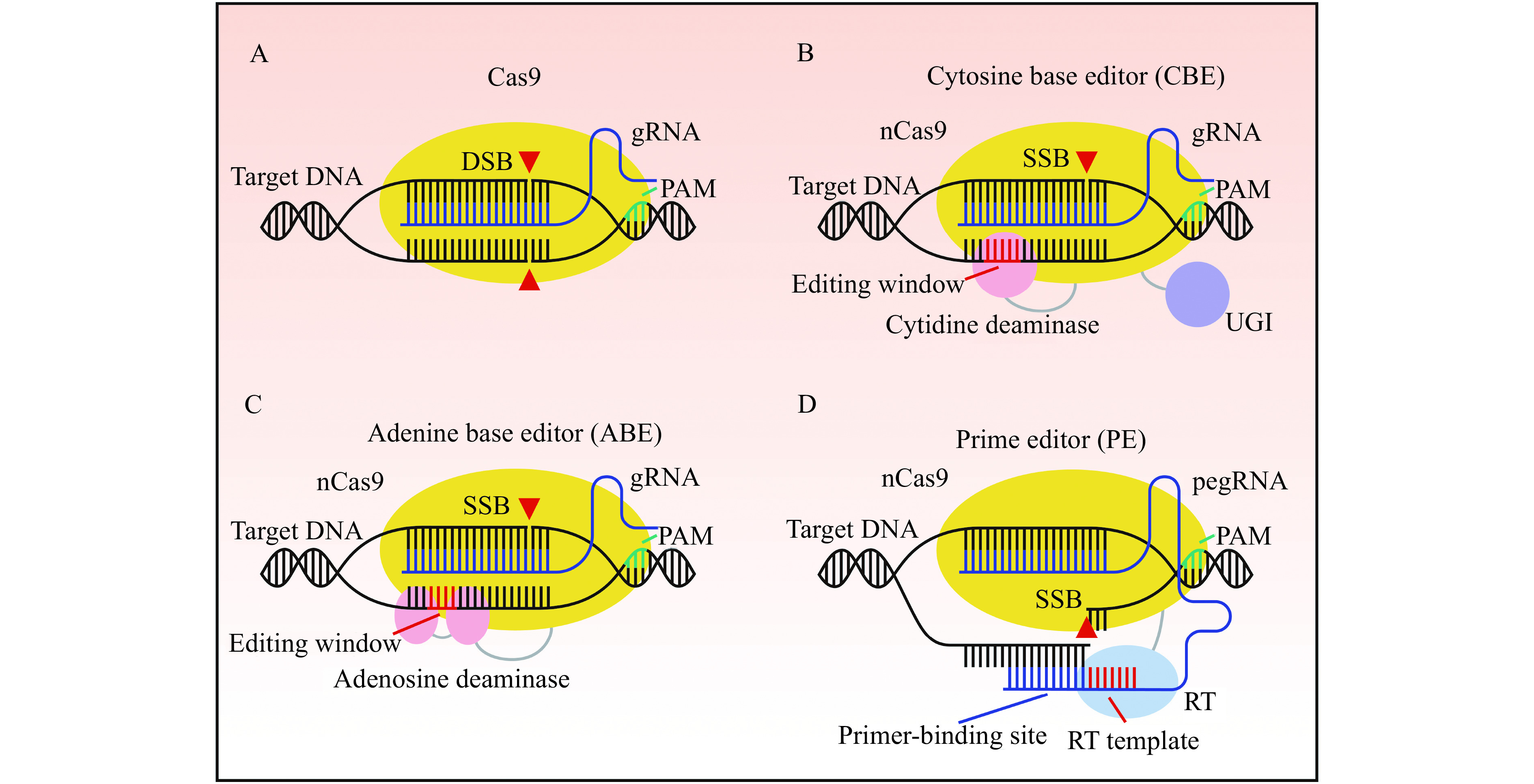
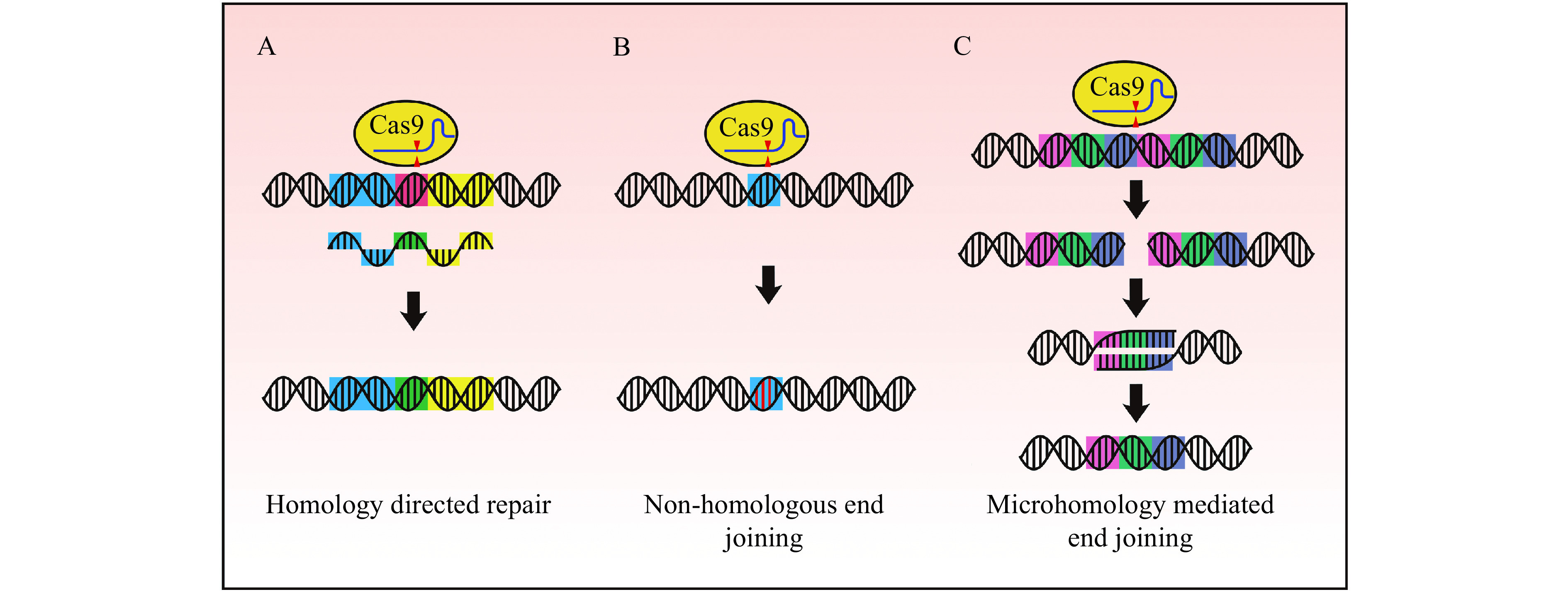
There are an estimated 10 000 monogenic diseases affecting tens of millions of individuals worldwide. The application of CRISPR/Cas genome editing tools to treat monogenic diseases is an emerging strategy with the potential to generate personalized treatment approaches for these patients. CRISPR/Cas-based systems are programmable and sequence-specific genome editing tools with the capacity to generate base pair resolution manipulations to DNA or RNA. The complexity of genomic insults resulting in heritable disease requires patient-specific genome editing strategies with consideration of DNA repair pathways, and CRISPR/Cas systems of different types, species, and those with additional enzymatic capacity and/or delivery methods. In this review we aim to discuss broad and multifaceted therapeutic applications of CRISPR/Cas gene editing systems including in harnessing of homology directed repair, non-homologous end joining, microhomology-mediated end joining, and base editing to permanently correct diverse monogenic diseases.
据估计,全球有1万种单基因疾病影响着数千万人。应用CRISPR/Cas基因组编辑工具治疗单基因疾病是一种新兴策略,有可能为这些患者生成个性化的治疗方法。基于CRISPR/Cas的系统是可编程的、序列特异性的基因组编辑工具,能够对DNA或RNA进行碱基对分辨率的操作。导致遗传性疾病的基因组损伤的复杂性需要考虑DNA修复途径以及不同类型、物种、具有额外酶活性和/或递送方法的CRISPR/Cas系统的患者特异性基因组编辑策略。在本综述中,我们旨在讨论CRISPR/Cas基因编辑系统广泛而多方面的治疗应用,包括利用同源定向修复、非同源末端连接、微同源性介导的末端连接和碱基编辑来永久纠正各种单基因疾病。