Computational Structural Biology Section, Frederick National Laboratory for Cancer Research in the Laboratory of Cancer Immunometabolism, National Cancer Institute, Frederick, MD, 21702, USA.
Department of Human Molecular Genetics and Biochemistry, Sackler School of Medicine, Tel Aviv University, Tel Aviv, 69978, Israel.
Signal Transduct Target Ther. 2021 Jan 6;6(1):3. doi: 10.1038/s41392-020-00420-3.
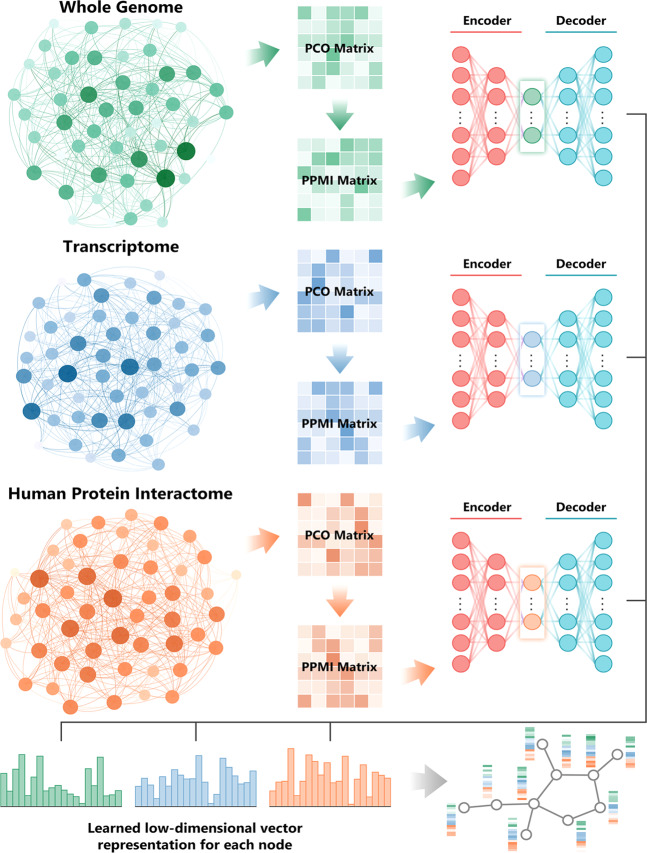
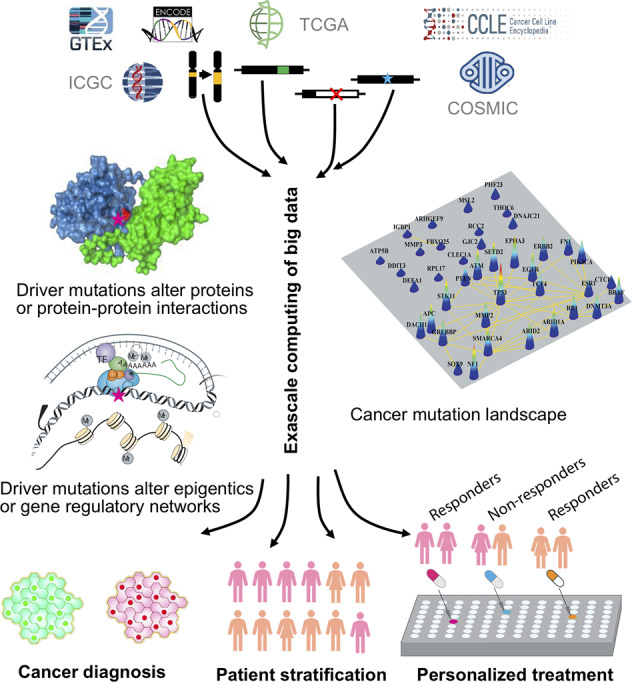
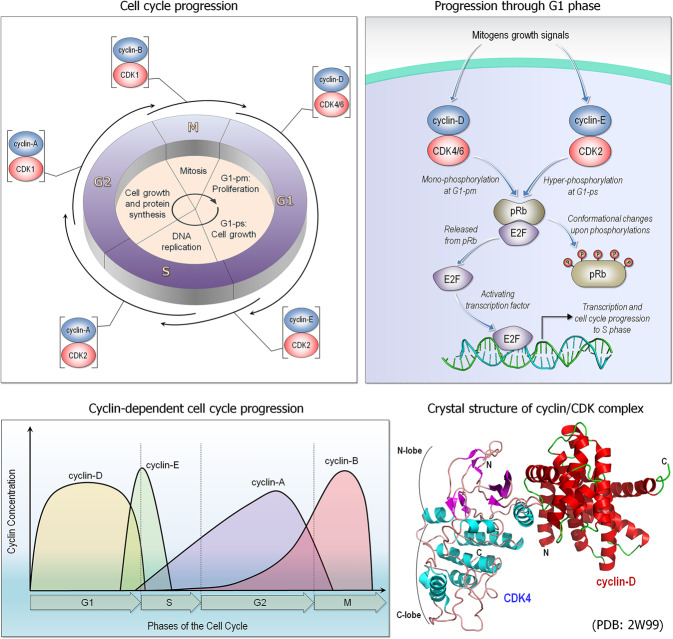
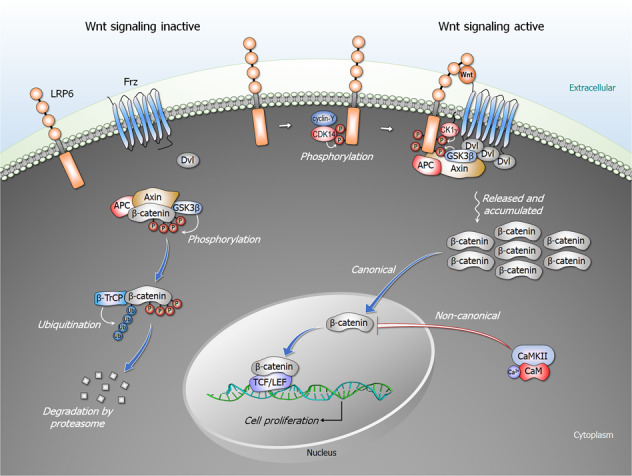
Which signaling pathway and protein to select to mitigate the patient's expected drug resistance? The number of possibilities facing the physician is massive, and the drug combination should fit the patient status. Here, we briefly review current approaches and data and map an innovative patient-specific strategy to forecast drug resistance targets that centers on parallel (or redundant) proliferation pathways in specialized cells. It considers the availability of each protein in each pathway in the specific cell, its activating mutations, and the chromatin accessibility of its encoding gene. The construction of the resulting Proliferation Pathway Network Atlas will harness the emerging exascale computing and advanced artificial intelligence (AI) methods for therapeutic development. Merging the resulting set of targets, pathways, and proteins, with current strategies will augment the choice for the attending physicians to thwart resistance.
应该选择哪种信号通路和蛋白来减轻患者预期的耐药性?面对这种情况,医生有多种可能性需要考虑,药物组合应该符合患者的具体情况。在这里,我们简要回顾了当前的方法和数据,并提出了一种创新的患者特异性策略,以预测耐药性靶点,该策略集中在专门细胞中的平行(或冗余)增殖途径上。该策略考虑了特定细胞中每条途径中每种蛋白的可用性、其激活突变以及其编码基因的染色质可及性。由此产生的增殖途径网络图谱的构建将利用新兴的 exascale 计算和先进的人工智能 (AI) 方法进行治疗开发。将由此产生的目标、途径和蛋白质集与当前的策略相结合,将增加主治医生阻止耐药性的选择。