CRBM, University of Montpellier and CNRS, Montpellier, France.
Department of Biology, McGill University, Montreal, Quebec, Canada.
PLoS Biol. 2021 Jan 6;19(1):e3001060. doi: 10.1371/journal.pbio.3001060. eCollection 2021 Jan.
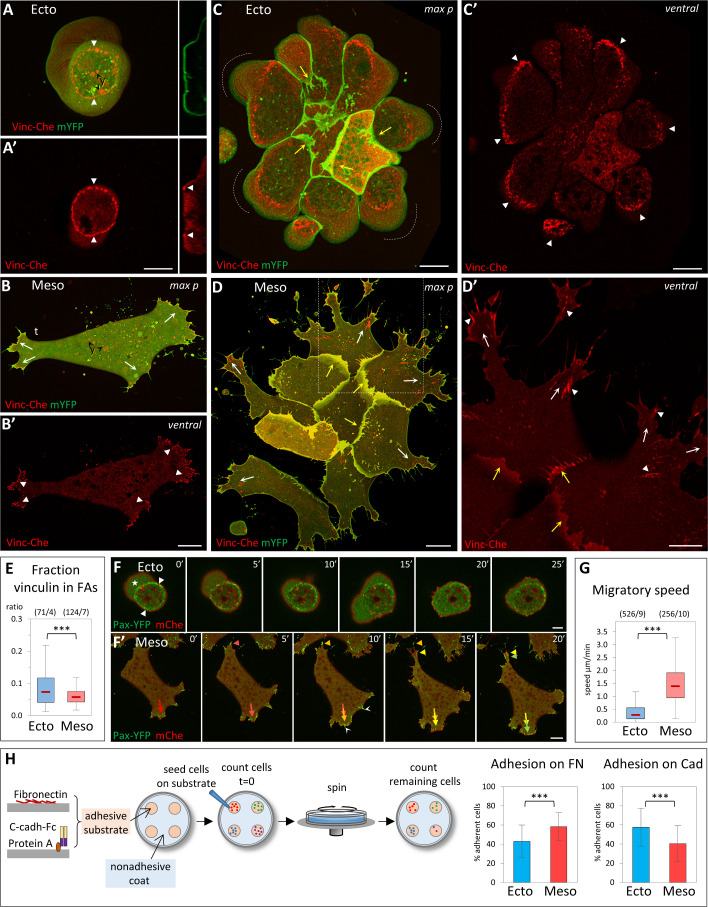
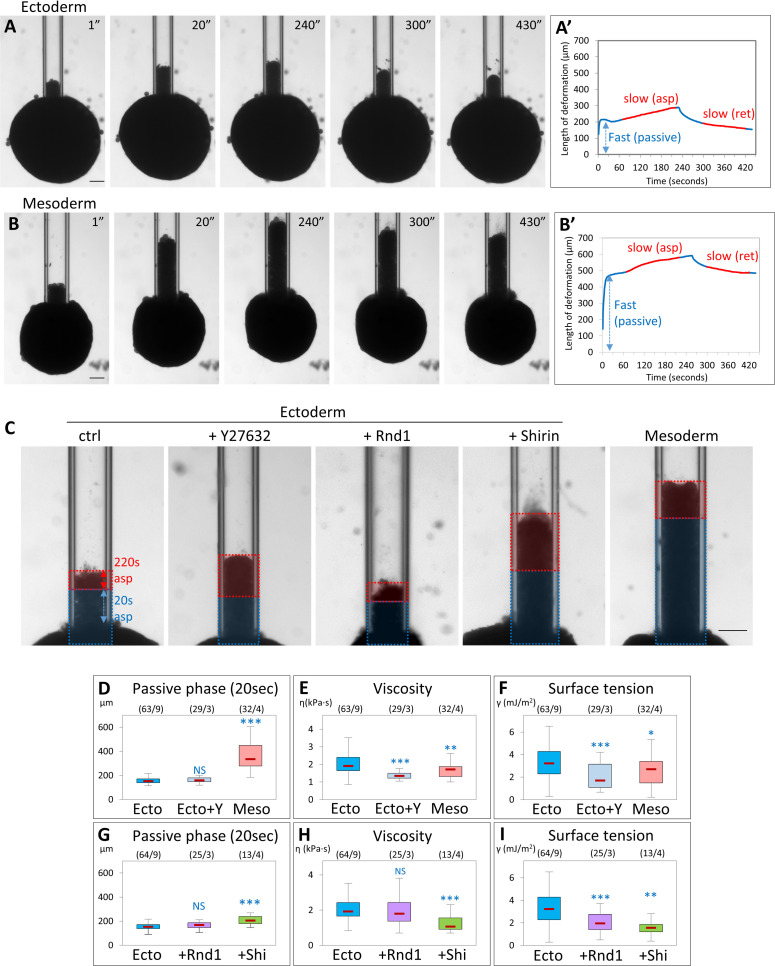
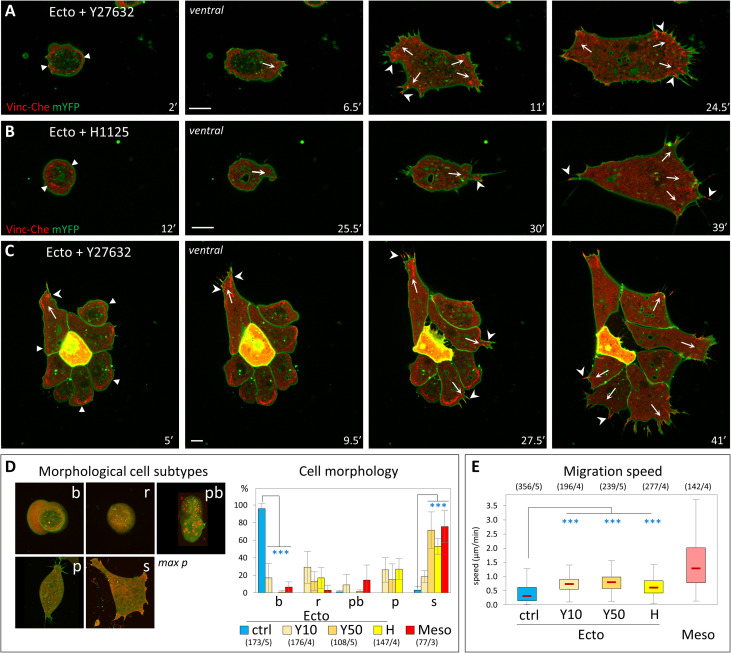
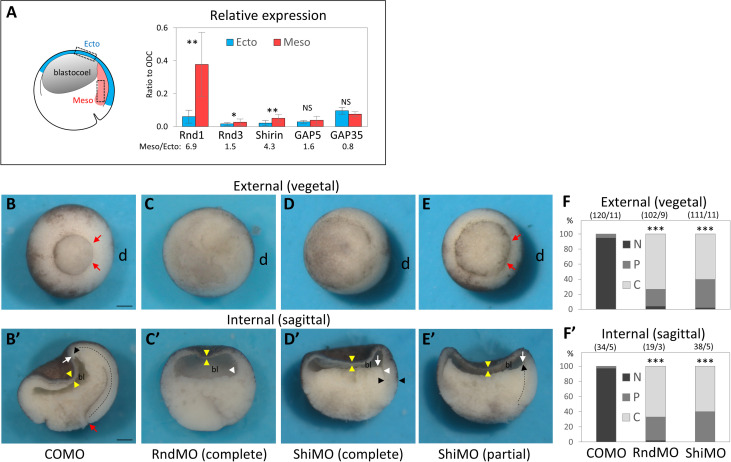
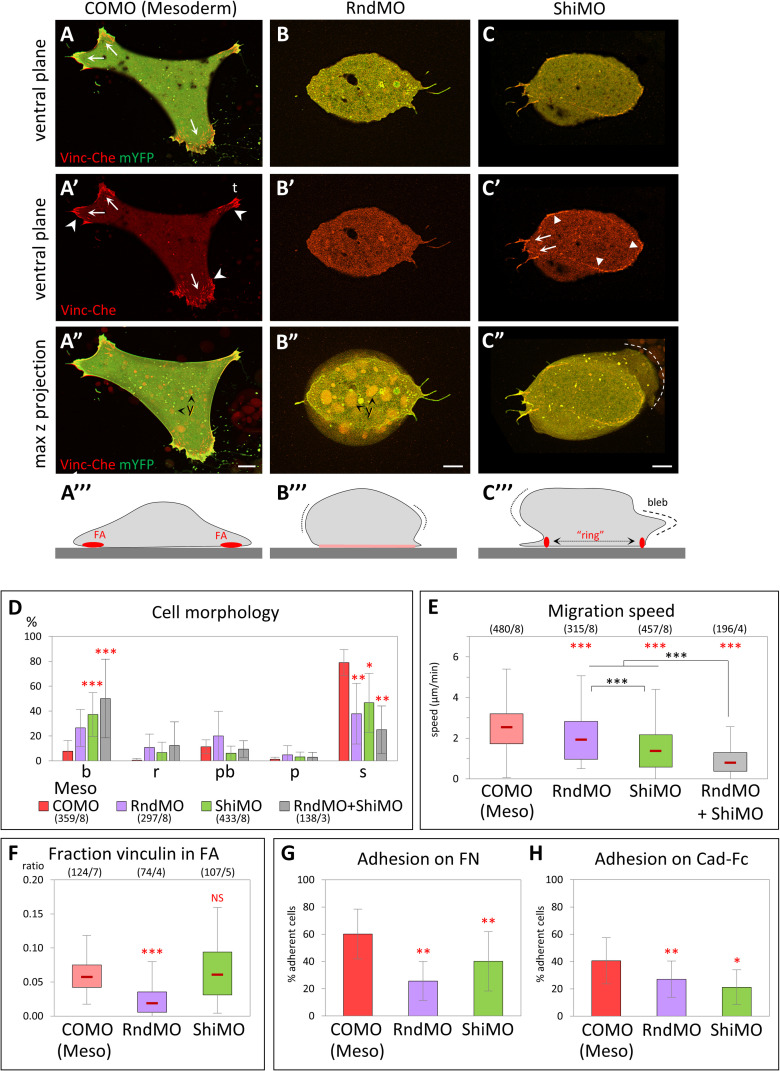
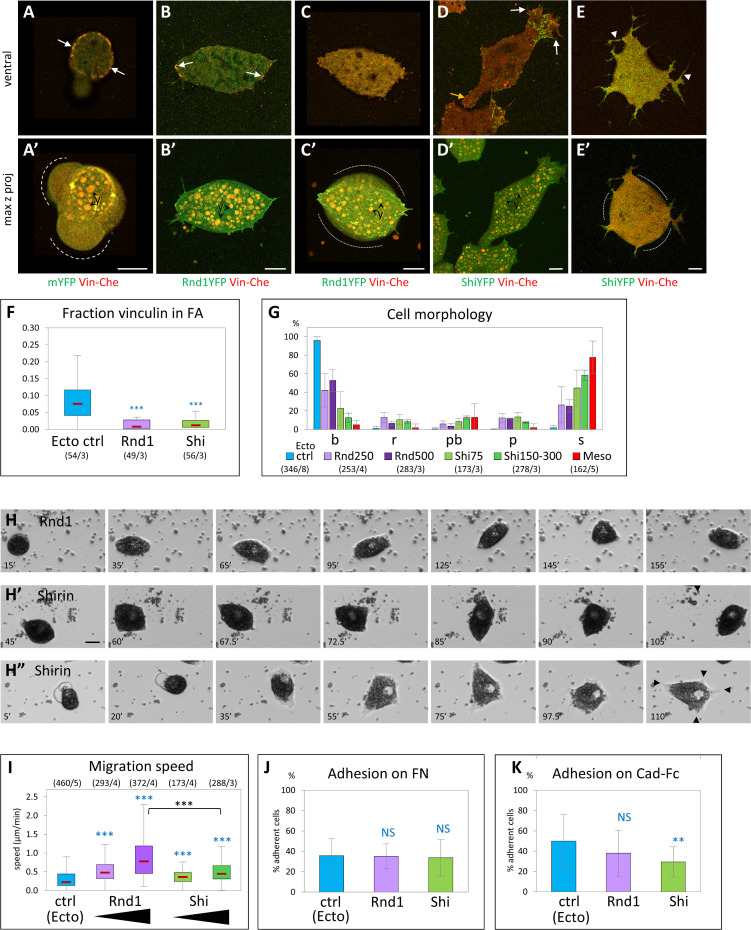
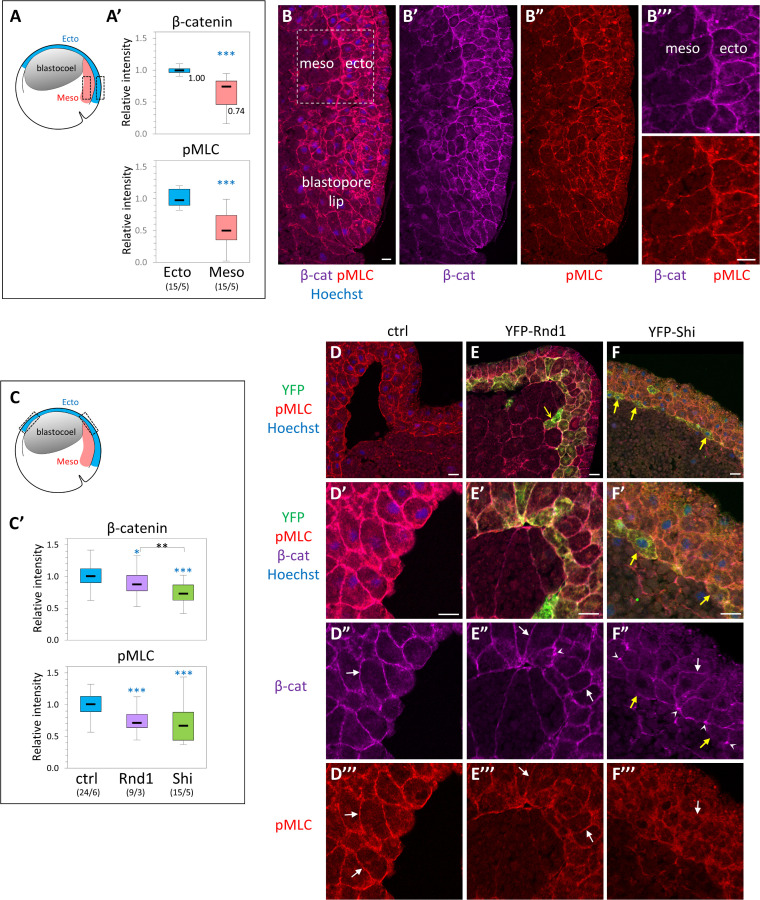
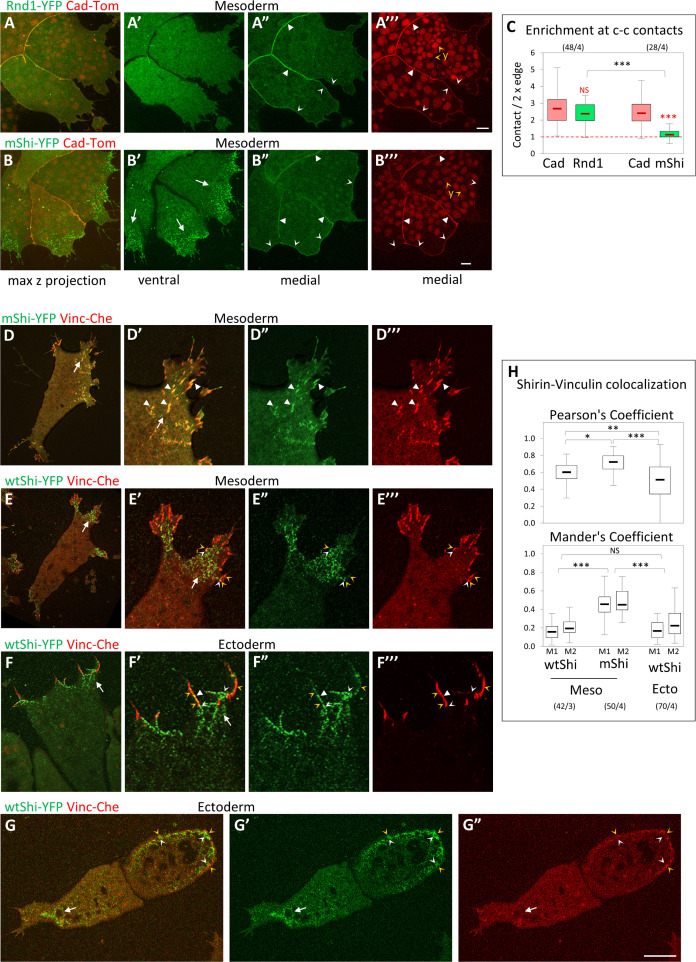
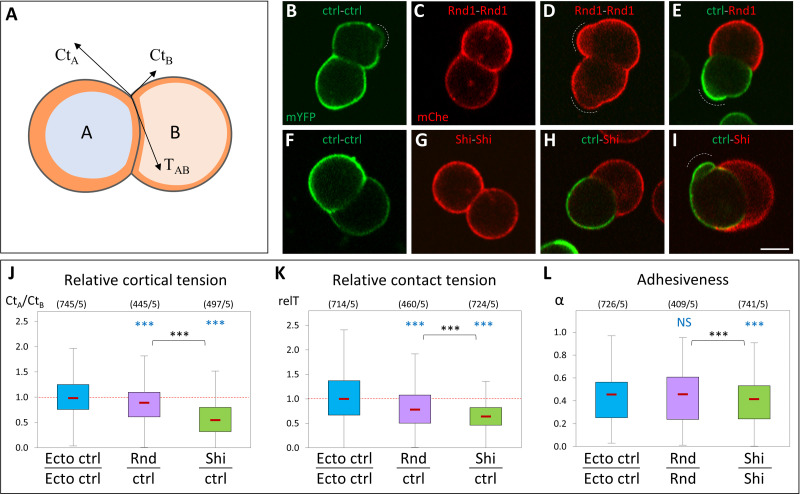
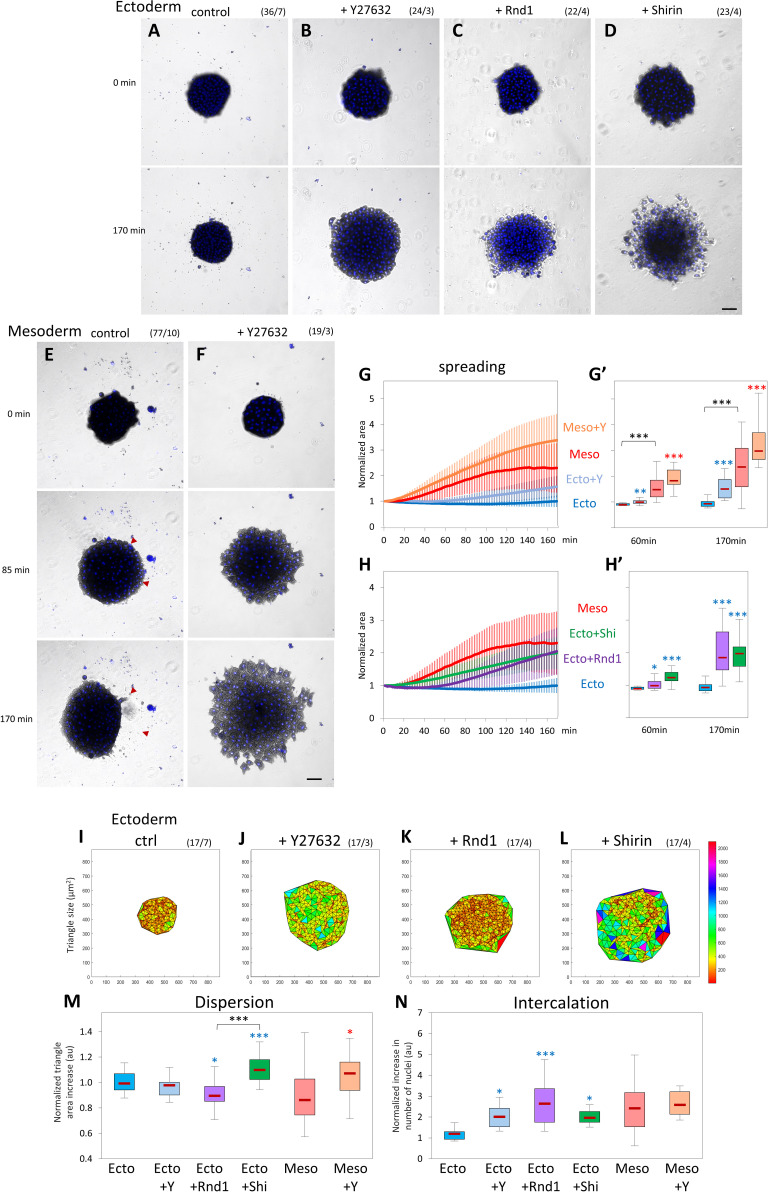
Collective migration of cohesive tissues is a fundamental process in morphogenesis and is particularly well illustrated during gastrulation by the rapid and massive internalization of the mesoderm, which contrasts with the much more modest movements of the ectoderm. In the Xenopus embryo, the differences in morphogenetic capabilities of ectoderm and mesoderm can be connected to the intrinsic motility of individual cells, very low for ectoderm, high for mesoderm. Surprisingly, we find that these seemingly deep differences can be accounted for simply by differences in Rho-kinases (Rock)-dependent actomyosin contractility. We show that Rock inhibition is sufficient to rapidly unleash motility in the ectoderm and confer it with mesoderm-like properties. In the mesoderm, this motility is dependent on two negative regulators of RhoA, the small GTPase Rnd1 and the RhoGAP Shirin/Dlc2/ArhGAP37. Both are absolutely essential for gastrulation. At the cellular and tissue level, the two regulators show overlapping yet distinct functions. They both contribute to decrease cortical tension and confer motility, but Shirin tends to increase tissue fluidity and stimulate dispersion, while Rnd1 tends to favor more compact collective migration. Thus, each is able to contribute to a specific property of the migratory behavior of the mesoderm. We propose that the "ectoderm to mesoderm transition" is a prototypic case of collective migration driven by a down-regulation of cellular tension, without the need for the complex changes traditionally associated with the epithelial-to-mesenchymal transition.
细胞聚集体的迁移是形态发生的基本过程,在原肠胚形成过程中表现得尤为明显,中胚层的快速大量内化与外胚层的相对较小运动形成鲜明对比。在非洲爪蟾胚胎中,外胚层和中胚层的形态发生能力差异可与单个细胞的固有运动性相关联,外胚层的运动性非常低,中胚层的运动性非常高。令人惊讶的是,我们发现这些看似深刻的差异可以简单地归因于 Rho 激酶(Rock)依赖性肌动球蛋白收缩的差异。我们表明,Rock 抑制足以迅速释放外胚层的运动性,并赋予其类似于中胚层的特性。在中胚层中,这种运动性依赖于两种 RhoA 的负调节剂,即小分子 GTP 酶 Rnd1 和 RhoGAP Shirin/Dlc2/ArhGAP37。两者对于原肠胚形成都是绝对必需的。在细胞和组织水平上,这两个调节剂显示出重叠但又不同的功能。它们都有助于降低皮质张力并赋予运动性,但 Shirin 倾向于增加组织流动性并刺激分散,而 Rnd1 倾向于有利于更紧凑的集体迁移。因此,每个调节剂都能够为中胚层迁移行为的特定特性做出贡献。我们提出,“外胚层到中胚层的转变”是由细胞张力下调驱动的集体迁移的原型案例,而无需传统上与上皮细胞到间充质转化相关的复杂变化。