Center for Genomics and Systems Biology, Department of Biology, New York University, New York, New York, USA.
Center for Genomics and Systems Biology, Department of Biology, New York University, New York, New York, USA
mSphere. 2021 Jan 6;6(1):e01061-20. doi: 10.1128/mSphere.01061-20.
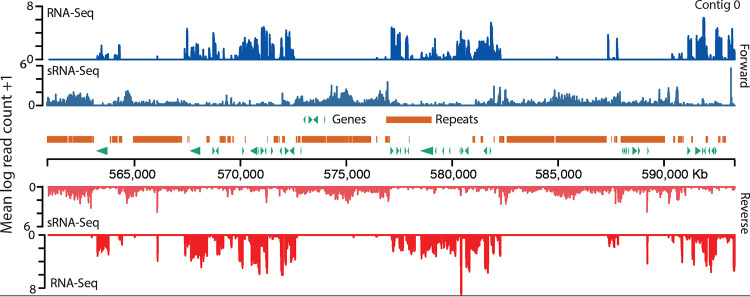
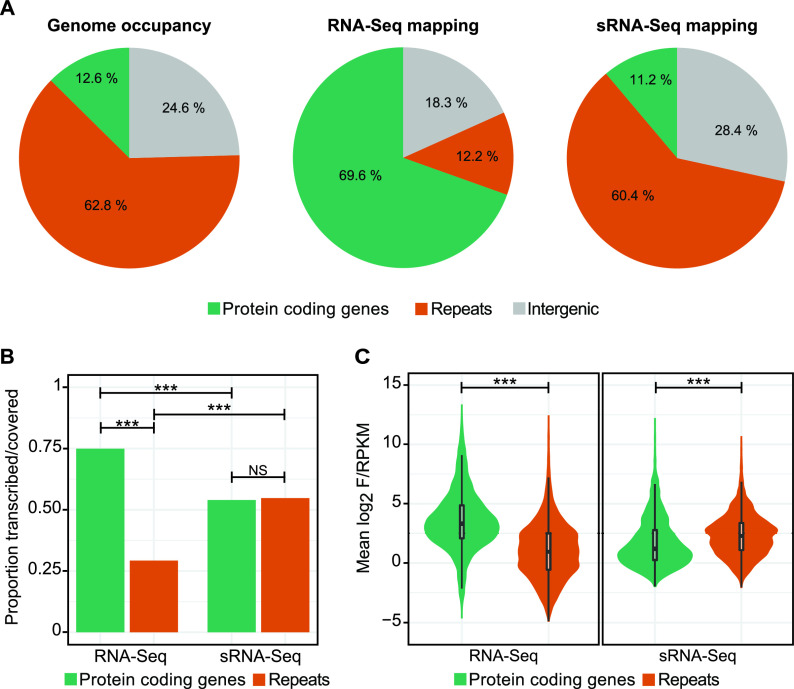
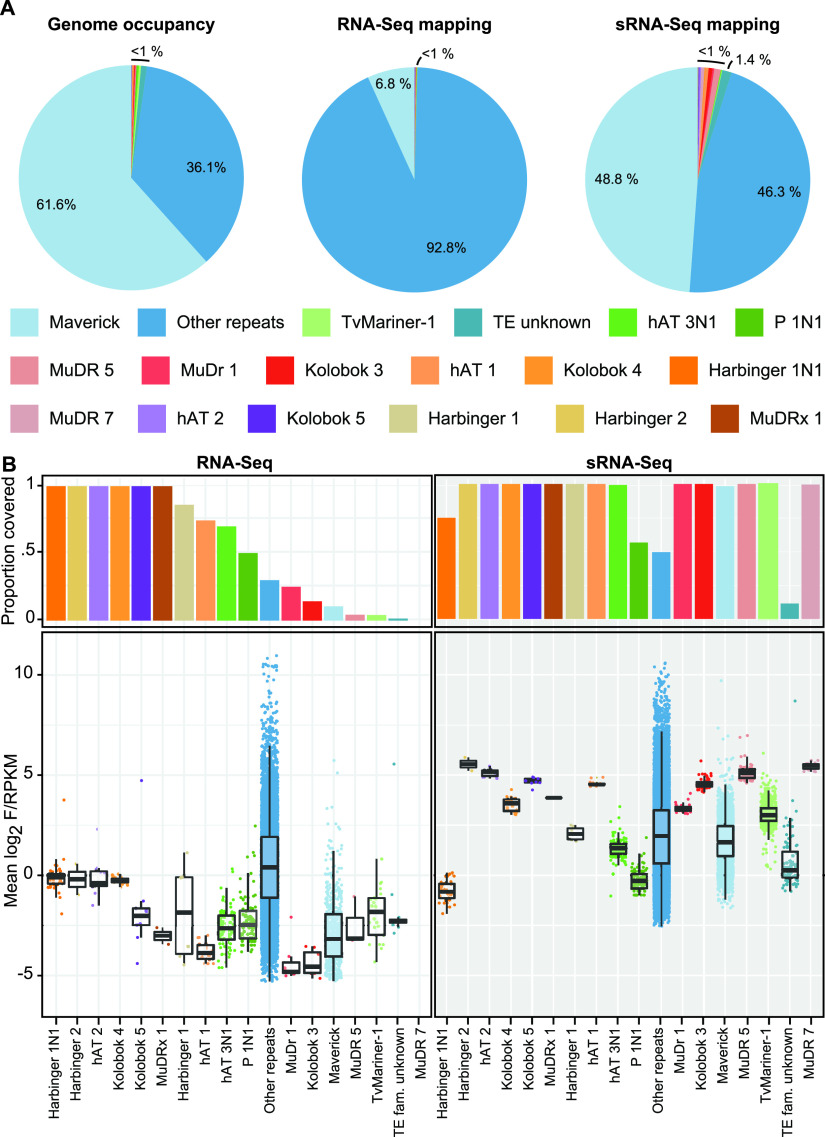
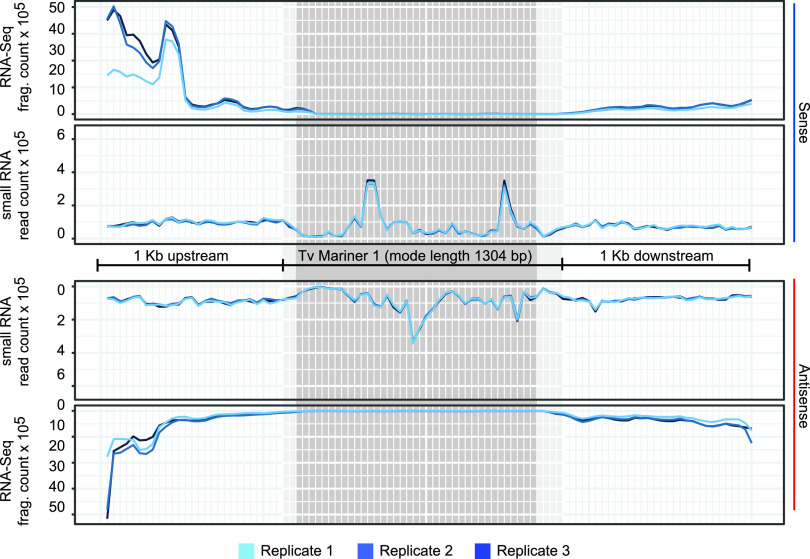
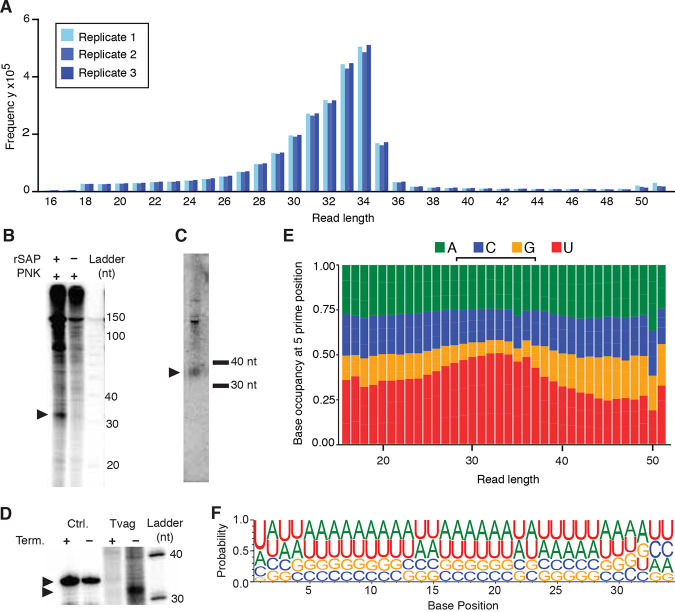
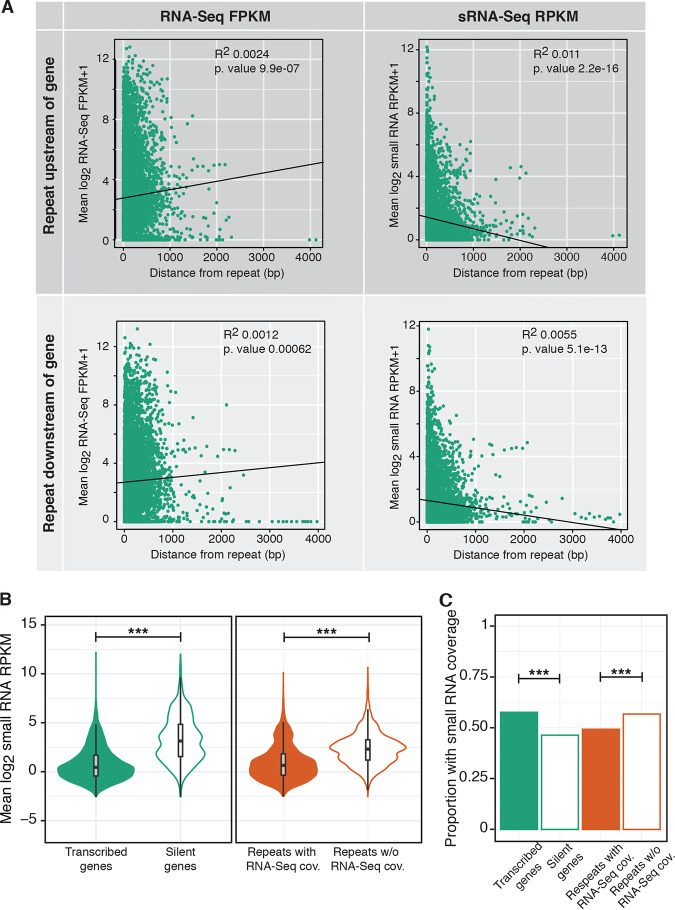
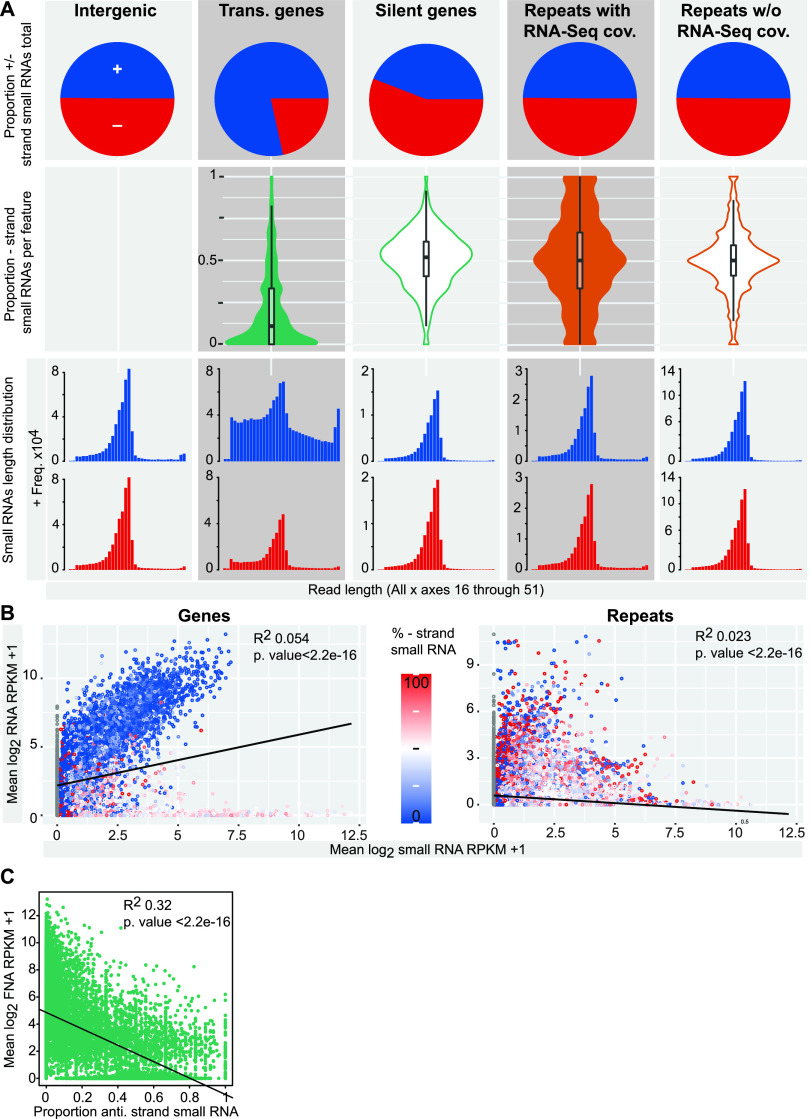
is the causative agent of trichomoniasis, the most prevalent nonviral sexually transmitted infection worldwide. Repetitive elements, including transposable elements (TEs) and virally derived repeats, comprise more than half of the ∼160-Mb genome. An intriguing question is how the parasite controls its potentially lethal complement of mobile elements, which can disrupt transcription of protein-coding genes and genome functions. In this study, we generated high-throughput RNA sequencing (RNA-Seq) and small RNA-Seq data sets in triplicate for the G3 reference strain and characterized the mRNA and small RNA populations and their mapping patterns along all six chromosomes. Mapping the RNA-Seq transcripts to the genome revealed that the majority of genes predicted within repetitive elements are not expressed. Interestingly, we identified a novel species of small RNA that maps bidirectionally along the chromosomes and is correlated with reduced protein-coding gene expression and reduced RNA-Seq coverage in repetitive elements. This novel small RNA family may play a regulatory role in gene and repetitive element expression. Our results identify a possible small RNA pathway mechanism by which the parasite regulates expression of genes and TEs and raise intriguing questions as to the role repeats may play in shaping genome evolution and the diversity of small RNA pathways in general. Trichomoniasis, caused by the protozoan , is the most common nonviral sexually transmitted infection in humans. The millions of cases each year have sequelae that may include complications during pregnancy and increased risk of HIV infection. Given its evident success in this niche, it is paradoxical that harbors in its genome thousands of transposable elements that have the potential to be extremely detrimental to normal genomic function. In many organisms, transposon expression is regulated by the activity of endogenously expressed short (∼21 to 35 nucleotides [nt]) small RNA molecules that effect gene silencing by targeting mRNAs for degradation or by recruiting epigenetic silencing machinery to locations in the genome. Our research has identified small RNA molecules correlated with reduced expression of genes and transposons. This suggests that a small RNA pathway is a major contributor to gene expression patterns in the parasite and opens up new avenues for investigation into small RNA biogenesis, function, and diversity.
是滴虫病的病原体,是全世界最普遍的非病毒性性传播感染。重复元件,包括转座元件(TEs)和病毒衍生的重复序列,占约 160Mb 基因组的一半以上。一个有趣的问题是寄生虫如何控制其潜在致命的可移动元件,这些元件可能会破坏编码蛋白基因和基因组功能的转录。在这项研究中,我们对 G3 参考株进行了三倍的高通量 RNA 测序(RNA-Seq)和小 RNA-Seq 数据集的生成,并对 mRNA 和小 RNA 群体及其在所有六个染色体上的映射模式进行了表征。将 RNA-Seq 转录本映射到基因组上表明,预测在重复元件内的大多数基因都没有表达。有趣的是,我们鉴定了一种新型小 RNA,它沿着染色体双向映射,并与重复元件中编码蛋白基因表达减少和 RNA-Seq 覆盖减少相关。这种新型小 RNA 家族可能在基因和重复元件表达的调控中发挥作用。我们的结果确定了寄生虫调节基因和 TEs 表达的一种可能的小 RNA 途径机制,并提出了关于重复元件在塑造 基因组进化和小 RNA 途径多样性方面可能发挥的作用的有趣问题。由原生动物 引起的滴虫病是人类最常见的非病毒性性传播感染。每年数以百万计的病例都有后遗症,包括妊娠期间的并发症和感染 HIV 的风险增加。考虑到它在这一利基市场的明显成功,它拥有数千个可能对正常基因组功能造成极大危害的转座元件是矛盾的。在许多生物体中,转座子的表达受内源性表达的短(约 21 到 35 个核苷酸 [nt])小 RNA 分子的活性调节,这些小 RNA 分子通过靶向 mRNA 进行降解或招募表观遗传沉默机制到基因组中的位置来实现基因沉默。我们的研究已经鉴定出与 基因和转座子表达减少相关的小 RNA 分子。这表明小 RNA 途径是寄生虫基因表达模式的主要贡献者,并为小 RNA 生物发生、功能和多样性的研究开辟了新的途径。