School of Biological Sciences, University of Bristol, Life Sciences Building, 24 Tyndall Avenue, Bristol, BS8 1TQ, UK.
Parasit Vectors. 2021 Jan 7;14(1):28. doi: 10.1186/s13071-020-04530-3.
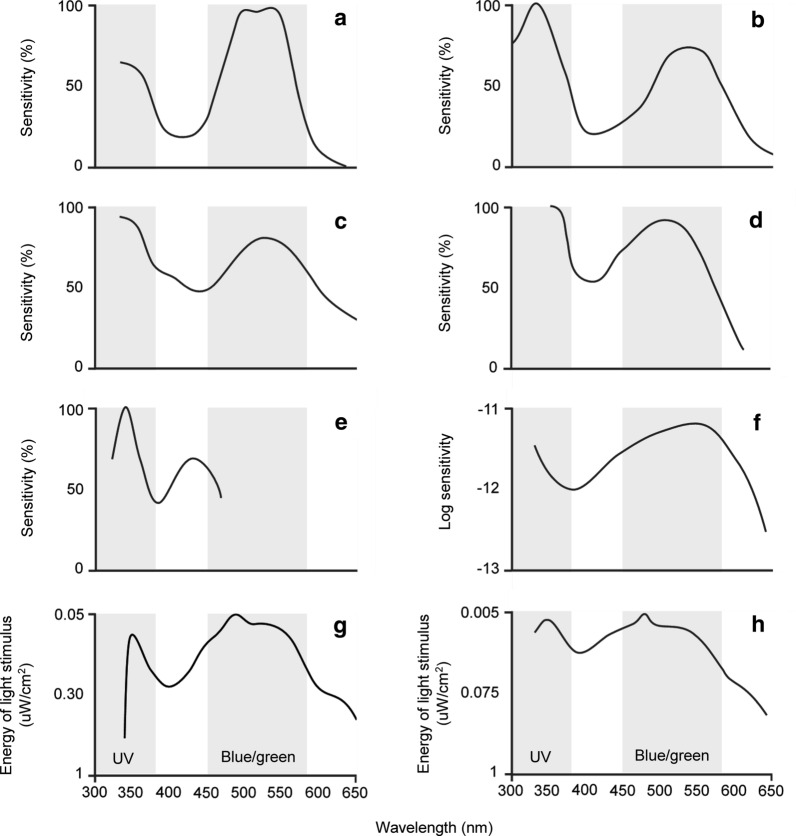
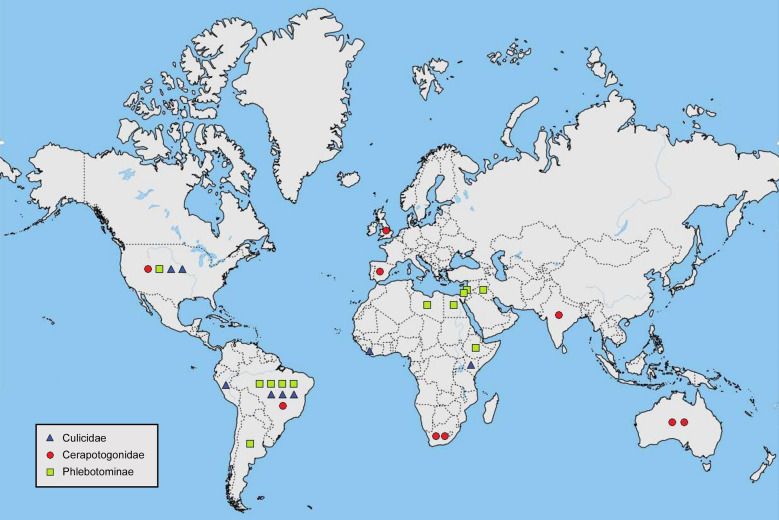
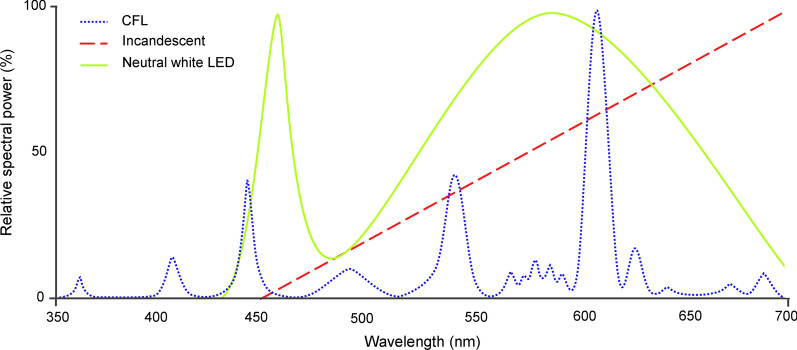
Light trapping is an important tool for monitoring insect populations. This is especially true for biting Diptera, where light traps play a crucial role in disease surveillance by tracking the presence and abundance of vector species. Physiological and behavioural data have been instrumental in identifying factors that influence dipteran phototaxis and have spurred the development of more effective light traps. However, the development of less attractive domestic lights has received comparatively little interest but could be important for reducing interactions between humans and vector insects, with consequences for reducing disease transmission. Here, we discuss how dipteran eyes respond to light and the factors influencing positive phototaxis, and conclude by identifying key areas for further research. In addition, we include a synthesis of attractive and unattractive wavelengths for a number of vector species. A more comprehensive understanding of how Diptera perceive and respond to light would allow for more efficient vector sampling as well as potentially limiting the risk posed by domestic lighting.
光捕获是监测昆虫种群的重要工具。对于吸血双翅目昆虫来说尤其如此,光陷阱在通过跟踪病媒物种的存在和丰度来进行疾病监测方面发挥着关键作用。生理和行为数据在确定影响双翅目趋光性的因素方面发挥了重要作用,并推动了更有效的光陷阱的发展。然而,相对较少关注不太有吸引力的家用灯,但这对于减少人类与病媒昆虫之间的相互作用可能很重要,从而减少疾病传播。在这里,我们讨论了双翅目昆虫的眼睛如何对光做出反应以及影响正趋光性的因素,并最后确定了进一步研究的关键领域。此外,我们还综合了一些病媒物种的有吸引力和无吸引力的波长。更全面地了解双翅目昆虫如何感知和对光做出反应,将有助于更有效地进行病媒采样,并可能限制家用照明带来的风险。