Prog Community Health Partnersh. 2020;14(2):229-242. doi: 10.1353/cpr.2020.0019.
Community-engaged research (CEnR) is an approach to conducting research that actively involves both academic and community partners. Yet many academic researchers have limited knowledge of emerging science and processes for effectively engaging communities and community members are often subjects of research with limited knowledge and participation in the development and implementation of research.
The purpose of this article is to explore two CEnR research training programs, both funded by National Institutes of Health (NIH), for the explicit purpose of facilitating translational science. South Carolina developed the initial program that served as a model for the Delaware program.
Information is presented about how these two programs recruit, develop, and support academic and community partnerships, as well as how each uses mentorship, funding, and structured training programs for successful CEnR with an emphasis on community-based participatory research (CBPR). The development of each program, the funding source, selection process, team requirements and expectations, educational content, evaluation and outcomes are described.
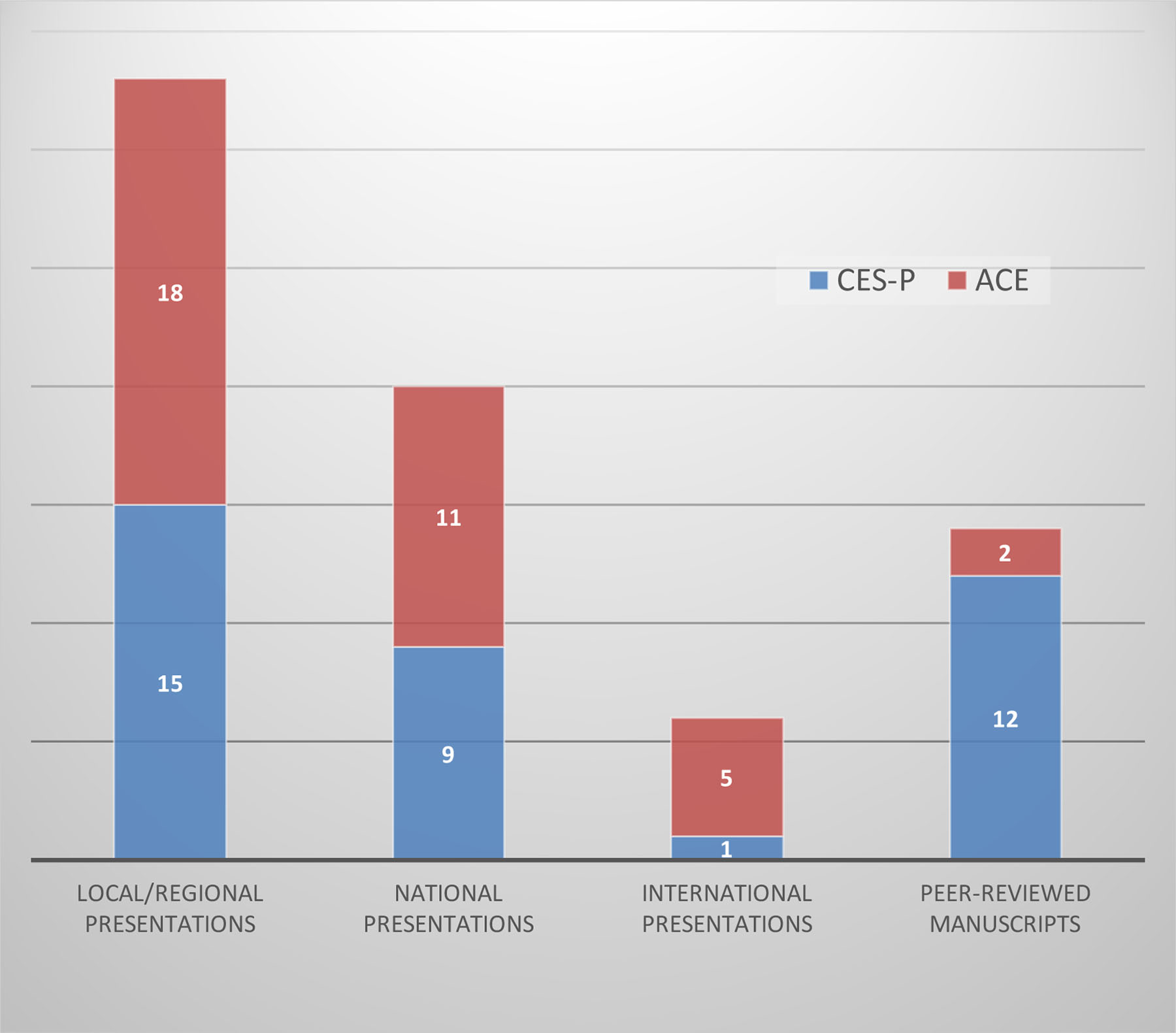
Both programs have increased the number and quality of community-engaged researchers, with 40 academic and community dyad partnerships participating in the training and successfully completing pilot projects. Evaluations reveal the development of effective academic- community partnerships for research with successful dissemination and return on investment (ROI) ranging from $9.72 to $41.59 for each dollar invested in the projects.
Research teams have demonstrated improvements in developing and using CEnR and CBPR approaches. These intermediate measures of success demonstrate the need for similar programs that provide training, preparation, and support to those interested in CEnR.
社区参与式研究(CEnR)是一种积极吸引学术和社区合作伙伴参与的研究方法。然而,许多学术研究人员对新兴科学和有效参与社区的方法知之甚少,而社区成员通常是研究的对象,他们对研究的发展和实施知之甚少,参与度也有限。
本文旨在探讨两个由美国国立卫生研究院(NIH)资助的 CEnR 研究培训计划,其明确目的是促进转化科学。南卡罗来纳州开发了最初的计划,为特拉华州的计划提供了模型。
介绍了这两个计划如何招募、培养和支持学术和社区伙伴关系,以及每个计划如何利用指导、资金和结构化培训计划来成功进行 CEnR,重点是社区参与式研究(CBPR)。描述了每个计划的发展、资金来源、选拔过程、团队要求和期望、教育内容、评估和结果。
两个计划都增加了社区参与研究人员的数量和质量,有 40 个学术和社区二人合作关系参与了培训,并成功完成了试点项目。评估显示,研究团队已经成功建立了有效的学术-社区伙伴关系,用于研究,其传播效果良好,投资回报率(ROI)从每个项目投资的 9.72 美元到 41.59 美元不等。
研究团队在发展和使用 CEnR 和 CBPR 方法方面取得了进展。这些中间成功指标表明,需要类似的计划为有兴趣参与 CEnR 的人提供培训、准备和支持。