Centre for Applied Dementia Studies, Faculty of Health Studies, University of Bradford, Dementia, Richmond Road, Bradford, BD7 1DP, UK.
BMC Geriatr. 2021 Jan 8;21(1):32. doi: 10.1186/s12877-020-01959-0.
Hearing and vision loss in older people has been proven to affect physical and mental health and increase the speed of cognitive decline. Studies have demonstrated that certain practices and improved staff knowledge increase the effective care of residents' ears and eyes, yet it is not known which practices are being implemented in care homes. This study aimed to identify the gaps in staff knowledge regarding hearing and vision difficulties in older residents, and which practices known to improve ear and eye care in older care home residents are not commonly implemented in care homes in England.
This study used a cross-sectional survey design. Survey questions were informed by the existing literature and were focused on practices, staff knowledge, and other aspects that have shown to affect residents' hearing and vision care. A convenience sample of care home staff were recruited from care homes across England between November 2018 and February 2019 via email and in paper format. Descriptive statistics and Chi-Square analysis were applied to identify the factors influencing the care being provided to care home residents.
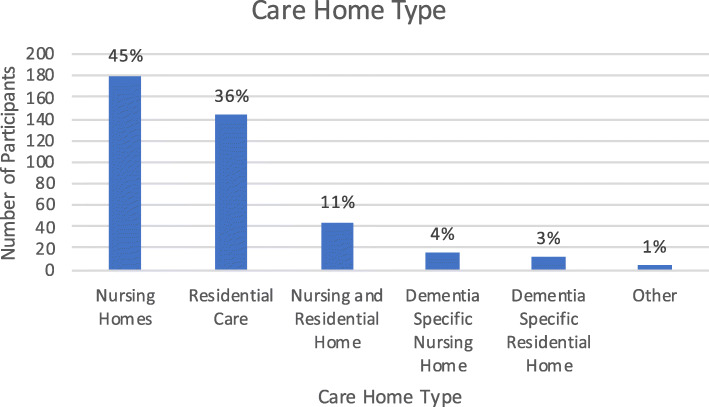
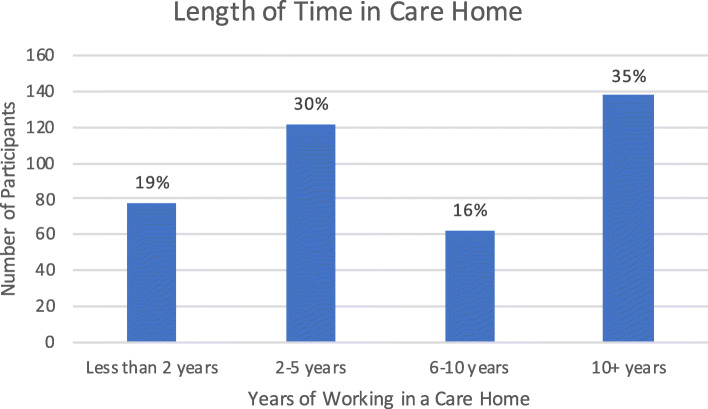
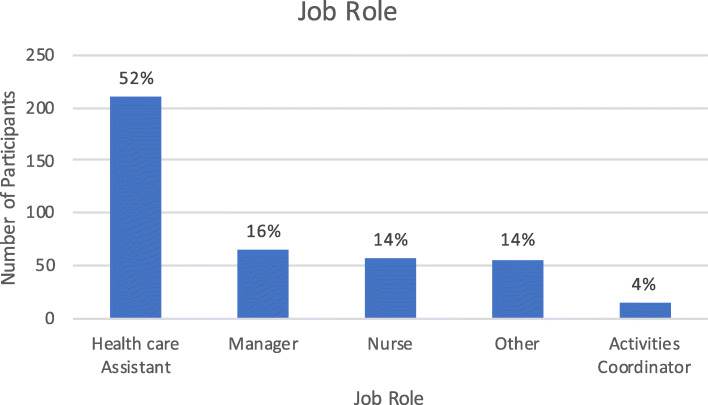
A total of 400 care home staff responded from 74 care homes. The results revealed that less than half of staff respondents reported to use screening tools to identify hearing (46%) and vision impairments (43.8%); that care homes rarely have access to other assistive devices for hearing (16%) and vision loss (23.8%), and that audiology services do not regularly assess care home residents (46.8%). A majority of staff who responded were not confident in ear and eye care. Responses were found to be influenced by the respondents' job role, length of time working in care homes and also the care home type. Findings confirmed a lack of standardised practice and the importance of shared communication for promulgation of best practice.
This study has identified that some practices known to facilitate ear and eye care are not commonly applied in a sample of English care homes. It has also shown that care home staff knowledge of ear and eye care is inconsistent. The information derived from this survey can be used to inform guidelines for best practice and inform needs for future research.
老年人的听力和视力损失已被证明会影响身心健康,并加速认知能力下降。研究表明,某些做法和提高员工知识可以增强对居民耳朵和眼睛的有效护理,但尚不清楚在养老院中实施了哪些做法。本研究旨在确定员工对老年居民听力和视力困难的知识差距,以及哪些已知可改善老年养老院居民耳朵和眼睛护理的做法在英格兰的养老院中并未普遍实施。
本研究采用横断面调查设计。调查问题是根据现有文献确定的,重点关注已证明会影响居民听力和视力护理的做法、员工知识和其他方面。2018 年 11 月至 2019 年 2 月期间,通过电子邮件和纸质形式从英格兰各地的养老院招募了养老院工作人员的便利样本。应用描述性统计和卡方分析来确定影响为养老院居民提供护理的因素。
共有 400 名养老院工作人员从 74 家养老院做出了回应。结果表明,不到一半的员工受访者报告使用筛查工具来识别听力(46%)和视力障碍(43.8%);养老院很少有听力(16%)和视力丧失(23.8%)的其他辅助设备,并且听力学家服务也没有定期评估养老院居民(46.8%)。大多数做出回应的员工对耳朵和眼睛护理都没有信心。调查结果表明,员工的工作角色、在养老院工作的时间长短以及养老院的类型都会影响回应。研究结果证实了缺乏标准化做法的情况,并强调了共享沟通对推广最佳实践的重要性。
本研究发现,在英格兰的养老院样本中,一些已知有助于耳朵和眼睛护理的做法并未得到普遍应用。它还表明,养老院员工对耳朵和眼睛护理的知识不一致。本调查得出的信息可用于为最佳实践提供信息,并为未来的研究需求提供信息。