Fønss Rasmussen Lisa, Grode Louise Bang, Lange Jeppe, Barat Ishay, Gregersen Merete
Department of Research and Department of Medicine, Regional Hospital Horsens, Horsens, Denmark
Department of Clinical Medicine, Aarhus Universitet, Aarhus, Denmark.
BMJ Open. 2021 Jan 8;11(1):e040057. doi: 10.1136/bmjopen-2020-040057.
To identify and synthesise available evidence on the impact of transitional care interventions with both predischarge and postdischarge elements on readmission rates in older medical patients.
A systematic review.
Inclusion criteria were: medical patients ≥65 years or mean age in study population of ≥75 years; interventions were transitional care interventions between hospital and home with both predischarge and postdischarge components; outcome was hospital readmissions. Studies were excluded if they: included other patient groups than medical patients, included patients with only one diagnosis or patients with only psychiatric disorders. PubMed, The Cochrane Library, Embase, Cumulative Index to Nursing and Allied Health Literature (CINAHL) and Web of Science were searched from January 2008 to August 2019. Study selection at title level was undertaken by one author; the remaining selection process, data extraction and methodological quality assessment were undertaken by two authors independently. A narrative synthesis was performed, and effect sizes were estimated.
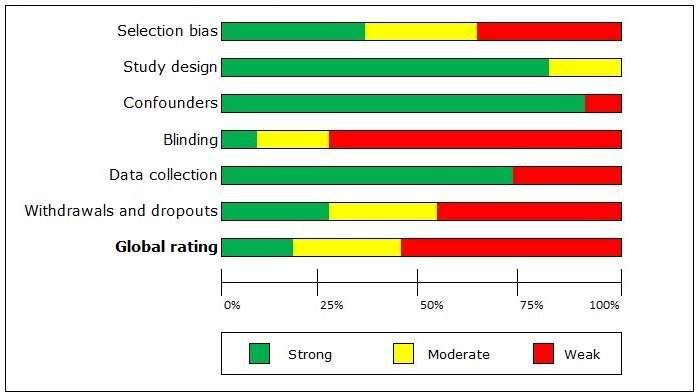
We identified 1951 records and included 11 studies: five randomised trials, four non-randomised controlled trials and two pre-post cohort studies. The 11 studies represent 15 different interventions and 29 outcome results measuring readmission rates within 7-182 days after discharge. Twenty-two of the 29 outcome results showed a drop in readmission rates in the intervention groups compared with the control groups. The most significant impact was seen when interventions were of high intensity, lasted at least 1 month and targeted patients at risk. The methodological quality of the included studies was generally poor.
Transitional care interventions reduce readmission rates among older medical patients although the impact varies at different times of outcome assessment. High-quality studies examining the impact of interventions are needed, preferably complimented by a process evaluation to refine and improve future interventions.
CRD42019121795.
识别并综合现有证据,以探讨包含出院前和出院后环节的过渡性护理干预措施对老年内科患者再入院率的影响。
系统评价。
纳入标准为:年龄≥65岁的内科患者或研究人群的平均年龄≥75岁;干预措施为医院与家庭之间的过渡性护理干预,包含出院前和出院后环节;结局为医院再入院情况。若研究存在以下情况则被排除:纳入了内科患者以外的其他患者群体、仅纳入了单一诊断的患者或仅患有精神疾病的患者。检索了2008年1月至2019年8月期间的PubMed、Cochrane图书馆、Embase、护理及相关健康文献累积索引数据库(CINAHL)和科学网。由一位作者进行题目层面的研究筛选;其余筛选过程、数据提取和方法学质量评估由两位作者独立进行。进行了叙述性综合分析,并估计了效应大小。
我们识别出1951条记录,纳入了11项研究:5项随机试验、4项非随机对照试验和2项前后队列研究。这11项研究代表了15种不同的干预措施和29项测量出院后7 - 182天内再入院率的结局结果。29项结局结果中有22项显示干预组的再入院率相较于对照组有所下降。当干预措施强度高、持续至少1个月且针对有风险的患者时,效果最为显著。纳入研究的方法学质量总体较差。
过渡性护理干预措施可降低老年内科患者的再入院率,尽管在不同结局评估时间点的影响有所不同。需要高质量的研究来考察干预措施的影响,最好辅以过程评估以完善和改进未来的干预措施。
PROSPERO注册号:CRD42019121795。