Ma Shulin, Zhao Xu, Zhang Cong, Sun Panpan, Li Yun, Lin Xiaowen, Sun Tao, Fu Zhijian
Department of Pain Management, Shandong Provincial Hospital, Cheeloo College of Medicine, Shandong University, Jinan, China.
Department of Pain Management, Shandong Provincial Hospital Affiliated to Shandong First Medical University, Jinan, China.
Front Med (Lausanne). 2020 Dec 17;7:617321. doi: 10.3389/fmed.2020.617321. eCollection 2020.
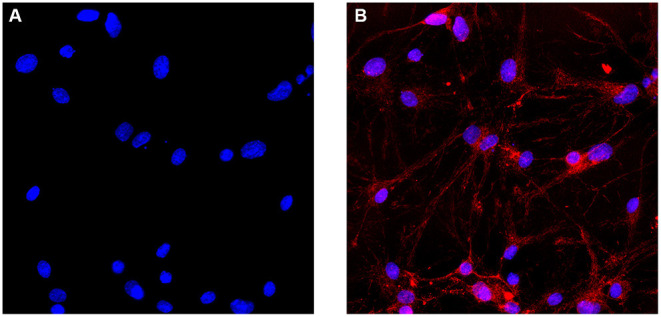
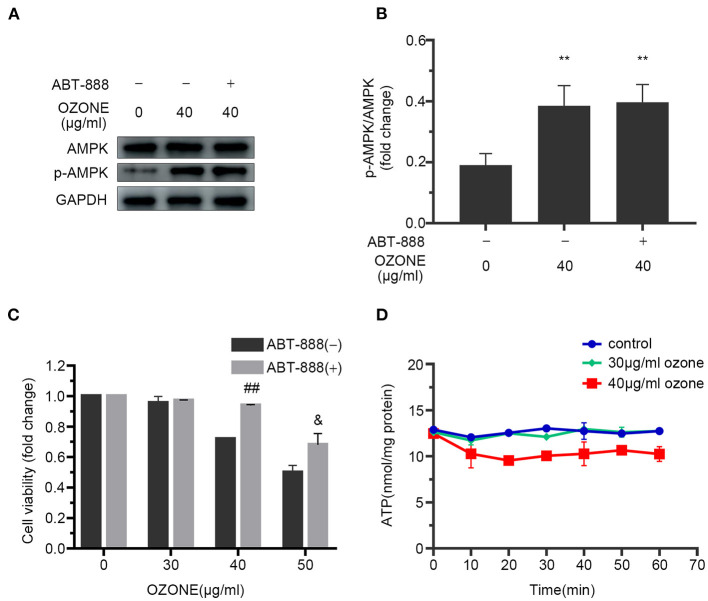
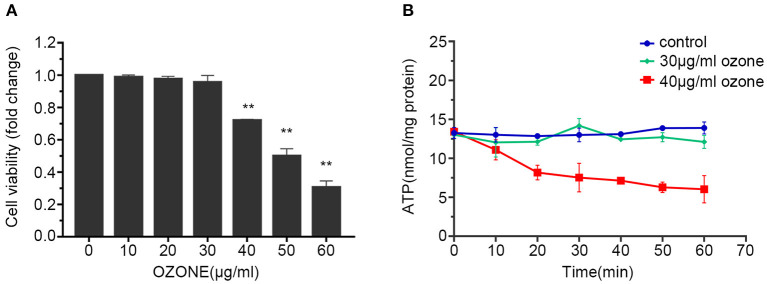
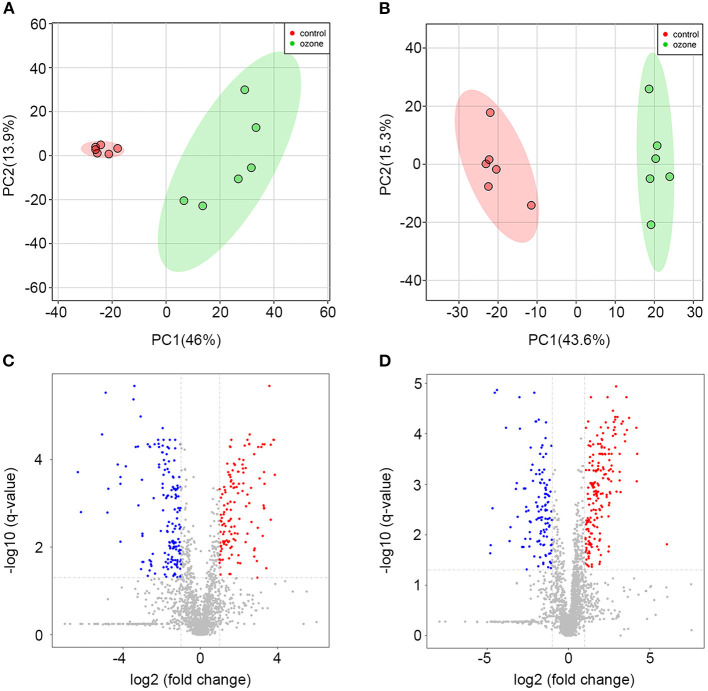
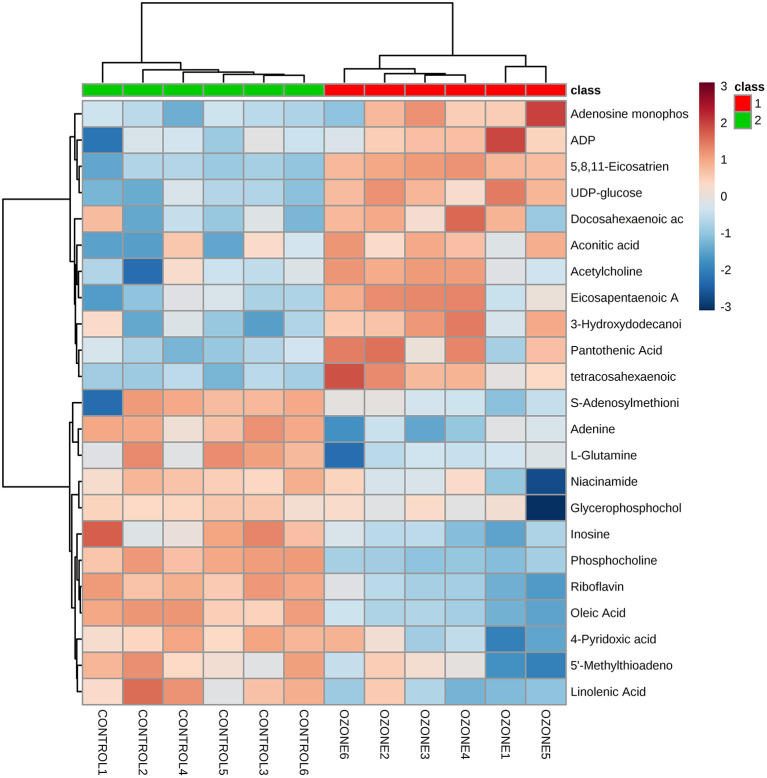
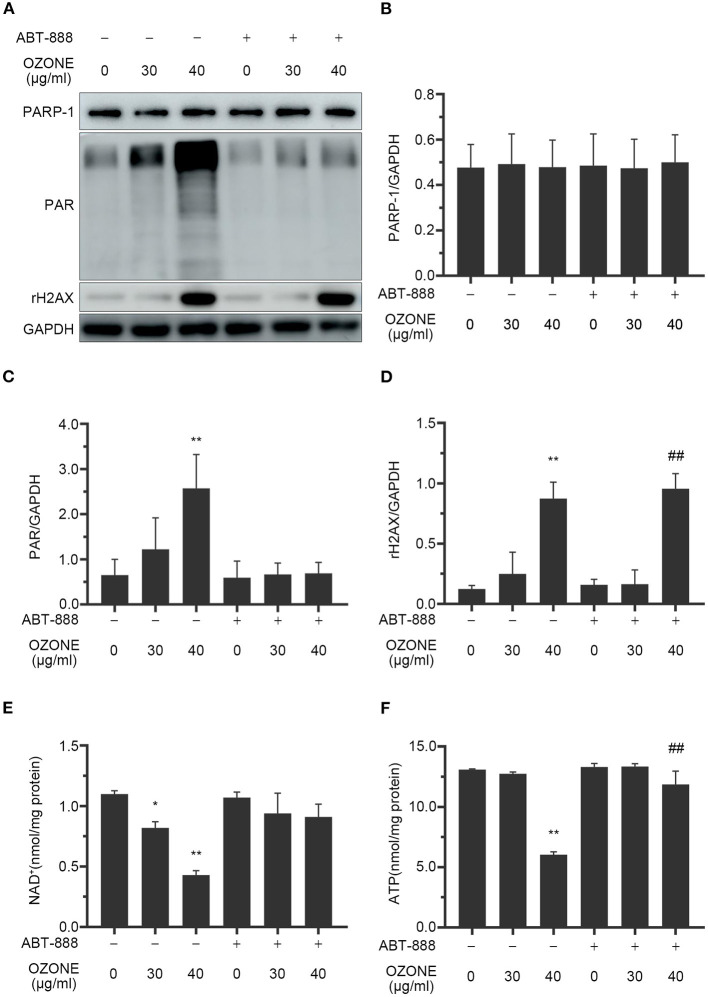
Ozone therapy has shown therapeutic efficacy in different disorders particularly low back pain (LBP). However, ozone therapy has been associated with toxic effects on the respiratory, endocrine, cardiovascular systems as well as nervous system because of its strong oxidizing capacity. Recent studies have reported possible associations between ozone exposure and metabolic disorders, but the findings are controversial and little is known on the mechanisms of action. This study aims to investigate the cytotoxic effects of ozone exposure and possible mechanism of action in the animal model. Wistar neonate rats with the age of 24 h after birth were sacrificed by cervical dislocation under general anesthesia, then immersed in 75% alcohol and iodophor for 5 min, respectively. The spinal cord was isolated and cut to samples of ~1 mm and prepared for further experiments. The spinal cord neurons (SCNs) were exposed to ozone at different concentrations and then cultured in 96-well plates with glass bottom for 7 days. The cell viability, ATP levels and the NAD+ concentration were determined and compared between the different experimental groups and the control group. Analyses of the data by non-targeted liquid chromatography-mass spectrometry (LC-MS) analysis determined the metabolic disorder in SCNs following the ozone exposure. Moreover, our assessments showed that ozone exposure resulted in DNA damage, poly (ADP)-ribose polymerase-1 (PARP1) excessive activation, nicotinamide adenine dinucleotide (NAD+) depletion and decrease of ATP level in SCNs. The PARP1 inhibitor can inhibit the cytotoxic effect of ozone to SCNs without inhibiting the activation of AMP-activated protein kinase (AMPK). Our findings revealed that the cytotoxic effects of ozone to SCNs might be mediated by excessive PARP1 activation and subsequent NAD+ depletion. Moreover, using PARP1 inhibitor can protect SCNs from cytotoxic effects of ozone by preventing NAD+ depletion during ozone exposure. Ozone exposure seems to induce metabolic disorders and NAD+ depletion through excessive PARP1 activation in SCNs.
臭氧疗法已在不同疾病中显示出治疗效果,尤其是在腰痛(LBP)方面。然而,由于其强大的氧化能力,臭氧疗法与对呼吸系统、内分泌系统、心血管系统以及神经系统的毒性作用有关。最近的研究报道了臭氧暴露与代谢紊乱之间可能存在关联,但这些发现存在争议,且对其作用机制知之甚少。本研究旨在探讨臭氧暴露在动物模型中的细胞毒性作用及其可能的作用机制。出生后24小时的Wistar新生大鼠在全身麻醉下通过颈椎脱臼处死,然后分别浸入75%酒精和碘伏中5分钟。分离脊髓并切成约1毫米的样本,准备进行进一步实验。将脊髓神经元(SCNs)暴露于不同浓度的臭氧中,然后在带有玻璃底部的96孔板中培养7天。测定并比较不同实验组和对照组的细胞活力、ATP水平和NAD⁺浓度。通过非靶向液相色谱-质谱(LC-MS)分析对数据进行分析,确定了臭氧暴露后SCNs中的代谢紊乱。此外,我们的评估表明,臭氧暴露导致SCNs中的DNA损伤、聚(ADP)-核糖聚合酶-1(PARP1)过度激活、烟酰胺腺嘌呤二核苷酸(NAD⁺)耗竭和ATP水平降低。PARP1抑制剂可以抑制臭氧对SCNs的细胞毒性作用,而不抑制AMP激活的蛋白激酶(AMPK)的激活。我们的研究结果表明,臭氧对SCNs的细胞毒性作用可能是由PARP1过度激活和随后的NAD⁺耗竭介导的。此外,使用PARP1抑制剂可以通过防止臭氧暴露期间的NAD⁺耗竭来保护SCNs免受臭氧的细胞毒性作用。臭氧暴露似乎通过SCNs中PARP1的过度激活诱导代谢紊乱和NAD⁺耗竭。