Centre for Radiation, Chemical and Environmental Hazards, Public Health England, Harwell Campus, Didcot, Oxfordshire OX11 0RQ, UK.
School of Biosciences, University of Birmingham, Birmingham B15 2TT, UK.
Int J Mol Sci. 2021 Jan 8;22(2):556. doi: 10.3390/ijms22020556.
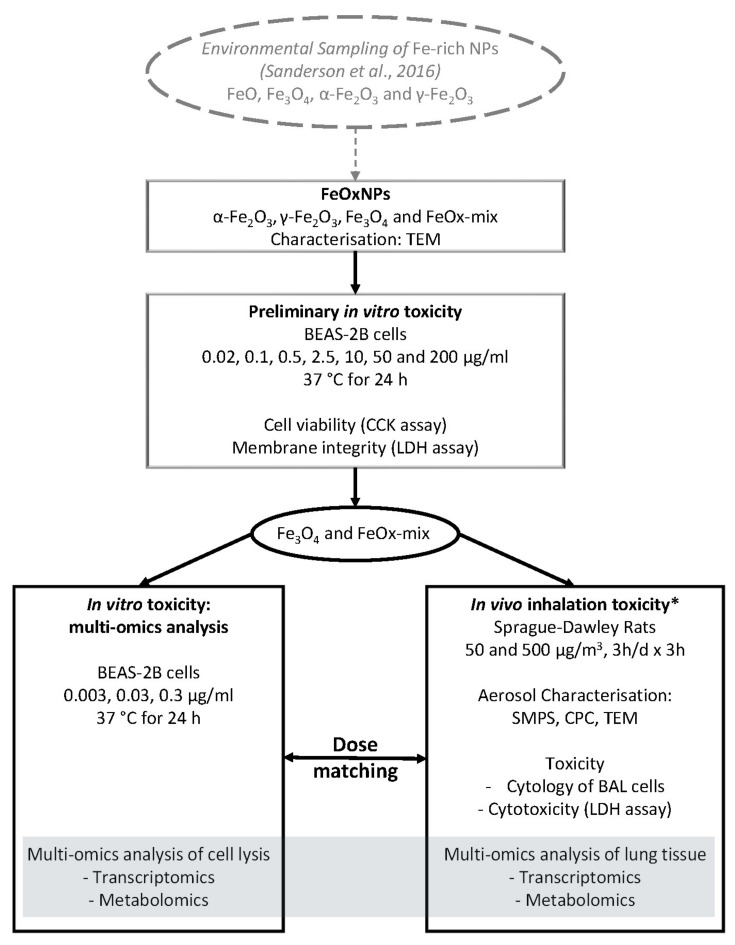
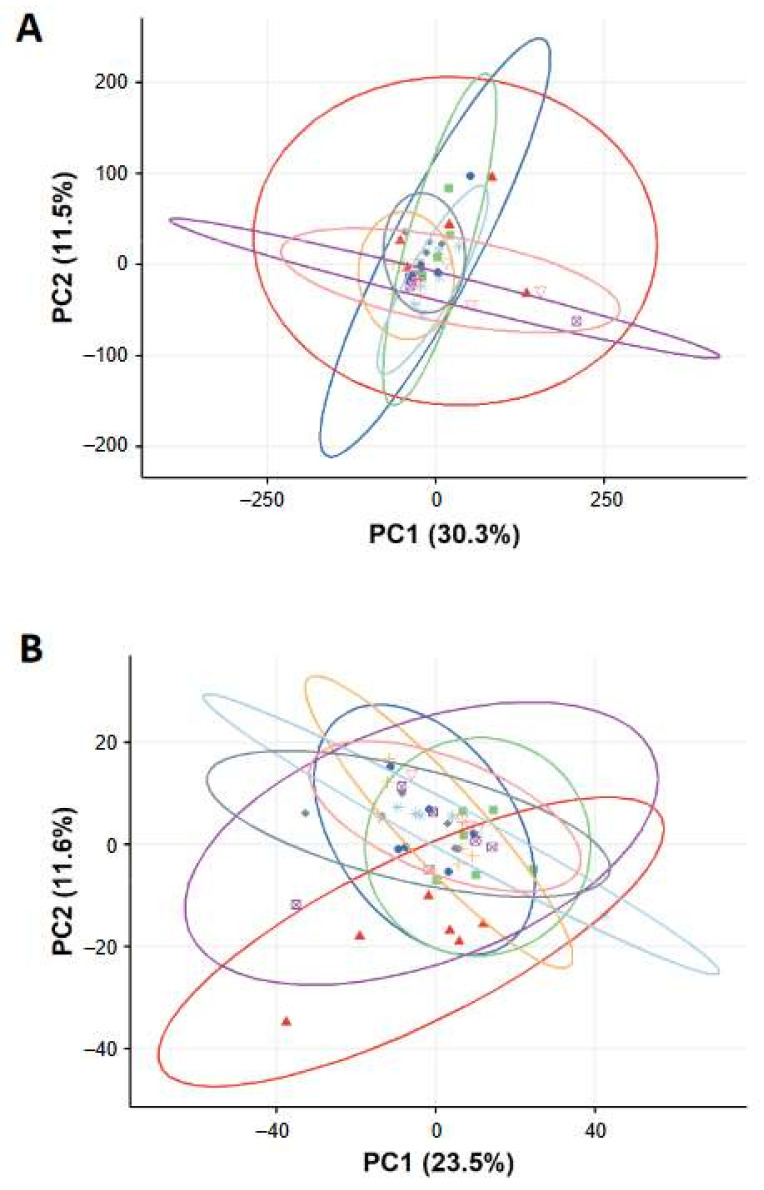
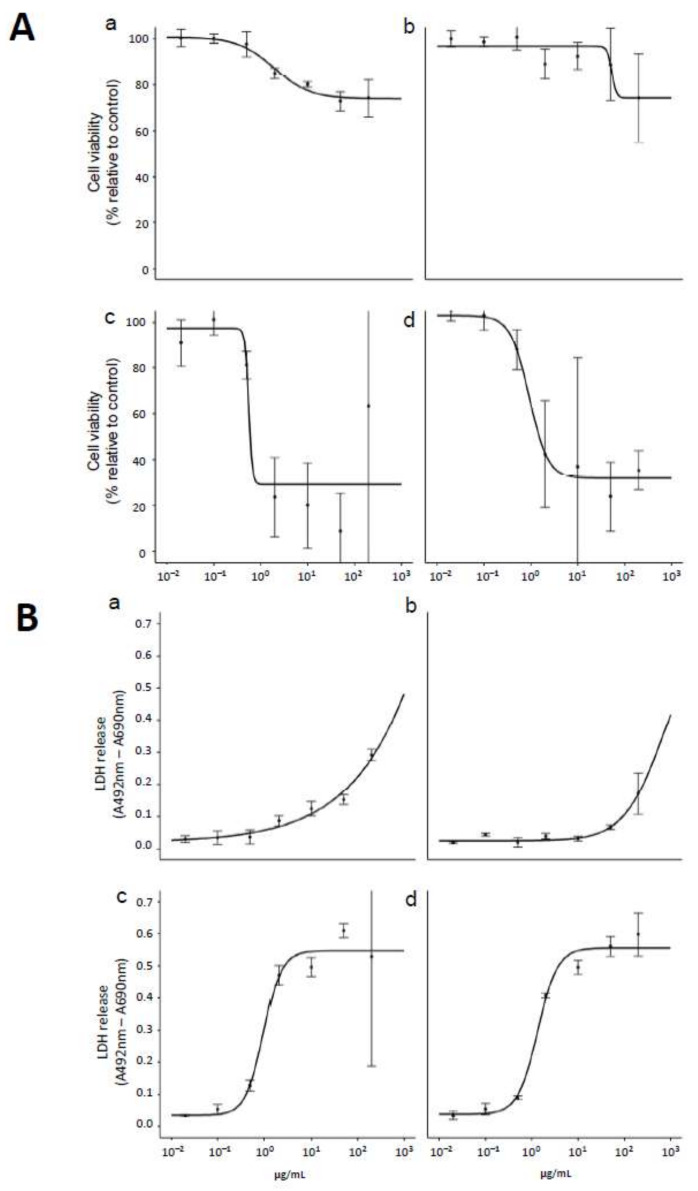
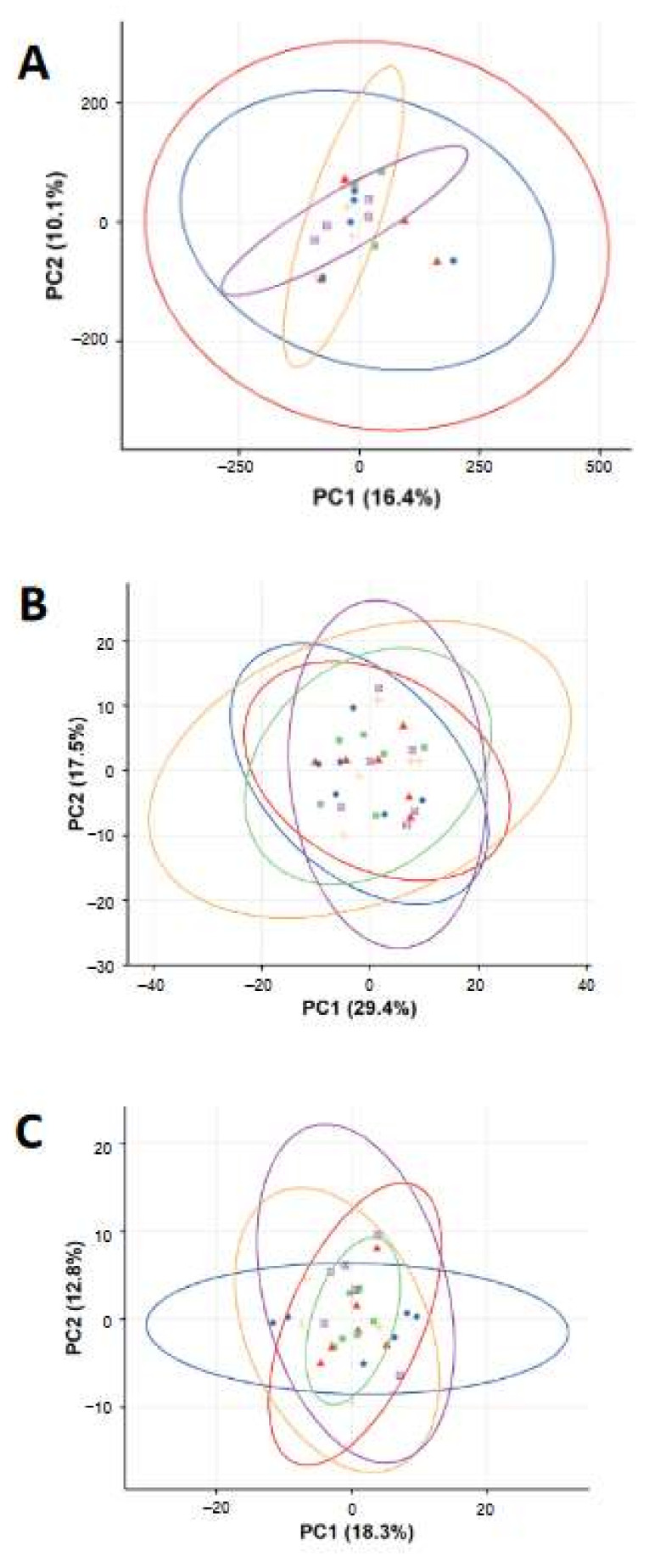
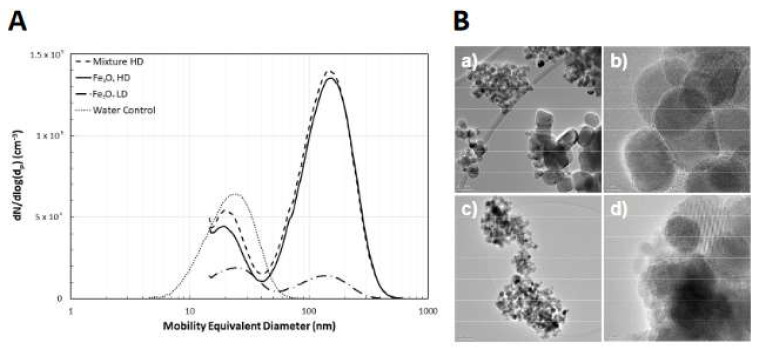
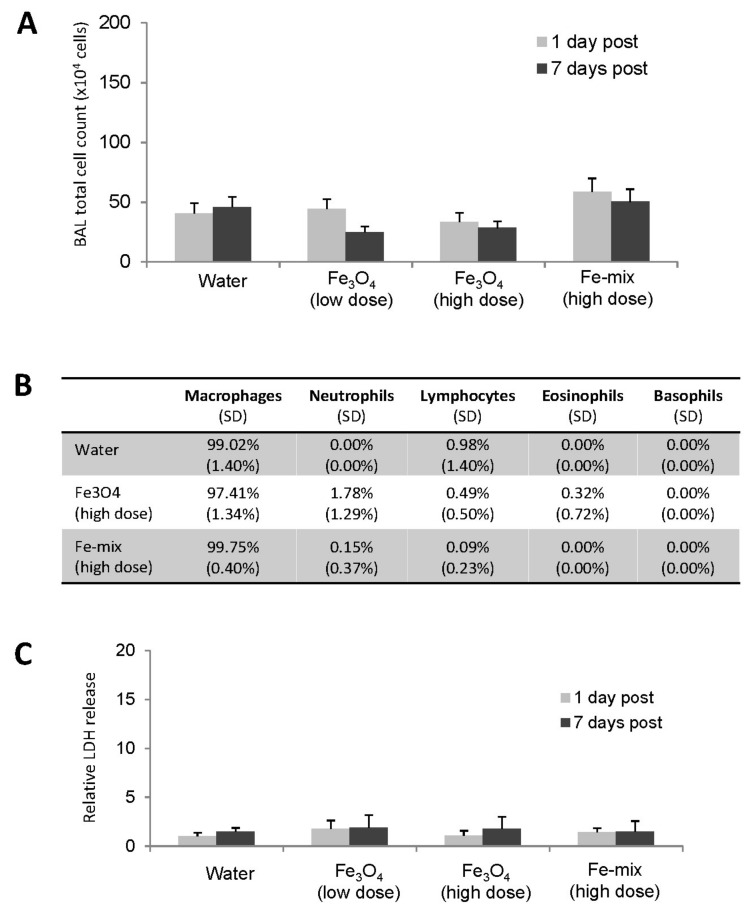
Iron is typically the dominant metal in the ultrafine fraction of airborne particulate matter. Various studies have investigated the toxicity of inhaled nano-sized iron oxide particles (FeONPs) but their results have been contradictory, with some indicating no or minor effects and others finding effects including oxidative stress and inflammation. Most studies, however, did not use materials reflecting the characteristics of FeONPs present in the environment. We, therefore, analysed the potential toxicity of FeONPs of different forms (FeO, α-FeO and γ-FeO) reflecting the characteristics of high iron content nano-sized particles sampled from the environment, both individually and in a mixture (FeO-mix). A preliminary in vitro study indicated FeO and FeO-mix were more cytotoxic than either form of FeO in human bronchial epithelial cells (BEAS-2B). Follow-up in vitro (0.003, 0.03, 0.3 µg/mL, 24 h) and in vivo (Sprague-Dawley rats, nose-only exposure, 50 µg/m and 500 µg/m, 3 h/d × 3 d) studies therefore focused on these materials. Experiments in vitro explored responses at the molecular level via multi-omics analyses at concentrations below those at which significant cytotoxicity was evident to avoid detection of responses secondary to toxicity. Inhalation experiments used aerosol concentrations chosen to produce similar levels of particle deposition on the airway surface as were delivered in vitro. These were markedly higher than environmental concentrations. No clinical signs of toxicity were seen nor effects on BALF cell counts or LDH levels. There were also no significant changes in transcriptomic or metabolomic responses in lung or BEAS-2B cells to suggest adverse effects.
铁通常是空气中颗粒物超细颗粒中的主要金属。多项研究已经调查了吸入纳米级氧化铁颗粒(FeONPs)的毒性,但结果相互矛盾,一些研究表明没有或只有轻微影响,而另一些研究则发现了氧化应激和炎症等影响。然而,大多数研究并没有使用反映环境中存在的 FeONPs 特征的材料。因此,我们分析了不同形式(FeO、α-FeO 和 γ-FeO)的 FeONPs 的潜在毒性,这些形式反映了从环境中采样的高铁含量纳米颗粒的特征,单独使用和混合使用(FeO-混合物)。初步的体外研究表明,FeO 和 FeO-混合物比环境中采样的任何一种 FeO 形式对人支气管上皮细胞(BEAS-2B)的细胞毒性都更大。随后进行的体外(0.003、0.03、0.3μg/ml,24 小时)和体内(Sprague-Dawley 大鼠,鼻内暴露,50μg/m 和 500μg/m,每天 3 小时×3 天)研究集中在这些材料上。体外实验通过多组学分析在没有明显细胞毒性的浓度下探索了分子水平的反应,以避免检测到继发于毒性的反应。吸入实验使用气溶胶浓度,这些浓度选择在气道表面产生与体外相同的颗粒沉积水平,但浓度明显高于环境浓度。没有观察到毒性的临床迹象,也没有对 BALF 细胞计数或 LDH 水平产生影响。肺和 BEAS-2B 细胞中转录组或代谢组学反应也没有显著变化,表明没有不良影响。