Gaikwad Shreyas, Srivastava Sanjay K
Department of Immunotherapeutics and Biotechnology, Center for Tumor Immunology and Targeted Cancer Therapy, Texas Tech University Health Sciences Center, Abilene, TX 79601, USA.
Antioxidants (Basel). 2021 Jan 9;10(1):83. doi: 10.3390/antiox10010083.
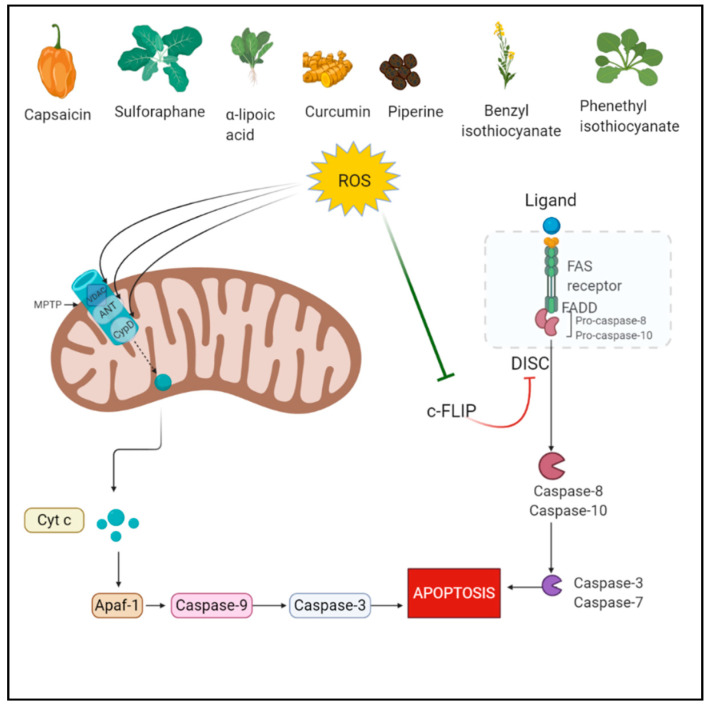
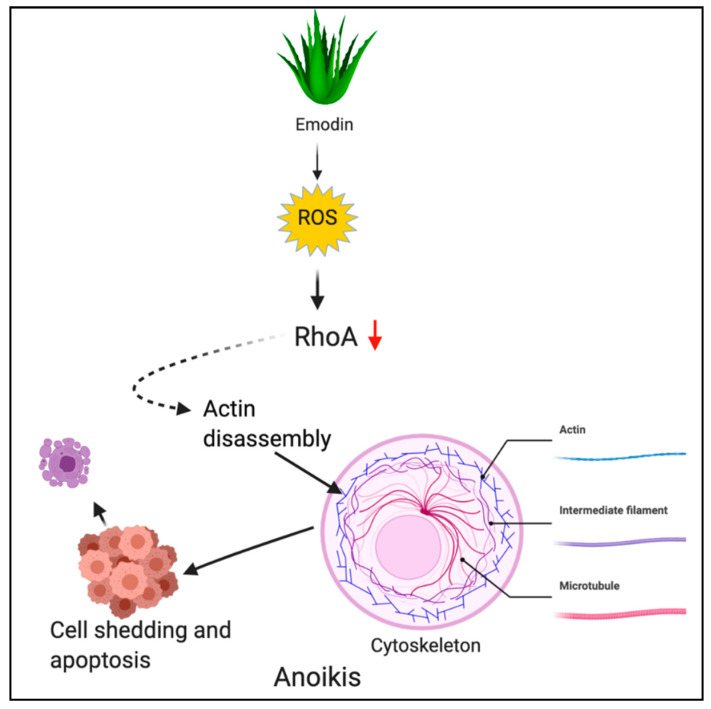
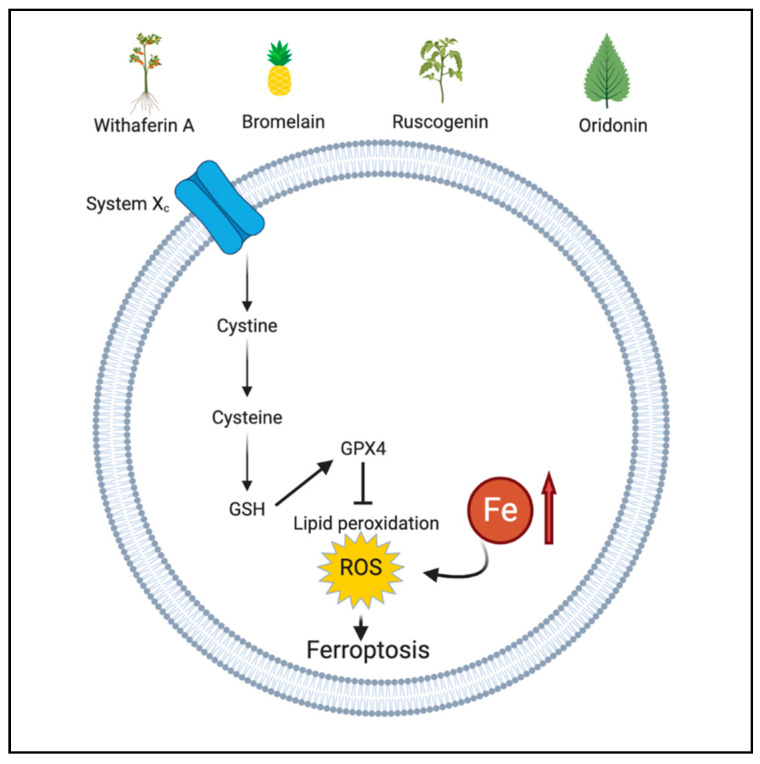
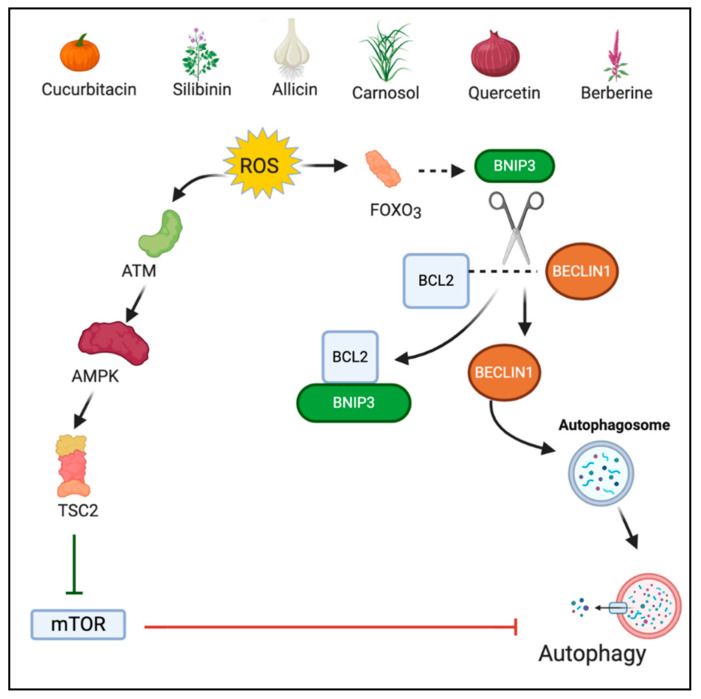
Over the past few decades, research on reactive oxygen species (ROS) has revealed their critical role in the initiation and progression of cancer by virtue of various transcription factors. At certain threshold values, ROS act as signaling molecules leading to activation of oncogenic pathways. However, if perturbated beyond the threshold values, ROS act in an anti-tumor manner leading to cellular death. ROS mediate cellular death through various programmed cell death (PCD) approaches such as apoptosis, autophagy, ferroptosis, etc. Thus, external stimulation of ROS beyond a threshold is considered a promising therapeutic strategy. Phytochemicals have been widely regarded as favorable therapeutic options in many diseased conditions. Over the past few decades, mechanistic studies on phytochemicals have revealed their effect on ROS homeostasis in cancer. Considering their favorable side effect profile, phytochemicals remain attractive treatment options in cancer. Herein, we review some of the most recent studies performed using phytochemicals and, we further delve into the mechanism of action enacted by individual phytochemicals for PCD in cancer.
在过去几十年中,对活性氧(ROS)的研究揭示了它们借助各种转录因子在癌症发生和发展过程中的关键作用。在某些阈值下,ROS作为信号分子导致致癌途径的激活。然而,如果超过阈值受到干扰,ROS则以抗肿瘤方式发挥作用,导致细胞死亡。ROS通过各种程序性细胞死亡(PCD)途径介导细胞死亡,如凋亡、自噬、铁死亡等。因此,将ROS外部刺激超过阈值视为一种有前景的治疗策略。植物化学物质在许多疾病状态下被广泛认为是有利的治疗选择。在过去几十年中,对植物化学物质的机制研究揭示了它们对癌症中ROS稳态的影响。考虑到它们良好的副作用特征,植物化学物质在癌症治疗中仍然是有吸引力的选择。在此,我们综述了一些使用植物化学物质进行的最新研究,并进一步深入探讨了个体植物化学物质在癌症中诱导程序性细胞死亡的作用机制。