Department of Surgery, BioMEMS Resource Center, Massachusetts General Hospital, Harvard Medical School, Boston, MA, USA.
Department of Medicine, University of Fribourg, 1700, Fribourg, Switzerland.
Sci Rep. 2021 Jan 12;11(1):778. doi: 10.1038/s41598-020-78854-6.
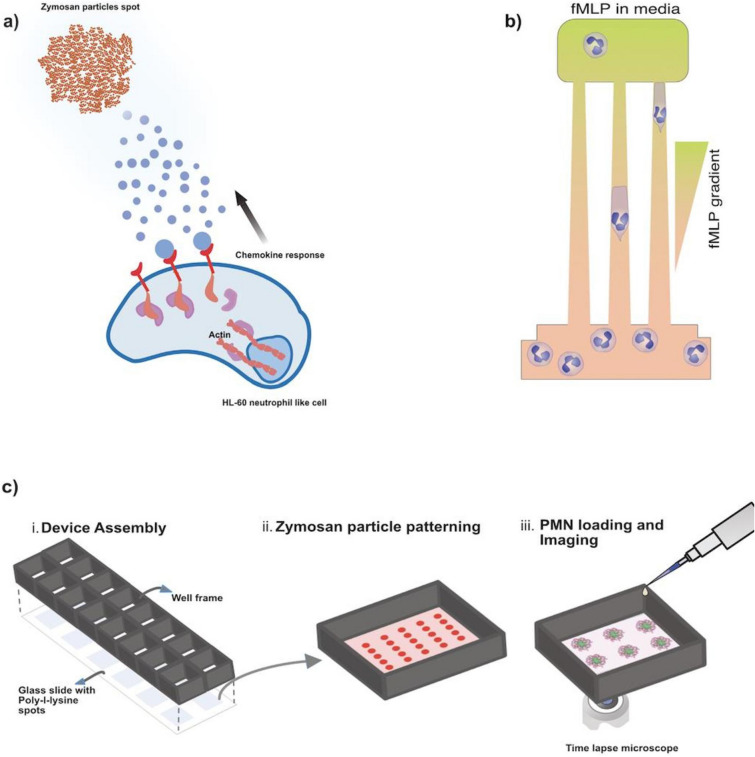
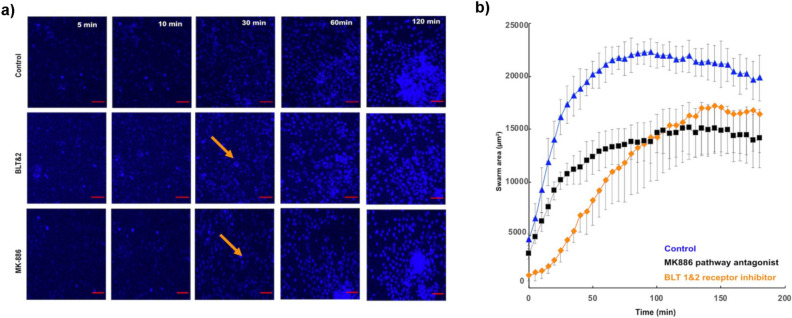
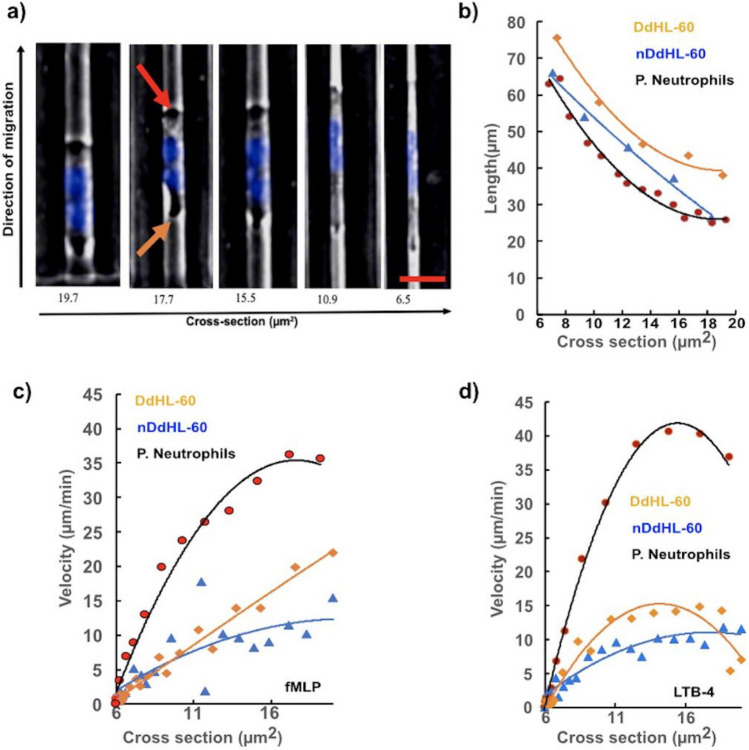
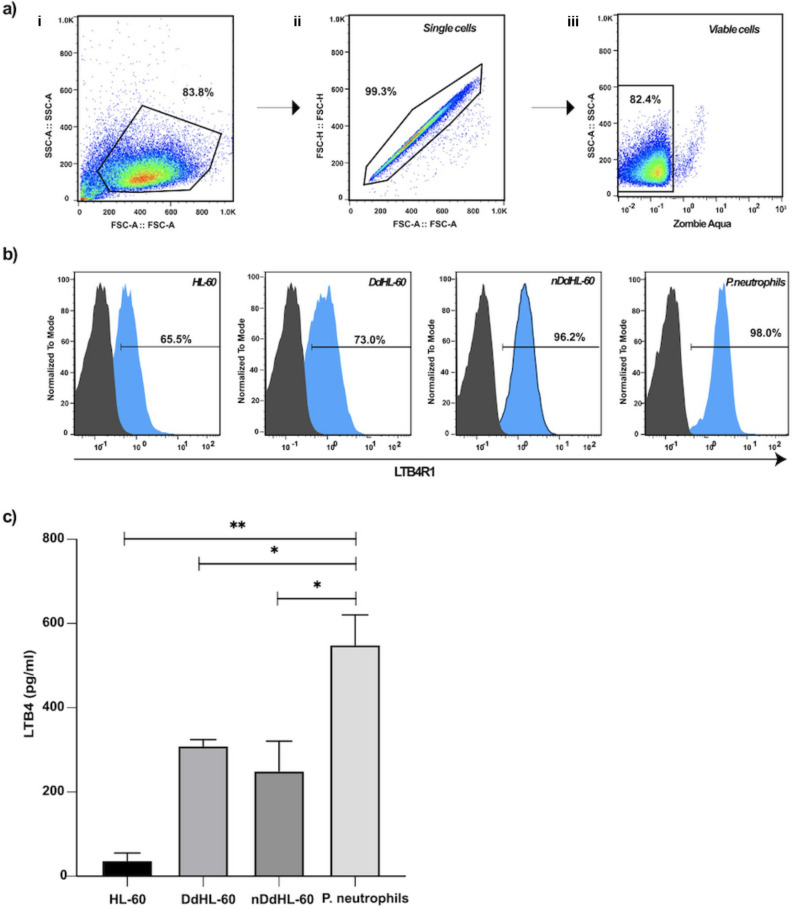
The human leukemia cell line (HL-60) is an alternative to primary neutrophils in research studies. However, because HL-60 cells proliferate in an incompletely differentiated state, they must undergo differentiation before they acquire the functional properties of neutrophils. Here we provide evidence of swarming and chemotaxis in differentiated HL-60 neutrophil-like cells (dHL-60) using precise microfluidic assays. We found that dimethyl sulfoxide differentiated HL-60 cells (DdHL-60) have a larger size, increased length, and lower ability to squeeze through narrow channels compared to primary neutrophils. They migrate through tapered microfluidic channels slower than primary neutrophils, but faster than HL-60s differentiated by other protocols, e.g., using all-trans retinoic acid. We found that dHL-60 can swarm toward zymosan particle clusters, though they display disorganized migratory patterns and produce swarms of smaller size compared to primary neutrophils.
人白血病细胞系(HL-60)是研究中替代原代中性粒细胞的一种选择。然而,由于 HL-60 细胞以不完全分化的状态增殖,因此在获得中性粒细胞的功能特性之前,它们必须经历分化。在这里,我们使用精确的微流控分析提供了分化的 HL-60 中性粒细胞样细胞(dHL-60)中 swarm 和趋化性的证据。我们发现与原代中性粒细胞相比,二甲基亚砜分化的 HL-60 细胞(DdHL-60)具有更大的尺寸、更长的长度和更低的通过狭窄通道的挤压能力。它们通过锥形微流道的迁移速度比原代中性粒细胞慢,但比使用全反式视黄酸等其他方案分化的 HL-60 更快。我们发现 dHL-60 可以向酵母聚糖颗粒簇 swarm,但它们显示出杂乱无章的迁移模式,并且产生的 swarm 比原代中性粒细胞小。