Rare and Neurological Diseases Therapeutic Area, Sanofi R+D, 49 New York Avenue, Framingham, MA, 01701, USA.
Sci Rep. 2021 Jan 12;11(1):803. doi: 10.1038/s41598-020-80378-y.
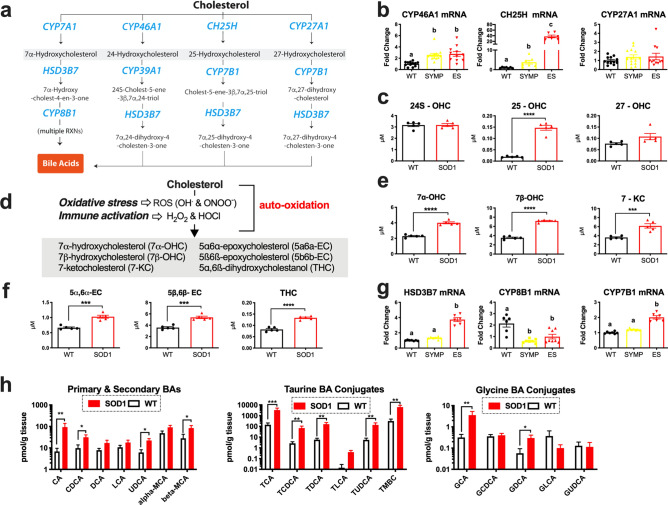
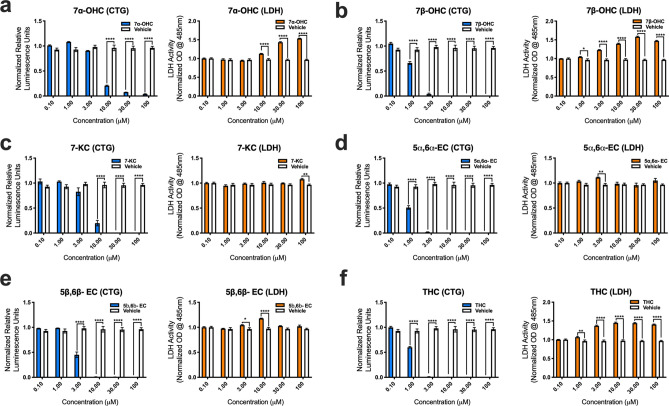
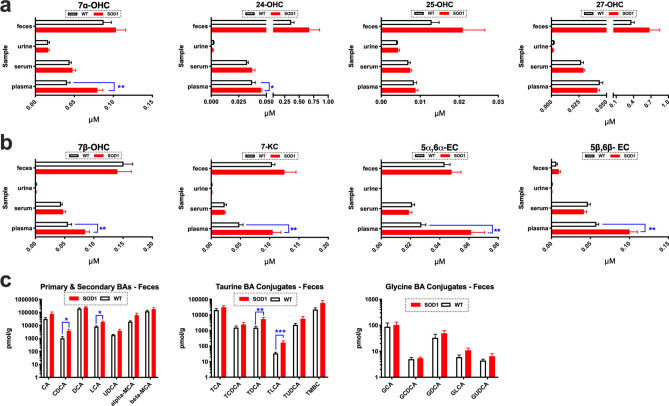
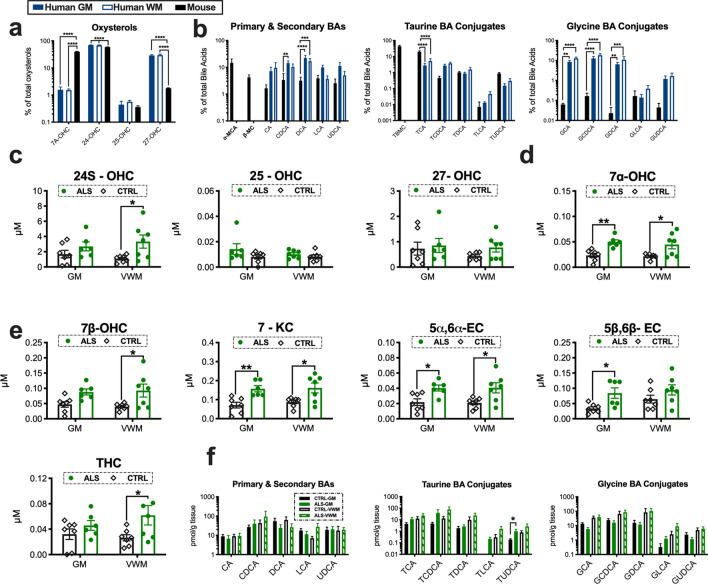
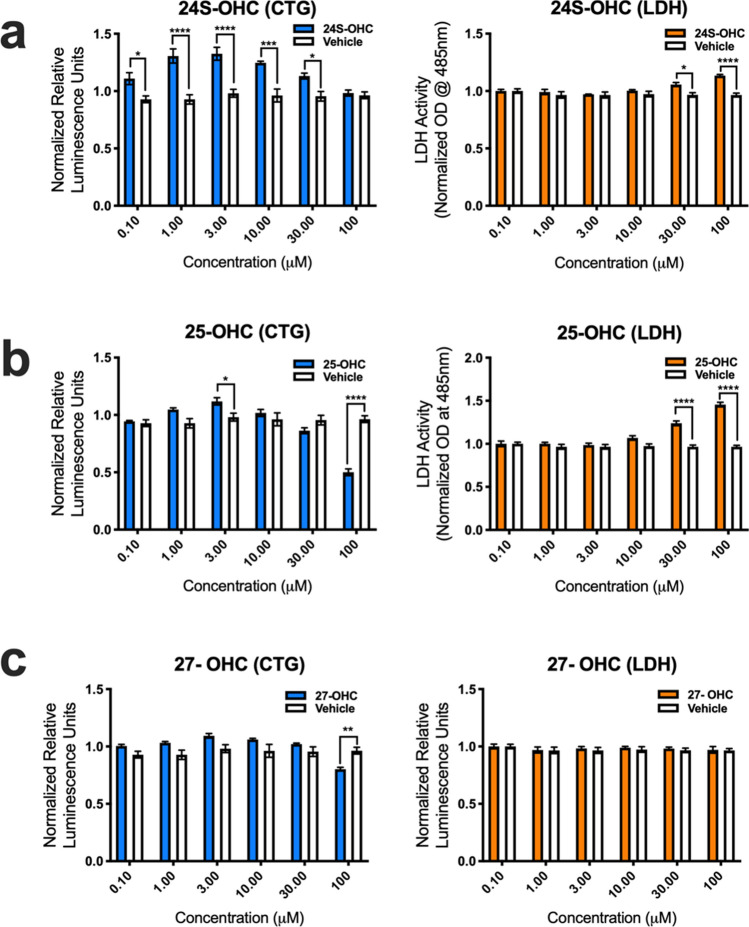
Aberrant cholesterol homeostasis is implicated in the pathogenesis of amyotrophic lateral sclerosis (ALS), a fatal neuromuscular disease that is due to motor neuron (MN) death. Cellular toxicity from excess cholesterol is averted when it is enzymatically oxidized to oxysterols and bile acids (BAs) to promote its removal. In contrast, the auto oxidation of excess cholesterol is often detrimental to cellular survival. Although oxidized metabolites of cholesterol are altered in the blood and CSF of ALS patients, it is unknown if increased cholesterol oxidation occurs in the SC during ALS, and if exposure to oxidized cholesterol metabolites affects human MN viability. Here, we show that in the SOD1 mouse model of ALS that several oxysterols, BAs and auto oxidized sterols are increased in the lumbar SC, plasma, and feces during disease. Similar changes in cholesterol oxidation were found in the cervical SC of sporadic ALS patients. Notably, auto-oxidized sterols, but not oxysterols and BAs, were toxic to iPSC derived human MNs. Thus, increased cholesterol oxidation is a manifestation of ALS and non-regulated sterol oxidation likely contributes to MN death. Developing therapeutic approaches to restore cholesterol homeostasis in the SC may lead to a treatment for ALS.
胆固醇稳态失调与肌萎缩侧索硬化症(ALS)的发病机制有关,ALS 是一种致命的神经肌肉疾病,由运动神经元(MN)死亡引起。当胆固醇被酶氧化为氧化固醇和胆汁酸(BAs)以促进其清除时,过量胆固醇的细胞毒性就会避免。相比之下,过量胆固醇的自动氧化通常对细胞存活有害。尽管 ALS 患者的血液和 CSF 中胆固醇的氧化代谢物发生了改变,但尚不清楚在 ALS 期间 SC 中是否会发生胆固醇氧化增加,以及暴露于氧化胆固醇代谢物是否会影响人 MN 的活力。在这里,我们表明,在 SOD1 小鼠 ALS 模型中,几种氧化固醇、BAs 和自动氧化固醇在疾病期间增加了腰椎 SC、血浆和粪便中的含量。散发性 ALS 患者的颈段 SC 中也发现了类似的胆固醇氧化变化。值得注意的是,自动氧化固醇,但不是氧化固醇和 BAs,对 iPSC 衍生的人 MN 有毒。因此,胆固醇氧化增加是 ALS 的表现,非调节固醇氧化可能导致 MN 死亡。开发恢复 SC 中胆固醇稳态的治疗方法可能会为 ALS 带来治疗方法。