Ferrer-Fàbrega Joana, Fernández-Cruz Laureano
HepatoBiliaryPancreatic Surgery and Liver and Pancreas Transplantation Department, ICMDM, Hospital Clinic Barcelona, University of Barcelona, Barcelona Clinic Liver Cancer Group, August Pi i Sunyer Biomedical Research Institute, Barcelona 08036, Barcelona, Spain.
Department of Surgery, ICMDM, Hospital Clinic Barcelona, Barcelona 08036, Barcelona, Spain.
World J Transplant. 2020 Dec 28;10(12):392-403. doi: 10.5500/wjt.v10.i12.392.
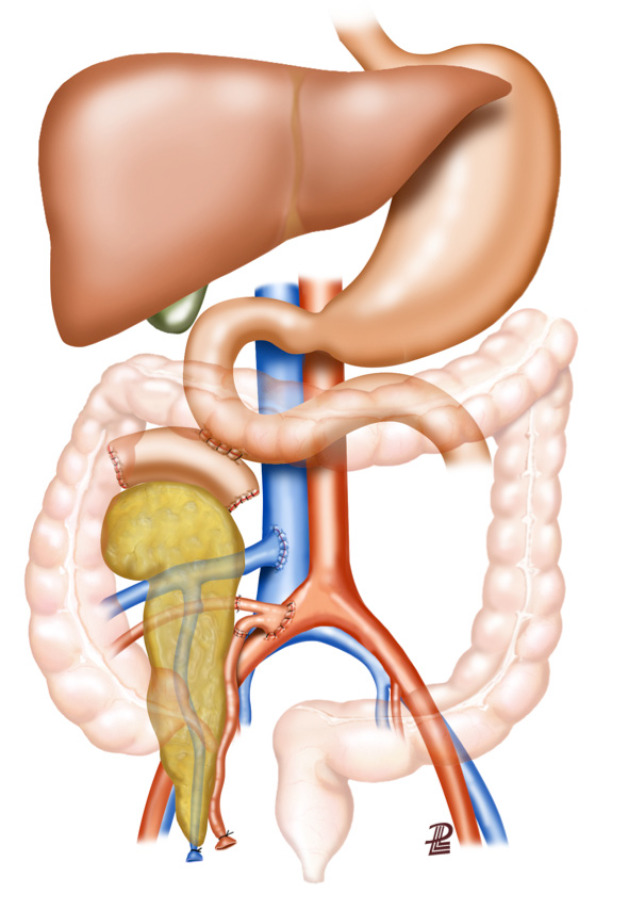
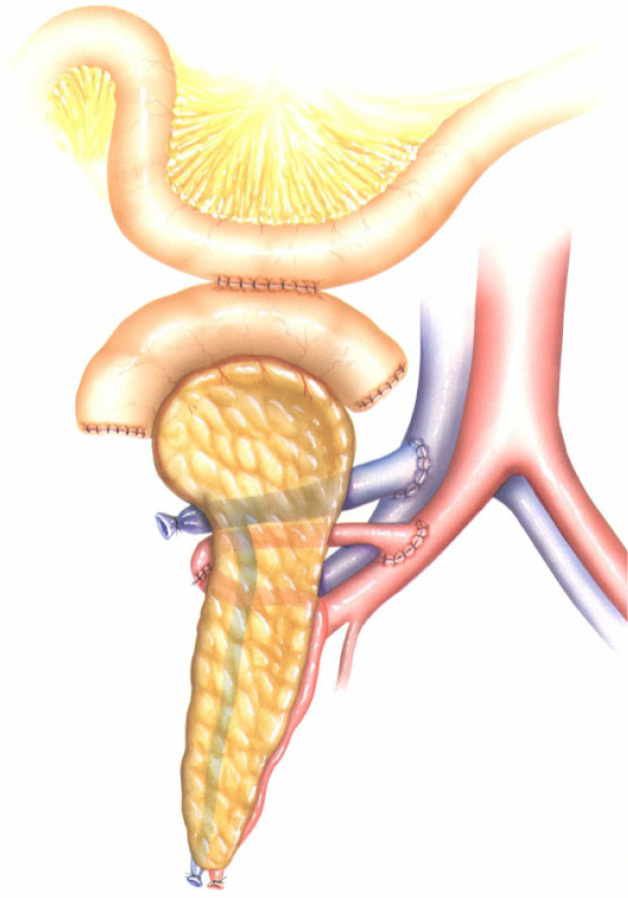
The aim of this minireview is to compare various pancreas transplantation exocrine drainage techniques , bladder enteric. Both techniques have different difficulties and complications. Numerous comparisons have been made in the literature between exocrine drainage techniques throughout the history of pancreas transplantation, detailing complications and their impact on graft and patient survival. Specific emphasis has been made on the early postoperative management of these complications and the related surgical infections and their consequences. In light of the results, a number of bladder-drained pancreas grafts required conversion to enteric drainage. As a result of technical improvements, outcomes of the varied enteric exocrine drainage techniques (duodenojejunostomy, duodenoduodenostomy or gastric drainage) have also been discussed , assessing specific risks benefits. Pancreatic exocrine secretions can be drained to the urinary or intestinal tracts. Until the late 1990s the bladder drainage technique was used in the majority of transplant centers due to ease of monitoring urine amylase and lipase levels for evaluation of possible rejection. Moreover, bladder drainage was associated at that time with fewer surgical complications, which in contrast to enteric drainage, could be managed with conservative therapies. Nowadays, the most commonly used technique for proper driving of exocrine pancreatic secretions is enteric drainage due to the high rate of urological and metabolic complications associated with bladder drainage. Of note, 10% to 40% of bladder-drained pancreata eventually required enteric conversion at no detriment to overall graft survival. Various surgical techniques were originally described using the small bowel for enteric anastomosis with Roux-en-Y loop or a direct side-to-side anastomosis. Despite the improvements in surgery, enteric drainage complication rates ranging from 2%-20% have been reported. Treatment depends on the presence of any associated complications and the condition of the patient. Intra-abdominal infection represents a potentially very serious problem. Up to 30% of deep wound infections are associated with an anastomotic leak. They can lead not only to high rates of graft loss, but also to substantial mortality. New modifications of established techniques are being developed, such as gastric or duodenal exocrine drainage. Duodenoduodenostomy is an interesting option, in which the pancreas is placed behind the right colon and is oriented cephalad. The main concern of this technique is the challenge of repairing the native duodenum when allograft pancreatectomy is necessary. Identification and prevention of technical failure remains the main objective for pancreas transplantation surgeons. In conclusion, despite numerous techniques to minimize exocrine pancreatic drainage complications , leakage and infection, no universal technique has been standardized. A prospective study/registry analysis may resolve this.
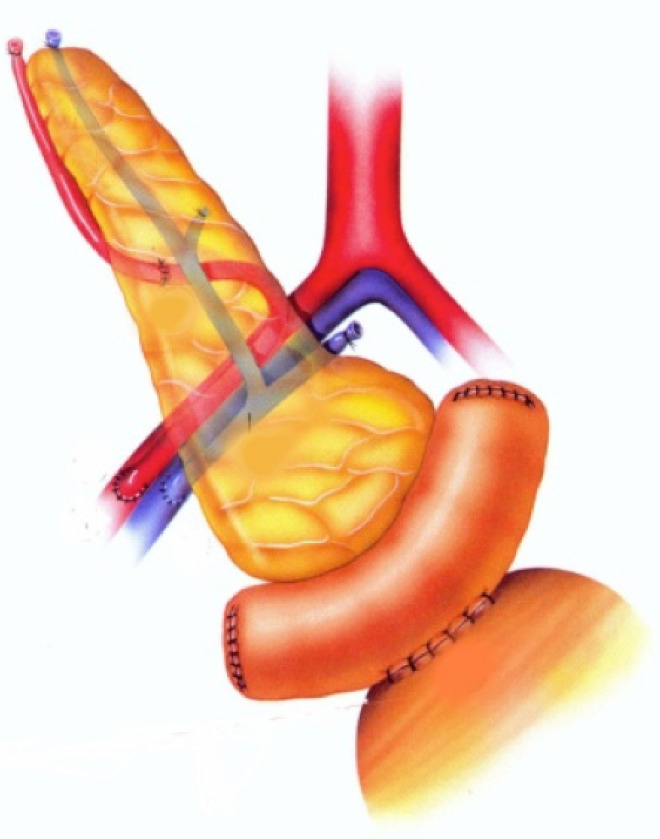
本综述的目的是比较各种胰腺移植外分泌引流技术,即膀胱引流和肠道引流。这两种技术都有不同的难点和并发症。在胰腺移植的历史中,文献对各种外分泌引流技术进行了大量比较,详细阐述了并发症及其对移植物和患者生存的影响。特别强调了这些并发症的术后早期管理以及相关的手术感染及其后果。根据结果,许多膀胱引流的胰腺移植物需要转换为肠道引流。由于技术改进,也讨论了各种肠道外分泌引流技术(十二指肠空肠吻合术、十二指肠十二指肠吻合术或胃引流)的结果,评估了具体的风险和益处。胰腺外分泌可引流至尿路或肠道。直到20世纪90年代末,由于易于监测尿淀粉酶和脂肪酶水平以评估可能的排斥反应,大多数移植中心都采用膀胱引流技术。此外,当时膀胱引流与较少的手术并发症相关,与肠道引流不同,这些并发症可用保守疗法处理。如今,由于膀胱引流相关的泌尿系统和代谢并发症发生率高,最常用的正确引流胰腺外分泌的技术是肠道引流。值得注意的是,10%至40%的膀胱引流胰腺最终需要转换为肠道引流,这对移植物的总体存活并无不利影响。最初描述了各种使用小肠进行肠道吻合的手术技术,采用Roux-en-Y袢或直接侧侧吻合。尽管手术有所改进,但据报道肠道引流并发症发生率在2%至20%之间。治疗取决于是否存在任何相关并发症以及患者的状况。腹腔内感染是一个潜在的非常严重的问题。高达30%的深部伤口感染与吻合口漏有关。它们不仅会导致高比例的移植物丢失,还会导致相当高的死亡率。正在开发现有技术的新改良方法,如胃或十二指肠外分泌引流。十二指肠十二指肠吻合术是一个有趣的选择,即胰腺置于右结肠后方并头侧定向。该技术的主要问题是在需要切除同种异体胰腺时修复自身十二指肠面临的挑战。识别和预防技术失败仍然是胰腺移植外科医生的主要目标。总之,尽管有许多技术可将胰腺外分泌引流并发症、渗漏和感染降至最低,但尚未有通用技术实现标准化。前瞻性研究/登记分析可能会解决这个问题。