School of Earth and Environmental Sciences and Centre for Exoplanet Science, University of St Andrews, St Andrews, KY16 9AL, UK.
Sediment Ecology Research Group, Scottish Oceans Institute, School of Biology, University of St Andrews, St Andrews, KY16 8LB, UK.
Microb Ecol. 2021 Aug;82(2):442-458. doi: 10.1007/s00248-020-01672-w. Epub 2021 Jan 13.
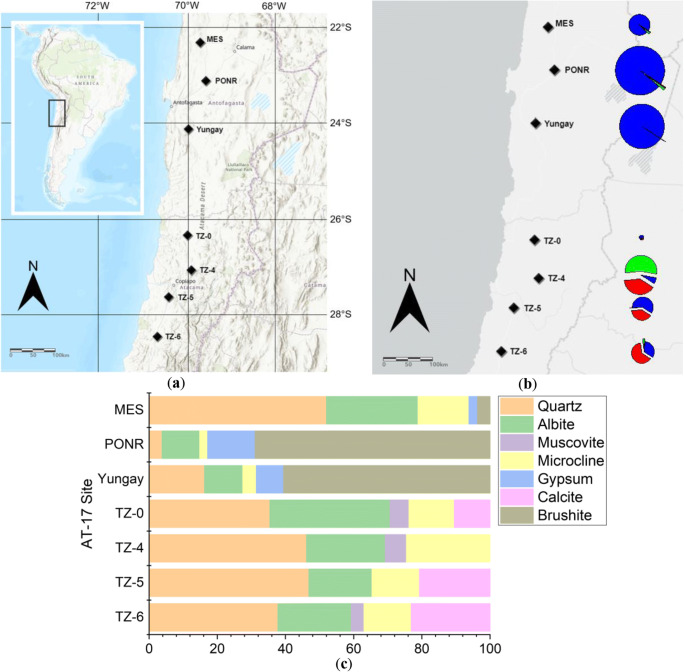
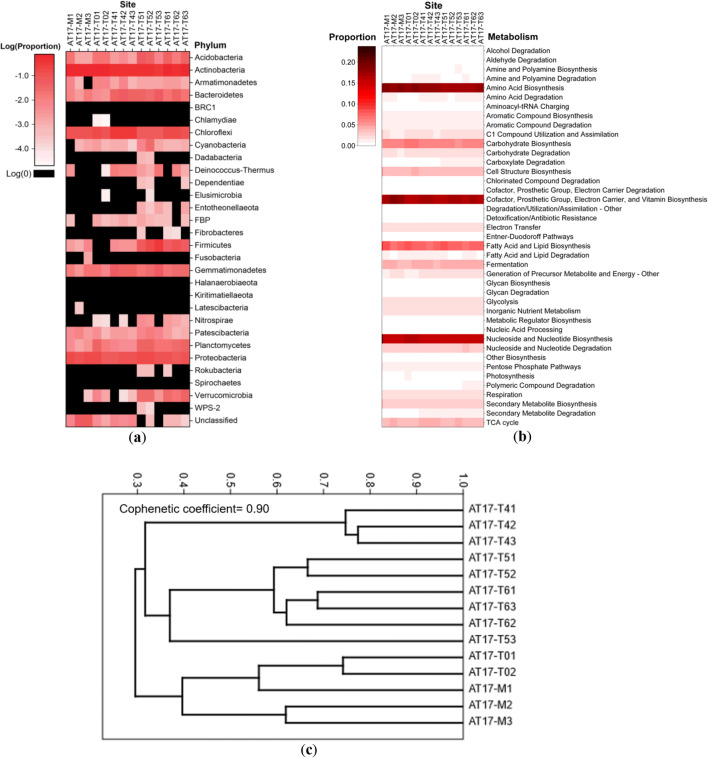
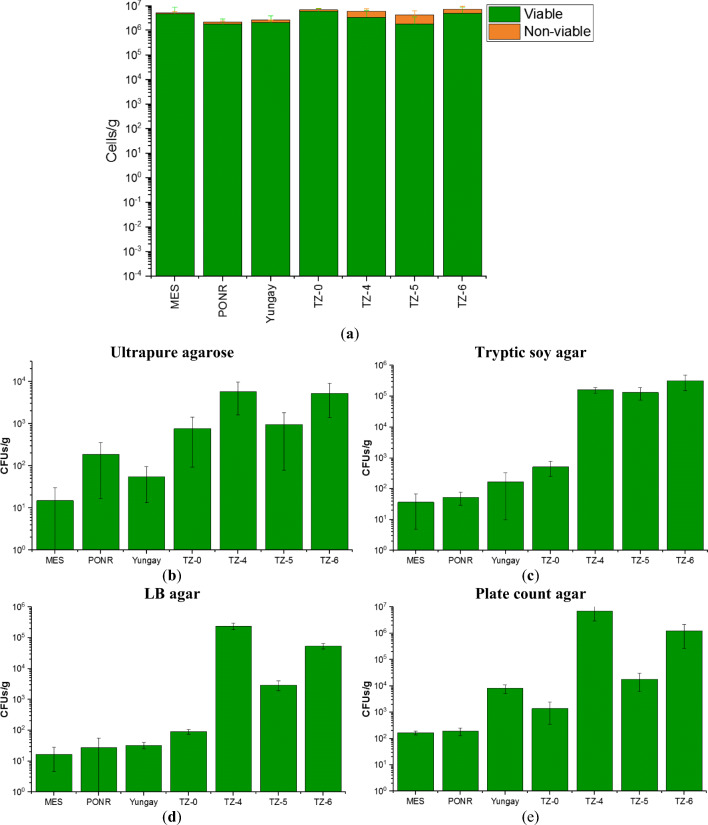
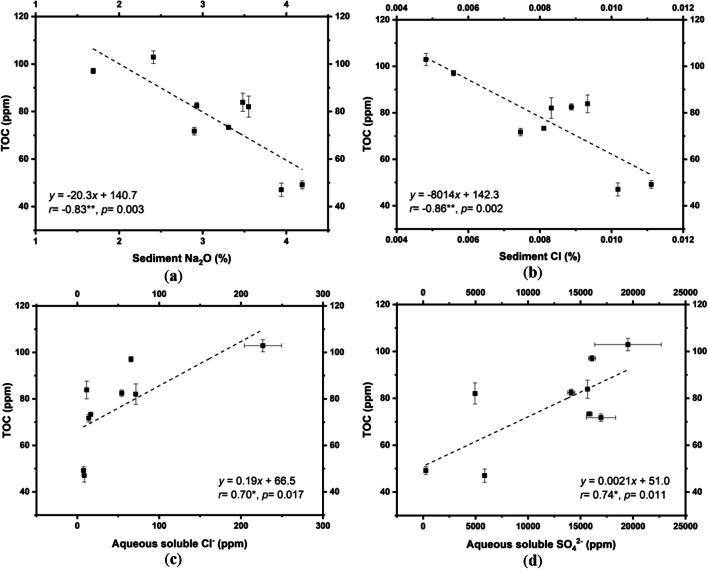
Over the past 150 million years, the Chilean Atacama Desert has been transformed into one of the most inhospitable landscapes by geophysical changes, which makes it an ideal Mars analog that has been explored for decades. However, a heavy rainfall that occurred in the Atacama in 2017 provides a unique opportunity to study the response of resident extremophiles to rapid environmental change associated with excessive water and salt shock. Here we combine mineral/salt composition measurements, amendment cell culture experiments, and next-generation sequencing analyses to study the variations in salts and microbial communities along a latitudinal aridity gradient of the Atacama Desert. In addition, we examine the reshuffling of Atacama microbiomes after the rainfall event. Analysis of microbial community composition revealed that soils within the southern arid desert were consistently dominated by Actinobacteria, Chloroflexi, Proteobacteria, Firmicutes, Bacteroidetes, Gemmatimonadetes, Planctomycetes, and Acidobacteria, and Verrucomicrobia. Intriguingly, the hyperarid microbial consortia exhibited a similar pattern to the more southern desert. Salts at the shallow subsurface were dissolved and leached down to a deeper layer, challenging indigenous microorganisms with the increasing osmotic stress. Microbial viability was found to change with aridity and rainfall events. This study sheds light on the structure of xerotolerant, halotolerant, and radioresistant microbiomes from the hyperarid northern desert to the less arid southern transition region, as well as their response to changes in water availability.
在过去的 1.5 亿年中,由于地球物理变化,智利阿塔卡马沙漠已经变成了最不适宜居住的景观之一,这使得它成为一个理想的火星模拟地,并已经被探索了几十年。然而,2017 年阿塔卡马发生的一场暴雨为研究居住在极端环境中的微生物对与过量水和盐冲击相关的快速环境变化的反应提供了一个独特的机会。在这里,我们结合矿物/盐组成测量、添加细胞培养实验和下一代测序分析,研究了阿塔卡马沙漠沿纬度干旱梯度的盐度和微生物群落的变化。此外,我们还研究了降雨事件后阿塔卡马微生物组的重新排列。微生物群落组成的分析表明,南部干旱沙漠的土壤始终以放线菌、绿弯菌门、变形菌门、厚壁菌门、拟杆菌门、芽单胞菌门、浮霉菌门和酸杆菌门以及疣微菌门为主。有趣的是,超干旱微生物群落表现出与更南部沙漠相似的模式。浅层地下的盐分被溶解并淋滤到更深的一层,增加了渗透压力,对土著微生物构成挑战。微生物的生存能力被发现随着干旱和降雨事件而变化。本研究揭示了从超干旱北部沙漠到较不干旱南部过渡区的耐旱、耐盐和耐辐射微生物组的结构,以及它们对水分可用性变化的反应。