Department of Biology, Howard University, 415 College St. NW. EE Just Hall - Biology Building, Washington, DC, 20059, USA.
Laboratory of Immunology and Molecular Biology, Federal University of Sergipe, Aracaju, Brazil.
Sci Rep. 2021 Jan 13;11(1):946. doi: 10.1038/s41598-020-79068-6.
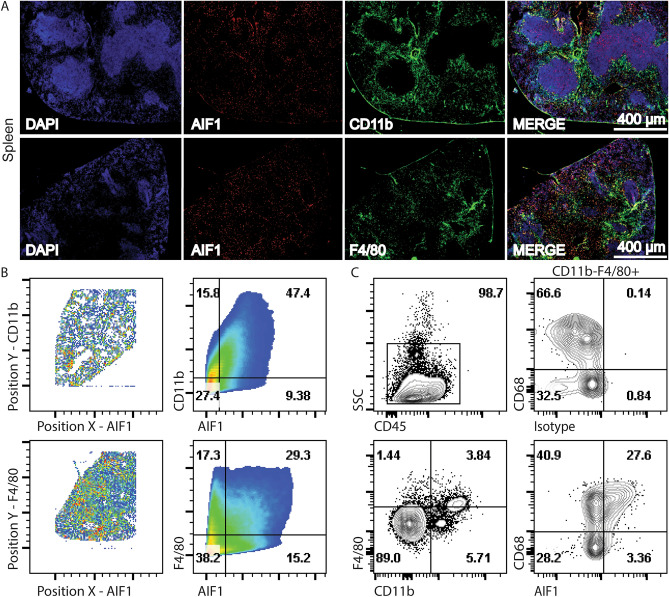
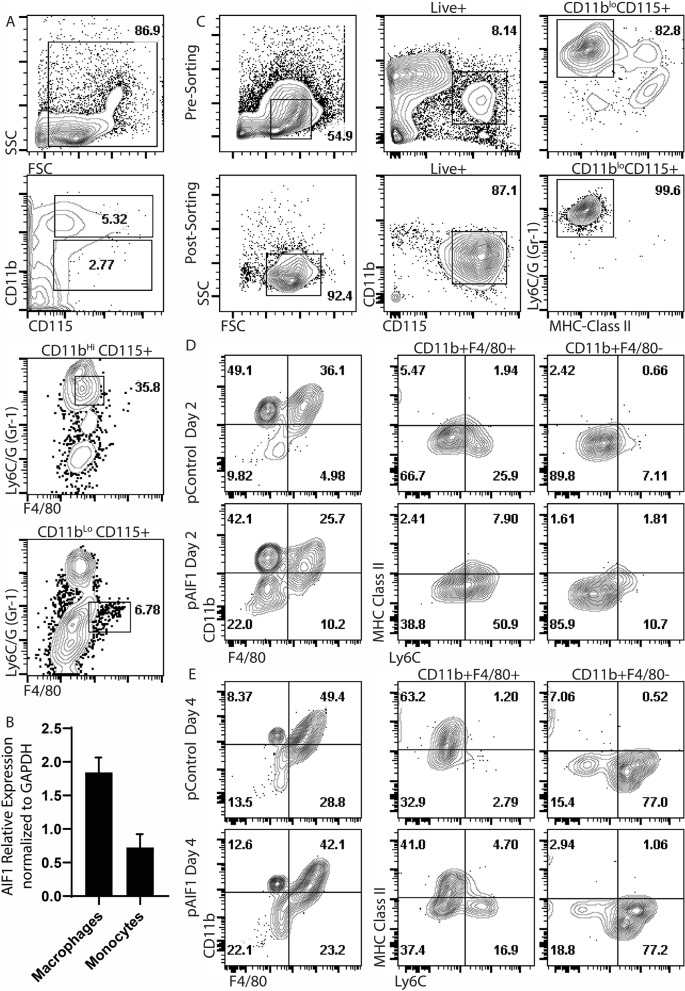
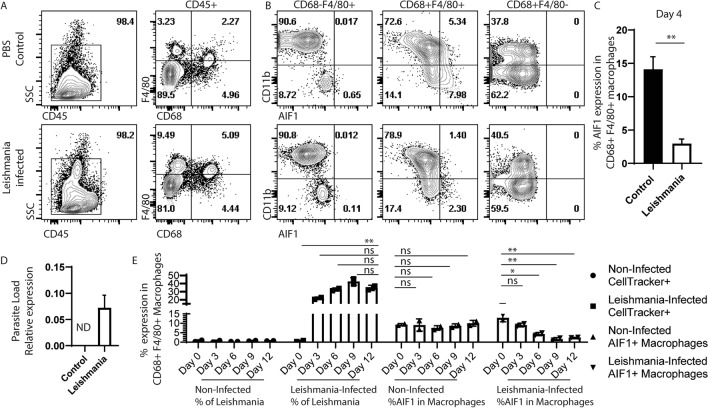
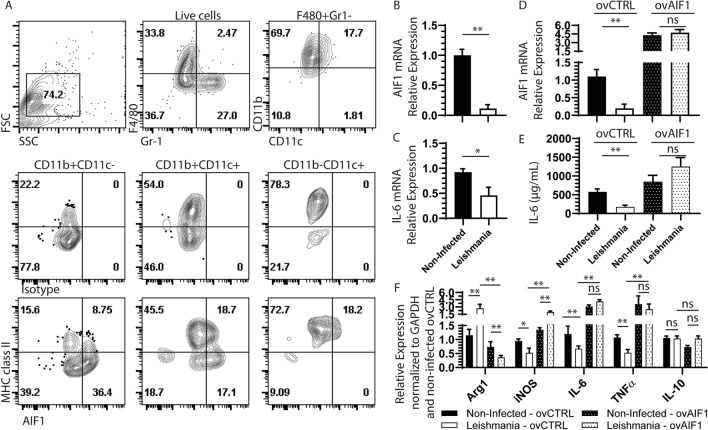
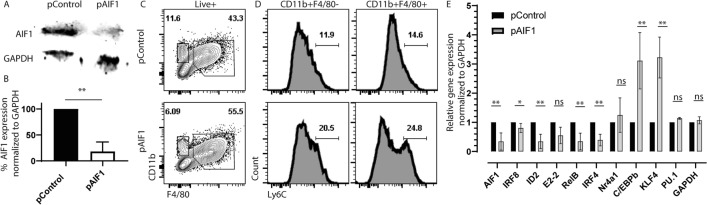
Macrophages and monocytes are important for clearance of Leishmania infections. However, immune evasion tactics employed by the parasite results in suppressed inflammatory responses, marked by deficient macrophage functions and increased accumulation of monocytes. This results in an ineffective ability to clear parasite loads. Allograft Inflammatory Factor-1 (AIF1) is expressed in myeloid cells and serves to promote immune responses. However, AIF1 involvement in monocyte and macrophage functions during parasitic infections has not been explored. This study now shows that Leishmania donovani inhibits AIF1 expression in macrophages to block pro-inflammatory responses. Mice challenged with the parasite had markedly reduced AIF1 expression in splenic macrophages. Follow-up studies using in vitro approaches confirmed that L. donovani infection in macrophages suppresses AIF1 expression, which correlated with reduction in pro-inflammatory cytokine production and increased parasite load. Ectopic overexpression of AIF1 in macrophages provided protection from infection, marked by robust pro-inflammatory cytokine production and efficient pathogen clearance. Further investigations found that inhibiting AIF1 expression in bone marrow cells or monocytes impaired differentiation into functional macrophages. Collectively, results show that AIF1 is a critical regulatory component governing monocyte and macrophage immune functions and that L. donovani infection can suppress the gene as an immune evasion tactic.
巨噬细胞和单核细胞对于清除利什曼原虫感染很重要。然而,寄生虫采用的免疫逃避策略会导致炎症反应受到抑制,表现为巨噬细胞功能缺陷和单核细胞积累增加。这导致清除寄生虫负荷的能力降低。异体炎性因子-1(AIF1)在髓样细胞中表达,有助于促进免疫反应。然而,AIF1 在寄生虫感染期间对单核细胞和巨噬细胞功能的参与尚未得到探索。本研究表明,杜氏利什曼原虫抑制巨噬细胞中的 AIF1 表达以阻断促炎反应。感染寄生虫的小鼠脾脏巨噬细胞中的 AIF1 表达明显降低。随后使用体外方法进行的研究证实,杜氏利什曼原虫感染巨噬细胞会抑制 AIF1 的表达,这与促炎细胞因子产生减少和寄生虫负荷增加有关。AIF1 在巨噬细胞中的异位过表达为感染提供了保护,表现为促炎细胞因子的大量产生和病原体的有效清除。进一步的研究发现,抑制骨髓细胞或单核细胞中的 AIF1 表达会损害其分化为功能性巨噬细胞的能力。总之,结果表明 AIF1 是调节单核细胞和巨噬细胞免疫功能的关键调节成分,而利什曼原虫感染可以作为一种免疫逃避策略来抑制该基因。