Institute of Molecular and Clinical Immunology, Health Campus Immunology Infectiology and Inflammation (GC-I3), Otto-von-Guericke-University, Magdeburg, Germany.
Dynamics of Immune Responses Unit, Department of Immunology, Institut Pasteur, Paris, France.
PLoS Pathog. 2018 Oct 22;14(10):e1007374. doi: 10.1371/journal.ppat.1007374. eCollection 2018 Oct.
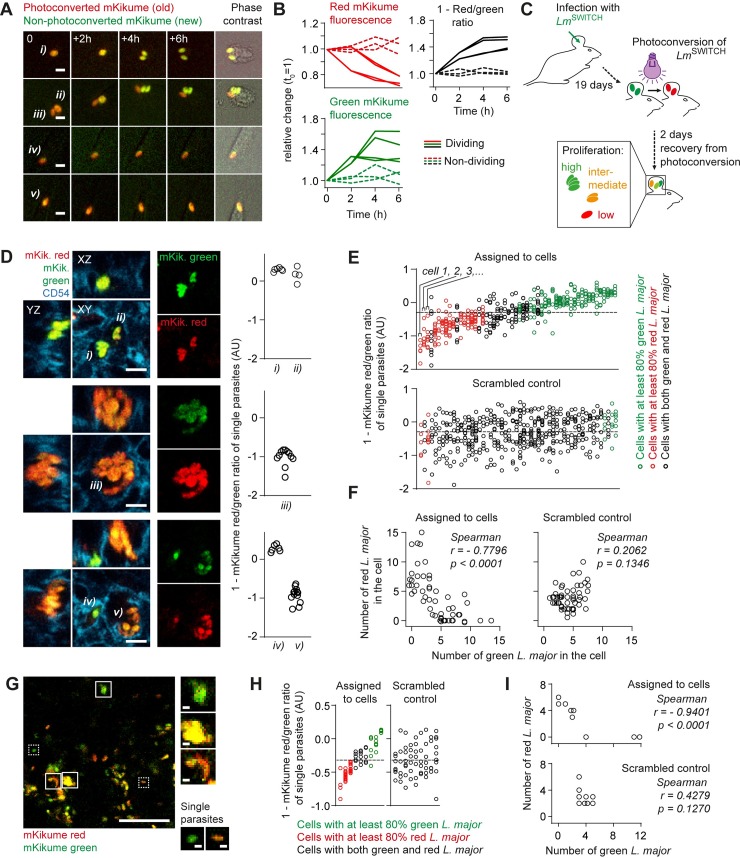
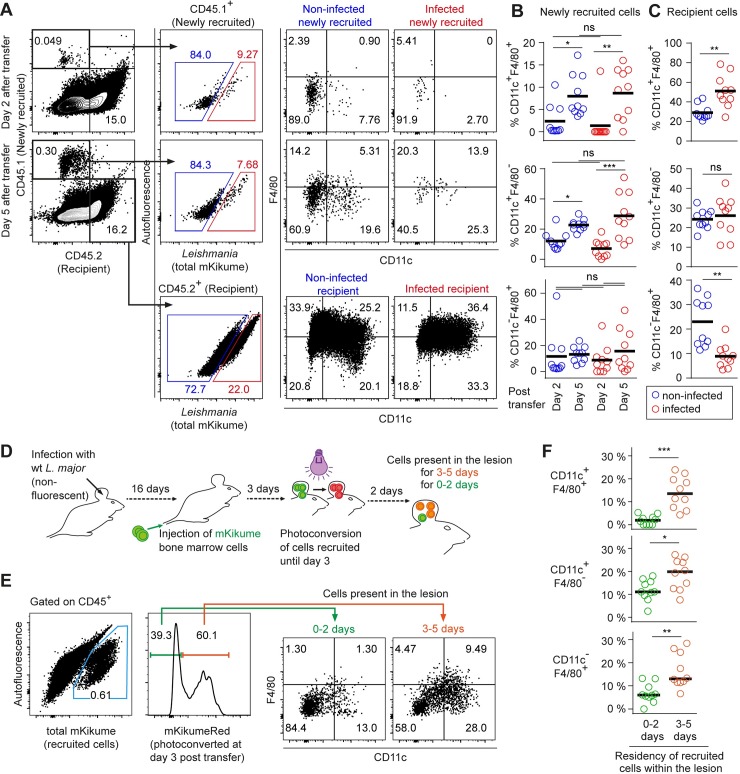
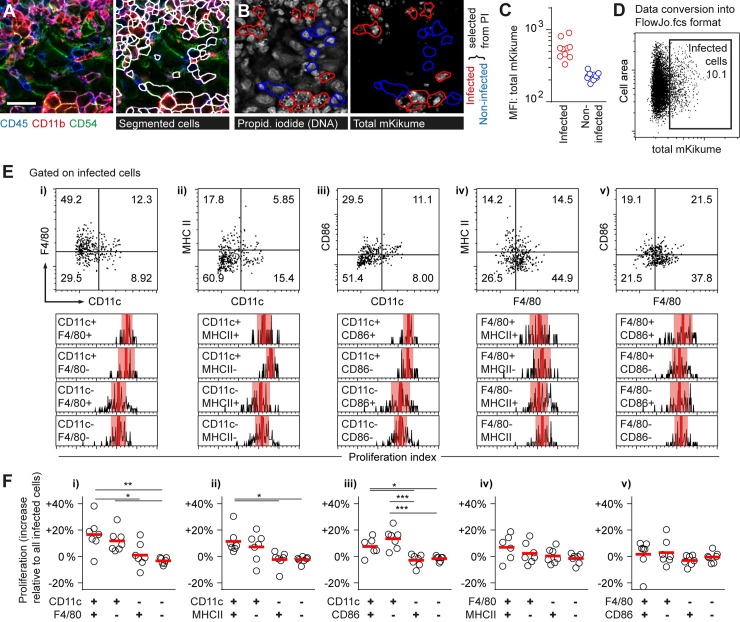
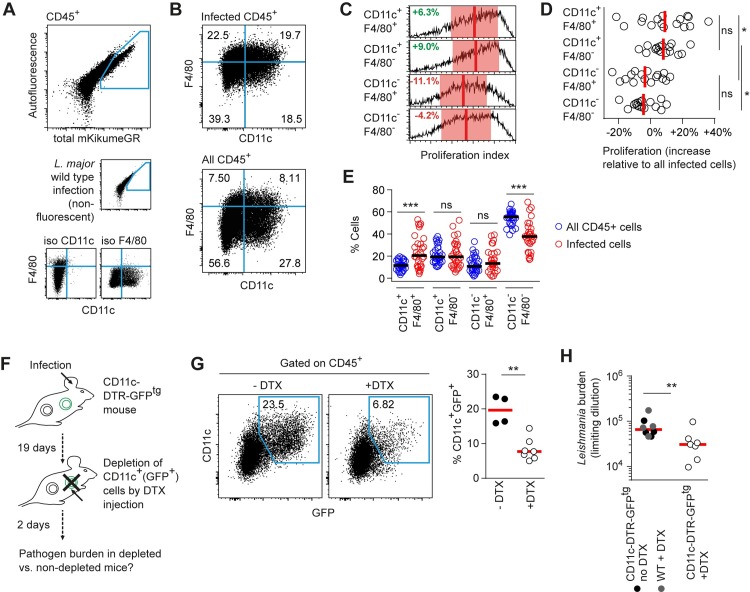
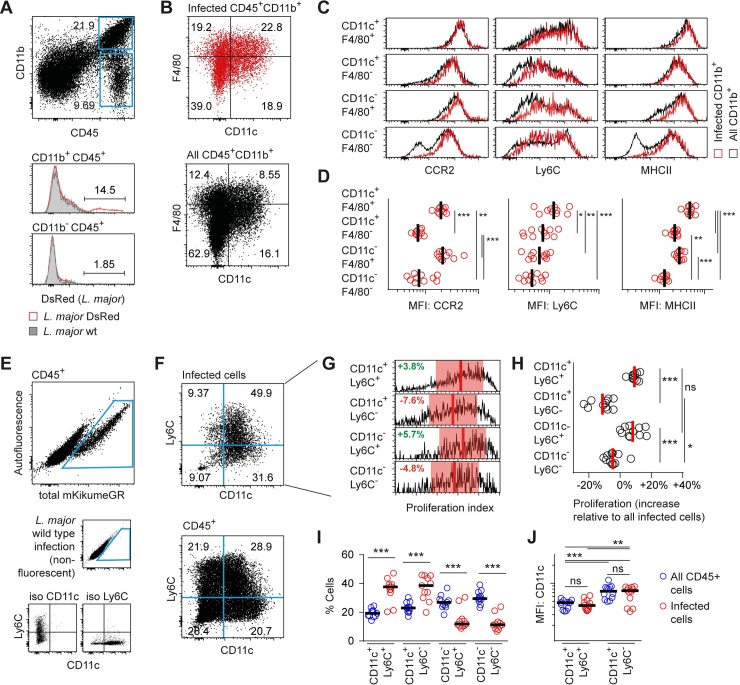
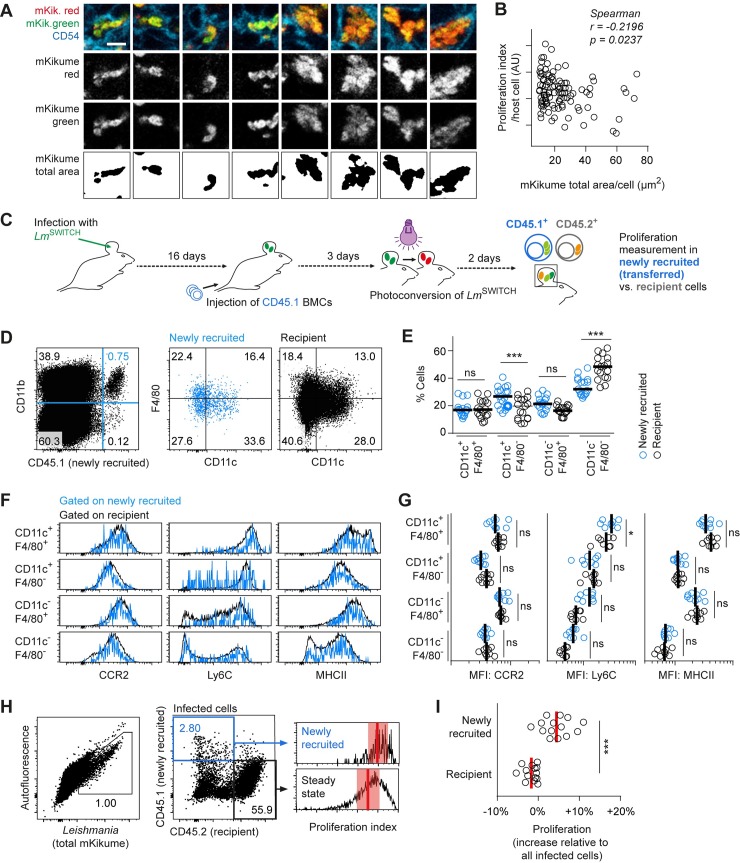
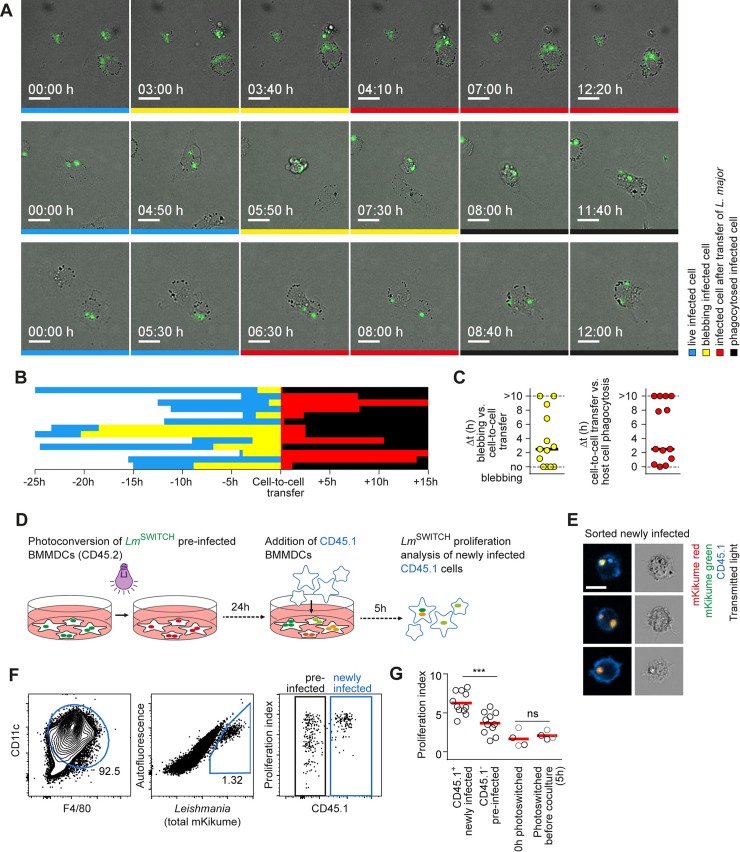
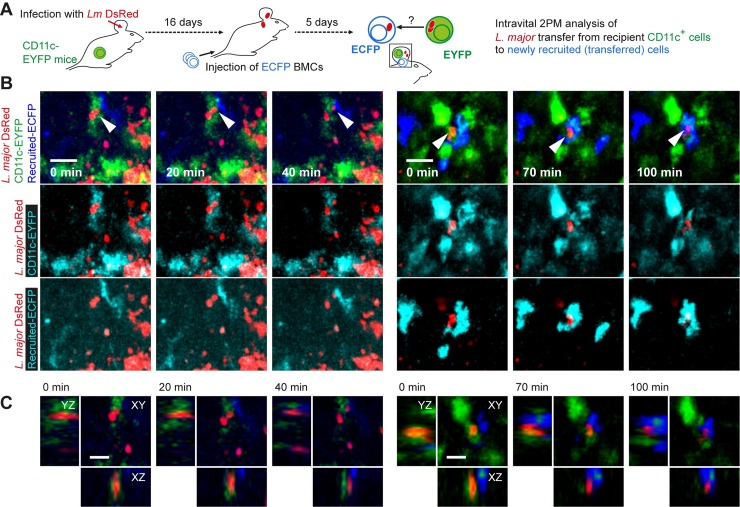
The virulence of intracellular pathogens such as Leishmania major (L. major) relies largely on their ability to undergo cycles of replication within phagocytes, release, and uptake into new host cells. While all these steps are critical for successful establishment of infection, neither the cellular niche of efficient proliferation, nor the spread to new host cells have been characterized in vivo. Here, using a biosensor for measuring pathogen proliferation in the living tissue, we found that monocyte-derived Ly6C+CCR2+ phagocytes expressing CD11c constituted the main cell type harboring rapidly proliferating L. major in the ongoing infection. Synchronization of host cell recruitment and intravital 2-photon imaging showed that these high proliferating parasites preferentially underwent cell-to-cell spread. However, newly recruited host cells were infected irrespectively of their cell type or maturation state. We propose that among these cells, CD11c-expressing monocytes are most permissive for pathogen proliferation, and thus mainly fuel the cycle of intracellular proliferation and cell-to-cell transfer during the acute infection. Thus, besides the well-described function for priming and activating T cell effector functions against L. major, CD11c-expressing monocyte-derived cells provide a reservoir for rapidly proliferating parasites that disseminate at the site of infection.
胞内病原体(如利什曼原虫)的毒力在很大程度上依赖于其在吞噬细胞内复制、释放和摄取进入新宿主细胞的能力。虽然所有这些步骤对成功建立感染都至关重要,但在体内尚未对有效增殖的细胞生态位以及向新宿主细胞的传播进行表征。在这里,我们使用一种生物传感器来测量活组织中病原体的增殖,发现表达 CD11c 的单核细胞衍生的 Ly6C+CCR2+吞噬细胞构成了携带持续感染中快速增殖的利什曼原虫的主要细胞类型。宿主细胞募集的同步化和活体双光子成像显示,这些高增殖寄生虫优先进行细胞间传播。然而,新招募的宿主细胞被感染,而与它们的细胞类型或成熟状态无关。我们提出,在这些细胞中,表达 CD11c 的单核细胞对病原体的增殖最具容纳性,因此主要为急性感染期间的细胞内增殖和细胞间转移循环提供动力。因此,除了众所周知的对抗利什曼原虫的 T 细胞效应功能的启动和激活作用外,表达 CD11c 的单核细胞衍生细胞还为在感染部位传播的快速增殖寄生虫提供了一个储库。