Purwanto Ibnu, Heriyanto Didik Setyo, Widodo Irianiwati, Hakimi Mohammad, Hardianti Mardiah Suci, Aryandono Teguh, Haryana Sofia Mubarika
Division of Hematology and Medical Oncology, Department of Internal Medicine, Faculty of Medicine, Public Health, and Nursing, Gadjah Mada University/Dr Sardjito Hospital, Yogyakarta, Indonesia.
Department of Anatomical Pathology, Faculty of Medicine, Public Health, and Nursing, Gadjah Mada University/Dr Sardjito Hospital, Yogyakarta, Indonesia.
Breast Cancer (Dove Med Press). 2021 Jan 6;13:1-7. doi: 10.2147/BCTT.S291014. eCollection 2021.
Determining the optimal strategy to implement systemic treatment modalities has been challenging in triple-negative breast cancer (TNBC). We aim to investigate the role of microRNA-223 (miR-223) as prognostic factor and predictor of response toward chemotherapy in TNBC.
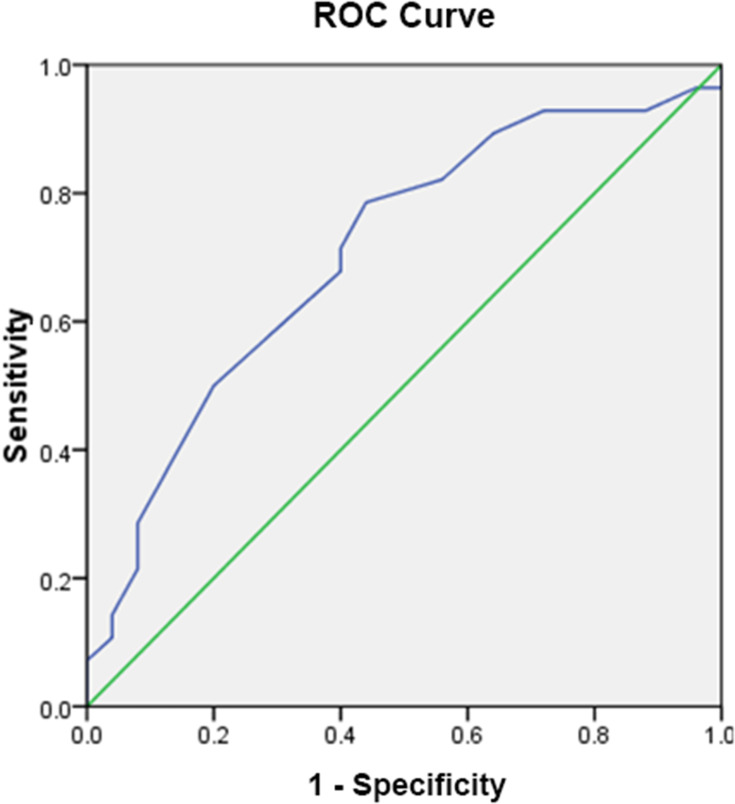
We retrospectively analyzed the association of pretreatment miR-223 expression with clinicopathologic characteristics and 36-month overall survival (OS) of 53 all stages TNBC patients. Tumor level of miR-223 was measured using real-time quantitative polymerase chain reaction (expressed in fold change). Cutoff value for miR-223 was determined by using receiver operating curve (ROC). Kaplan-Meier curve was used to perform survival analysis.
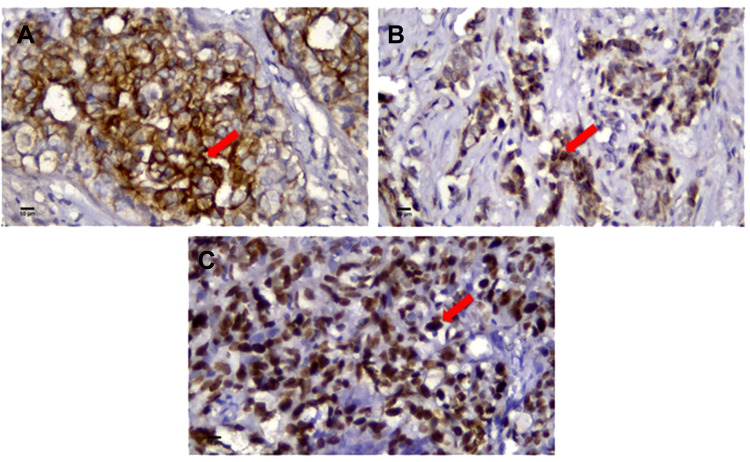
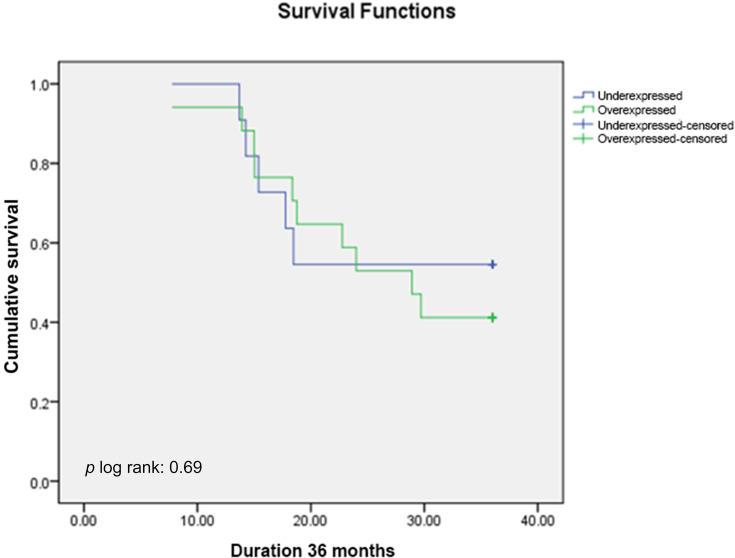
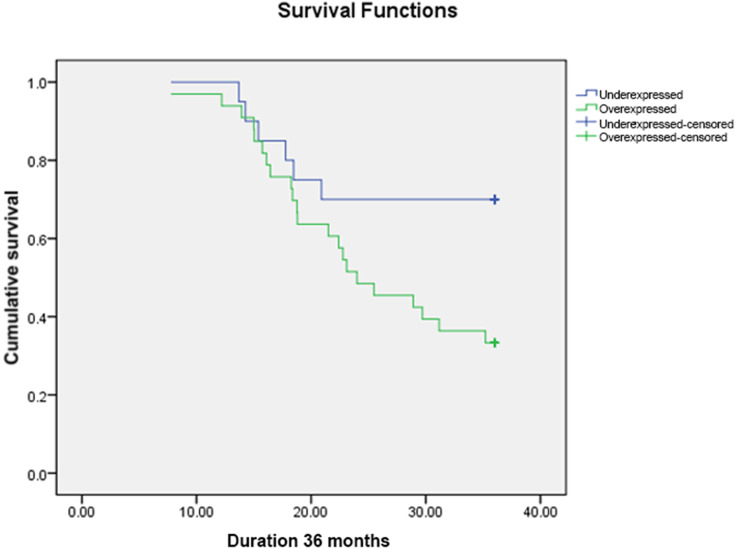
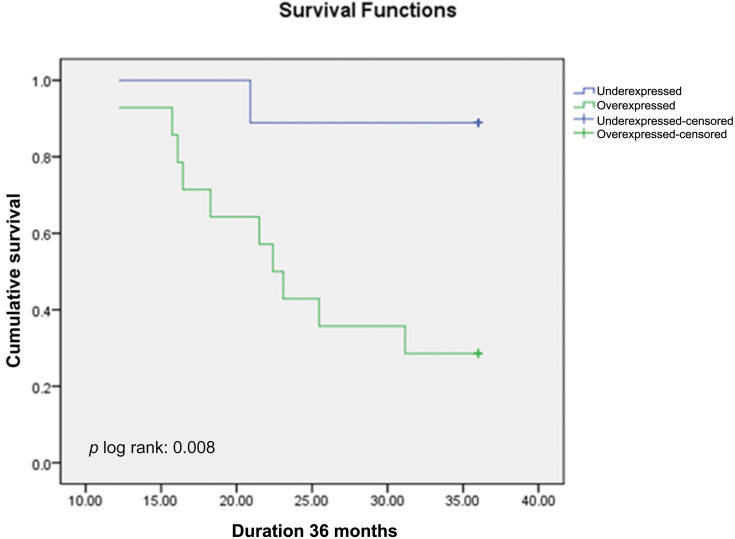
The optimum cutoff value for miR-223 was 23.435 (AUC: 0.706, 95%CI: 0.565-0.848; :0.01; sensitivity: 78.6%; specificity: 56%) and was used to categorize mir-223 expression into over- and underexpressed group. Overexpression of miR-223 was associated with increased expression of EGFR (69.7% vs 35%, : 0.022) and lower 36-month OS (33.3% vs 70%; median OS±SE (months): 25.66±1.58 vs 30.23±1.99; log rank <0.05). Worse survival is observed in miR-223 overexpressed group receiving platinum-based chemotherapy compared to miR-223 underexpressed group (mean OS (95%CI) months: 24.7 (20.3-29.1) vs 34.3 (31.2-37.4); <0.01), while no significant difference observed in non-platinum containing regimen. No significant association was observed between miR-223 expression with other clinicopathologic characteristics.
Overexpression of miR-223 is associated with increased expression of EGFR, worse prognosis, and resistance toward platinum-based chemotherapy in Indonesian TNBC patients.
在三阴性乳腺癌(TNBC)中,确定实施全身治疗模式的最佳策略一直具有挑战性。我们旨在研究微小RNA-223(miR-223)作为TNBC预后因素及化疗反应预测指标的作用。
我们回顾性分析了53例各期TNBC患者治疗前miR-223表达与临床病理特征及36个月总生存期(OS)的相关性。使用实时定量聚合酶链反应测量miR-223的肿瘤水平(以倍数变化表示)。通过使用受试者工作特征曲线(ROC)确定miR-223的临界值。采用Kaplan-Meier曲线进行生存分析。
miR-223的最佳临界值为23.435(曲线下面积:0.706,95%置信区间:0.565 - 0.848;P = 0.01;敏感性:78.6%;特异性:56%),并用于将miR-223表达分为过表达组和低表达组。miR-223过表达与表皮生长因子受体(EGFR)表达增加相关(69.7%对35%,P = 0.022),且36个月总生存期较低(33.3%对70%;总生存期中位数±标准误(月):25.66±1.58对30.23±1.99;对数秩检验P<0.05)。与miR-223低表达组相比,接受铂类化疗的miR-223过表达组生存期更差(平均总生存期(95%置信区间)月:24.7(20.3 - 29.1)对34.3(31.2 - 37.4);P<0.01),而在不含铂的方案中未观察到显著差异。miR-223表达与其他临床病理特征之间未观察到显著相关性。
在印度尼西亚TNBC患者中,miR-223过表达与EGFR表达增加、预后较差及对铂类化疗耐药相关。