Han Jingluan, Wang Xiaoyu, Wang Fengpin, Zhao Zhe, Li Gousi, Zhu Xiaoyuan, Su Jing, Chen Letian
State Key Laboratory for Conservation and Utilization of Subtropical Agro-Bioresources, South China Agricultural University, Guangzhou, 510642, China.
Guangdong Provincial Key Laboratory of Protein Function and Regulation in Agricultural Organisms, South China Agricultural University, Guangzhou, 510642, China.
Rice (N Y). 2021 Jan 14;14(1):12. doi: 10.1186/s12284-021-00453-4.
Avr-Pita was the first effector identified in the blast fungus (Magnaporthe oryzae)-rice (Oryza sativa) pathosystem. However, the molecular mechanism underlying its effects on the host plant has remained a long-standing mystery.
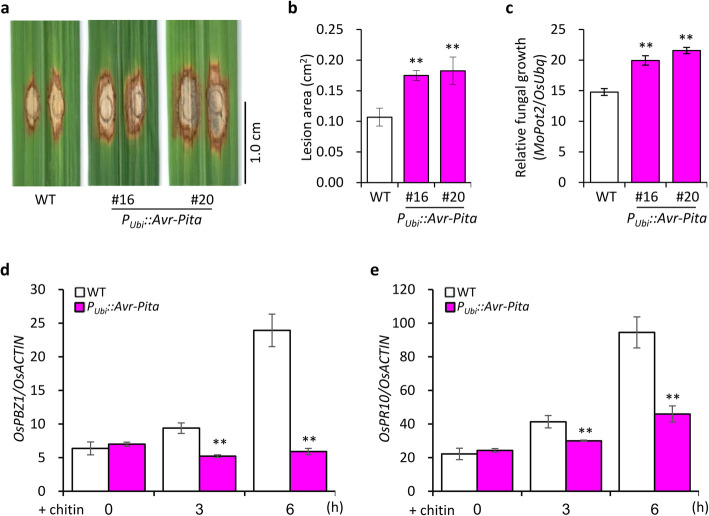
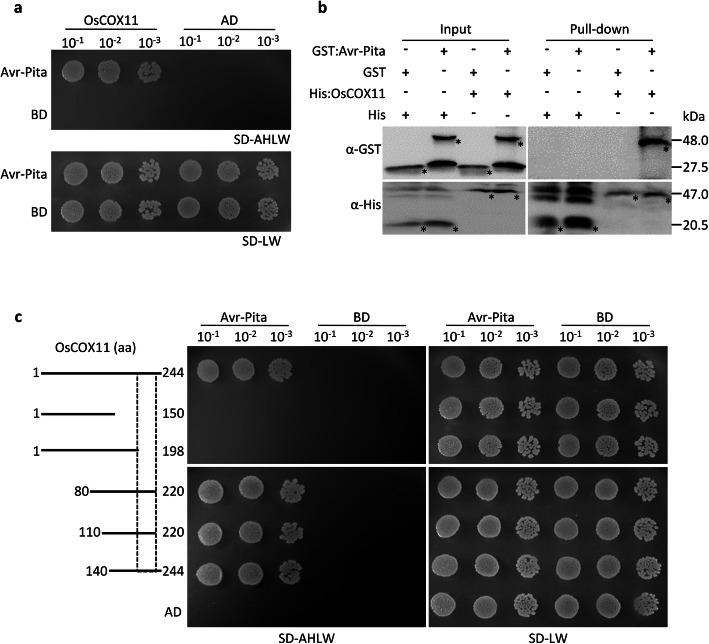
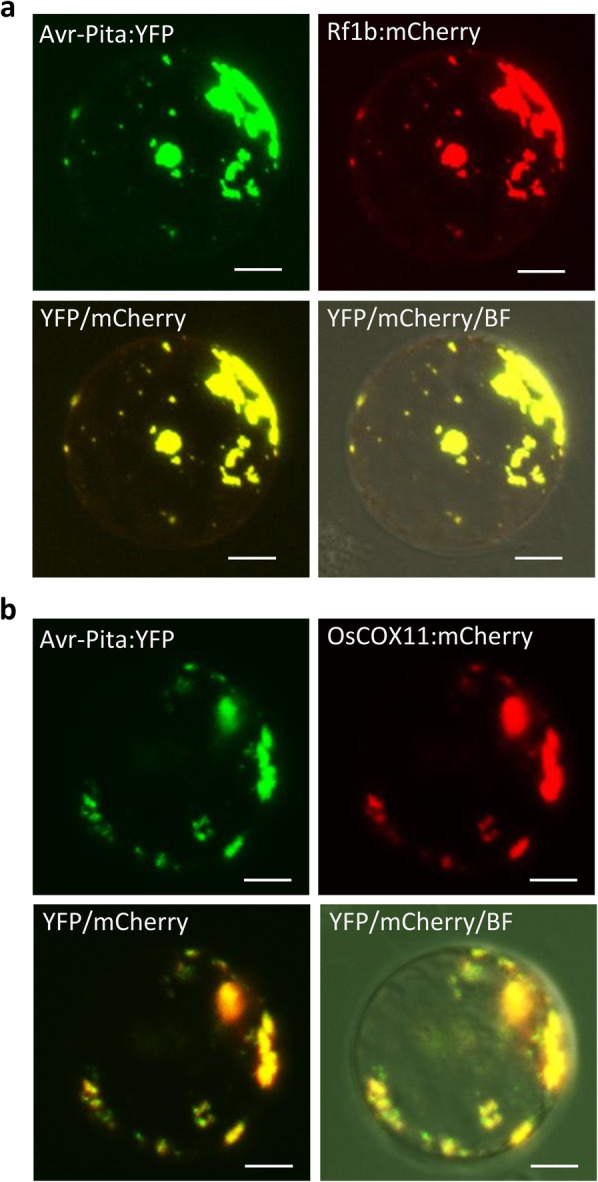
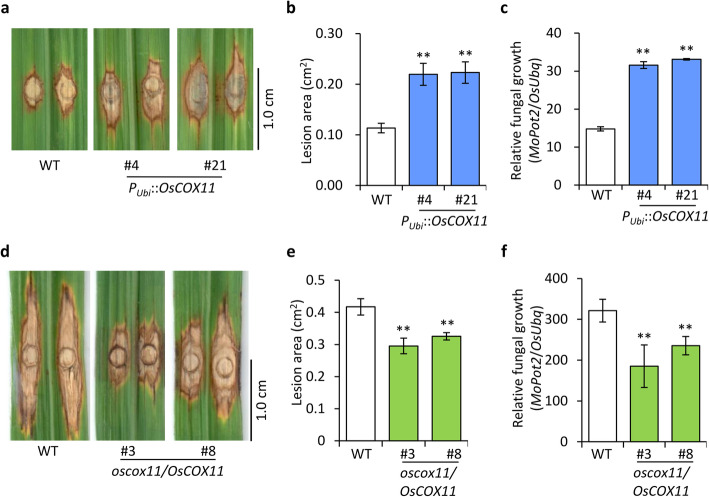
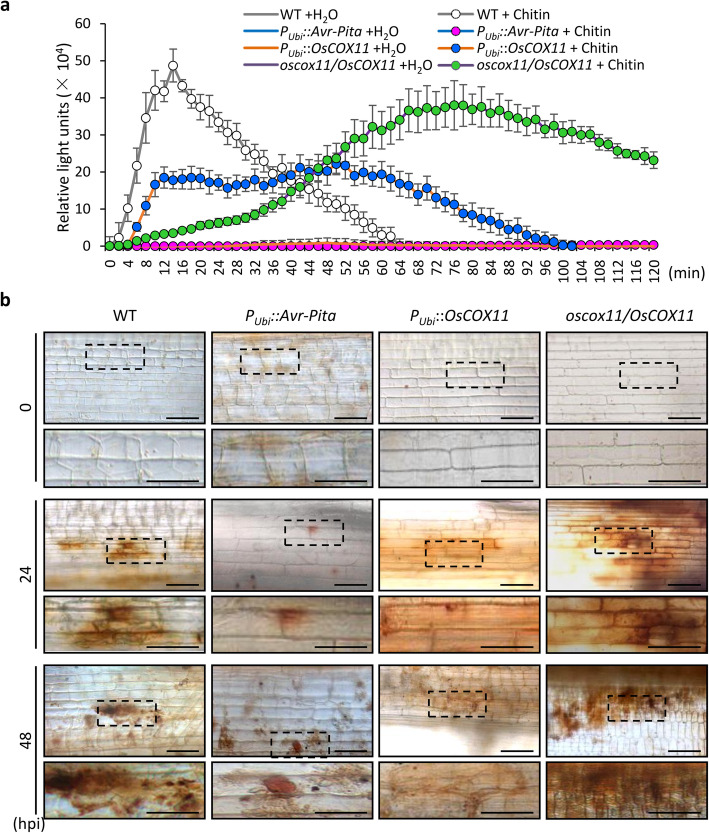
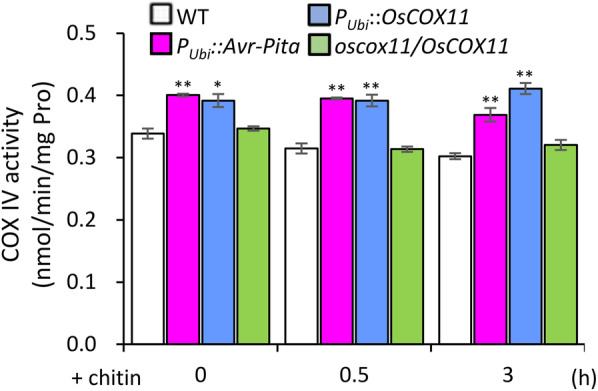
Here, we report that ectopically expressing Avr-Pita in rice enhances susceptibility to M. oryzae and suppresses pathogen-associated molecular pattern (PAMP)-triggered defense responses. Avr-Pita targets the host mitochondria and interacts with the cytochrome c oxidase (COX) assembly protein OsCOX11, a key regulator of mitochondrial reactive oxygen species (ROS) metabolism in rice. Overexpressing Avr-Pita or OsCOX11 increased COX activity and decreased ROS accumulation triggered by the fungal PAMP chitin. OsCOX11-overexpressing plants showed increased susceptibility to M. oryzae, whereas OsCOX11-knockdown plants showed resistance to M. oryzae.
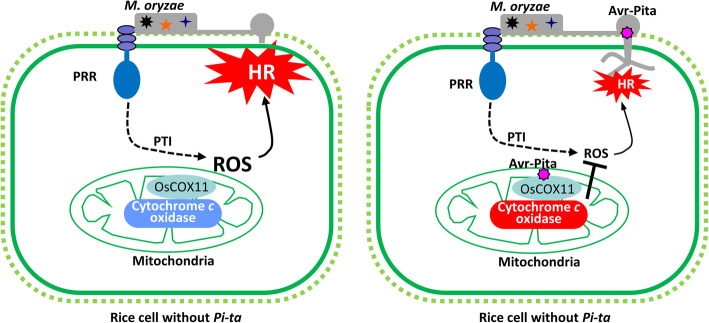
Taken together, these findings suggest that the fungal pathogen M. oryzae delivers the effector Avr-Pita to the host plant, where it enhances COX activity thus decreasing ROS accumulation. Therefore, this effector suppresses host innate immunity by perturbing ROS metabolism in the mitochondria.
Avr - Pita是在稻瘟病菌(Magnaporthe oryzae)-水稻(Oryza sativa)互作体系中鉴定出的首个效应蛋白。然而,其对宿主植物产生作用的分子机制一直是个长期未解之谜。
在此,我们报道在水稻中异位表达Avr - Pita会增强对稻瘟病菌的易感性,并抑制病原体相关分子模式(PAMP)触发的防御反应。Avr - Pita靶向宿主线粒体,并与细胞色素c氧化酶(COX)组装蛋白OsCOX11相互作用,OsCOX11是水稻线粒体活性氧(ROS)代谢的关键调节因子。过表达Avr - Pita或OsCOX11会增加COX活性,并减少由真菌PAMP几丁质触发的ROS积累。过表达OsCOX11的植物对稻瘟病菌的易感性增加,而敲低OsCOX11的植物对稻瘟病菌表现出抗性。
综上所述,这些发现表明真菌病原体稻瘟病菌将效应蛋白Avr - Pita传递到宿主植物中,在那里它增强COX活性从而减少ROS积累。因此,这种效应蛋白通过干扰线粒体中的ROS代谢来抑制宿主的先天免疫。