Sergi Luana, Mingione Emanuele, Ricci Maria Carla, Cavallaro Antonella, Russo Ferdinando, Corrivetti Giulio, Operto Francesca Felicia, Frolli Alessandro
ASL (Local Health Authority) of Caserta, 81100 Caserta, Italy.
Disability Research Centre, University of International Studies in Rome, 00147 Roma, Italy.
Pediatr Rep. 2021 Jan 5;13(1):35-44. doi: 10.3390/pediatric13010005.
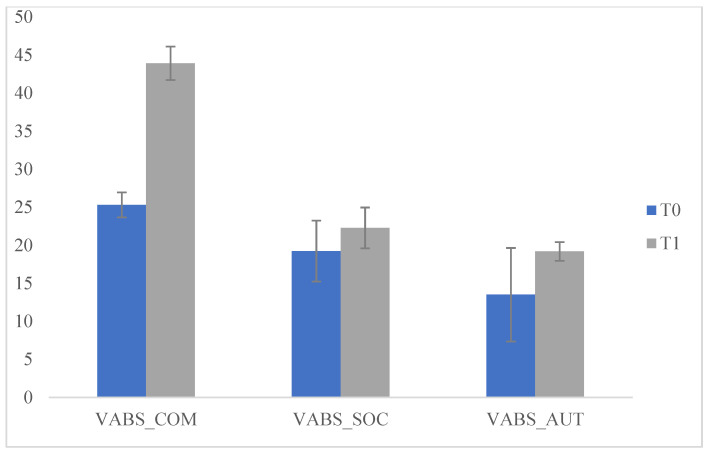
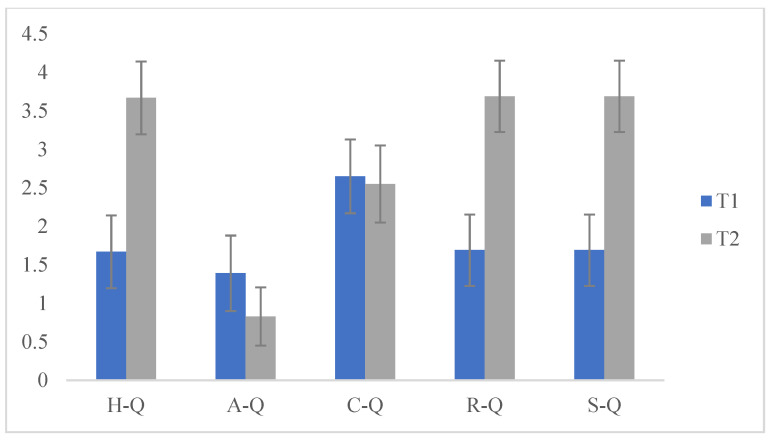
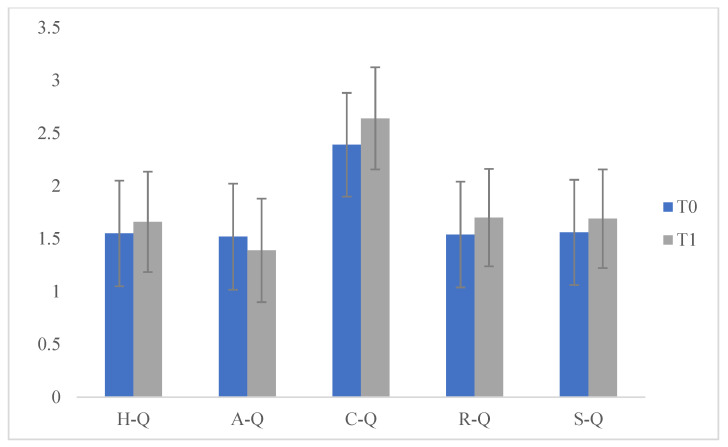
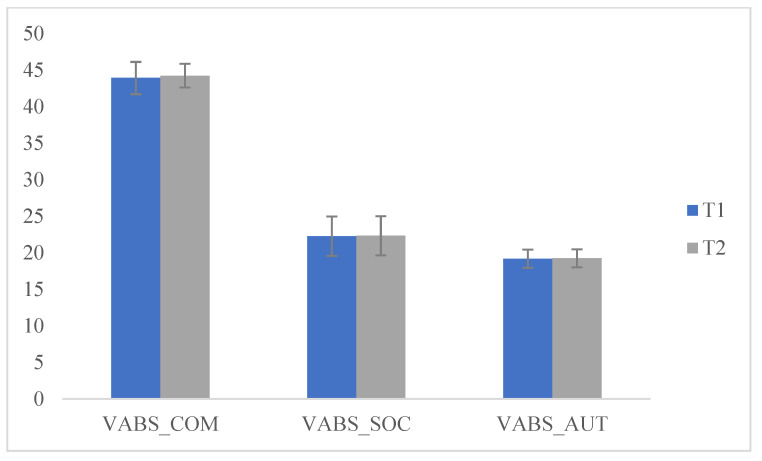
While numerous treatments for ASD are available, intervention based on the principles and procedures of Applied Behavior Analysis (ABA) has garnered substantial scientific support. In this study we evaluated the effects of the lockdown during the COVID-19 pandemic outbreak, followed by quarantine provisions and during the three months after the resumption of activities. The study was conducted on a group of children taking part on a ABA-based intervention funded by the Local Health Authority (ASL) of the province of Caserta. In this study we considered a sample of 88 children who had been diagnosed with Autism Spectrum Disorder, aged between 18 and 30 months. The following inclusion criteria were observed: age at the time of diagnosis less than 30 months, absence of other neurological, genetic, or sensorineural pathologies, and severity level 1 measured by symptoms evaluation based on the ADOS 2 module T (used for diagnosis). During the lockdown children experienced improvements in communication, socialization, and personal autonomy. During the three months after the ABA treatment, the acquired skills were maintained but no significant improvement was demonstrated. In this study, we describe how parent training was significant in avoiding delays in the generalization of socially significant behaviors, following the drastic interruption of the treatment in this group of children.
虽然有多种针对自闭症谱系障碍(ASD)的治疗方法,但基于应用行为分析(ABA)原则和程序的干预措施已获得大量科学支持。在本研究中,我们评估了新冠疫情爆发期间封锁措施的影响,随后是隔离规定以及活动恢复后的三个月。该研究针对一组参加由卡塞塔省地方卫生当局(ASL)资助的基于ABA干预的儿童进行。在本研究中,我们选取了88名被诊断为自闭症谱系障碍的儿童作为样本,年龄在18至30个月之间。遵循以下纳入标准:诊断时年龄小于30个月,无其他神经、遗传或感觉神经病变,且根据基于ADOS 2模块T(用于诊断)的症状评估,严重程度为1级。在封锁期间,儿童在沟通、社交和个人自主性方面有所改善。在ABA治疗后的三个月里,所获得的技能得以保持,但未显示出显著改善。在本研究中,我们描述了在这组儿童的治疗突然中断后,家长培训对于避免社会重要行为泛化延迟的重要性。