de Medeiros Gomes Juliana, Cahino Terto Márcio Vinícius, Golzio do Santos Sócrates, Sobral da Silva Marcelo, Fechine Tavares Josean
Laboratório Multiusuário de Caracterização e Análise, Universidade Federal da Paraíba, João Pessoa, PB 58051-900, Brazil.
Pharmaceutics. 2021 Jan 16;13(1):110. doi: 10.3390/pharmaceutics13010110.
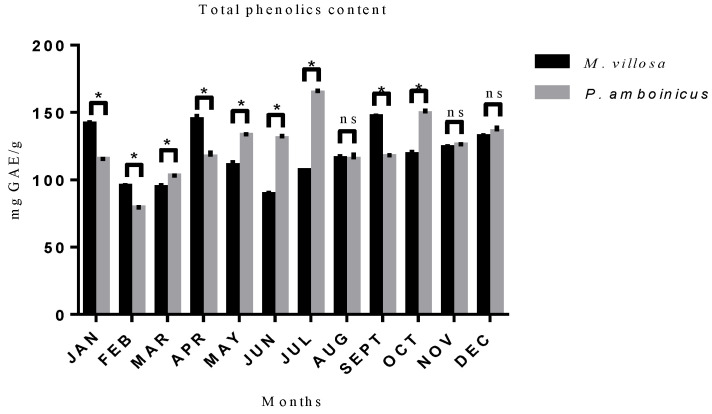
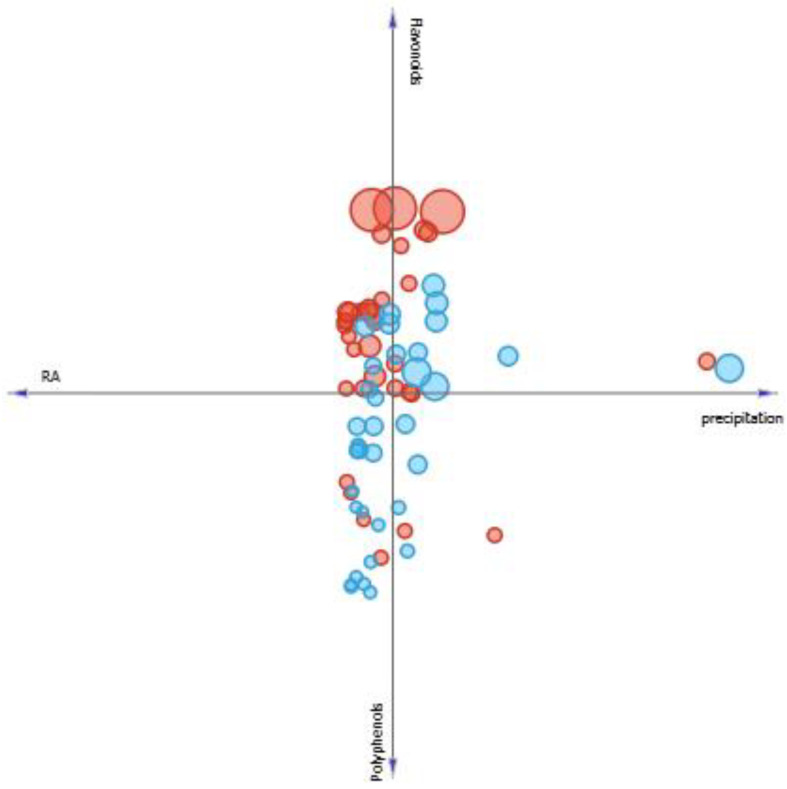
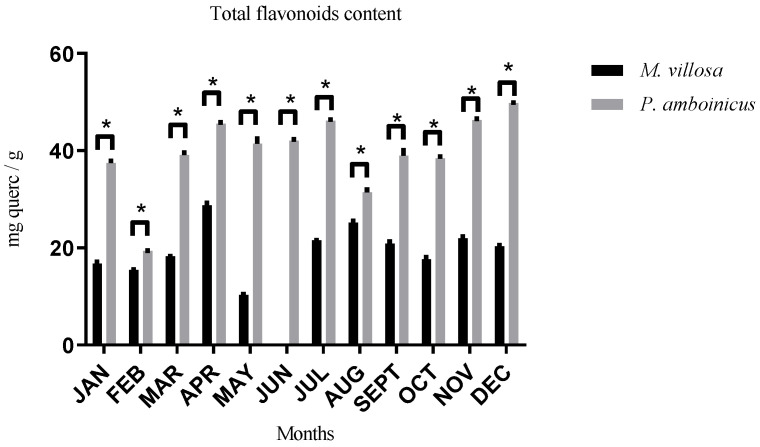
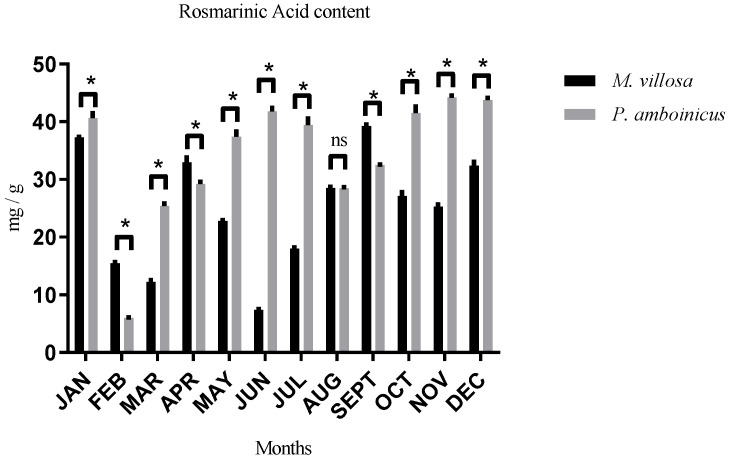
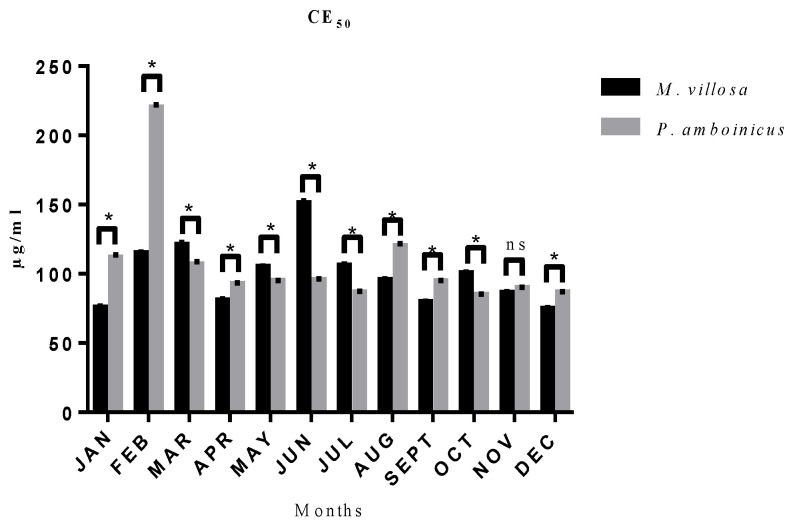
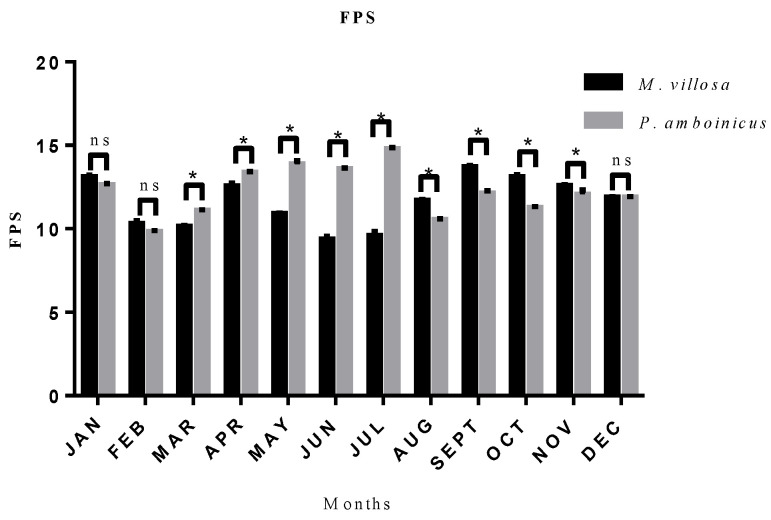
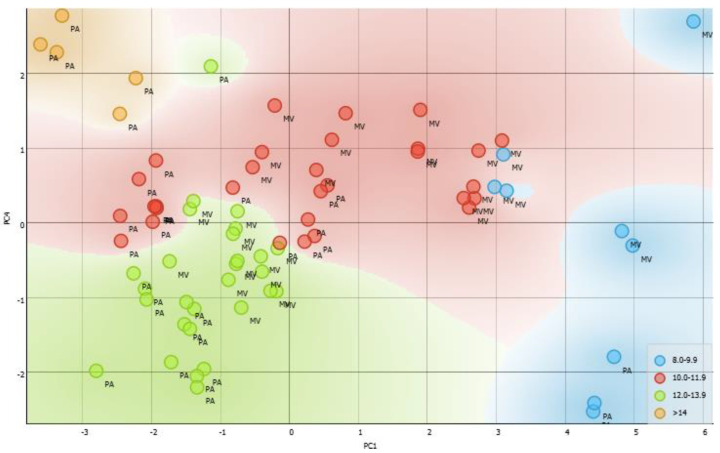
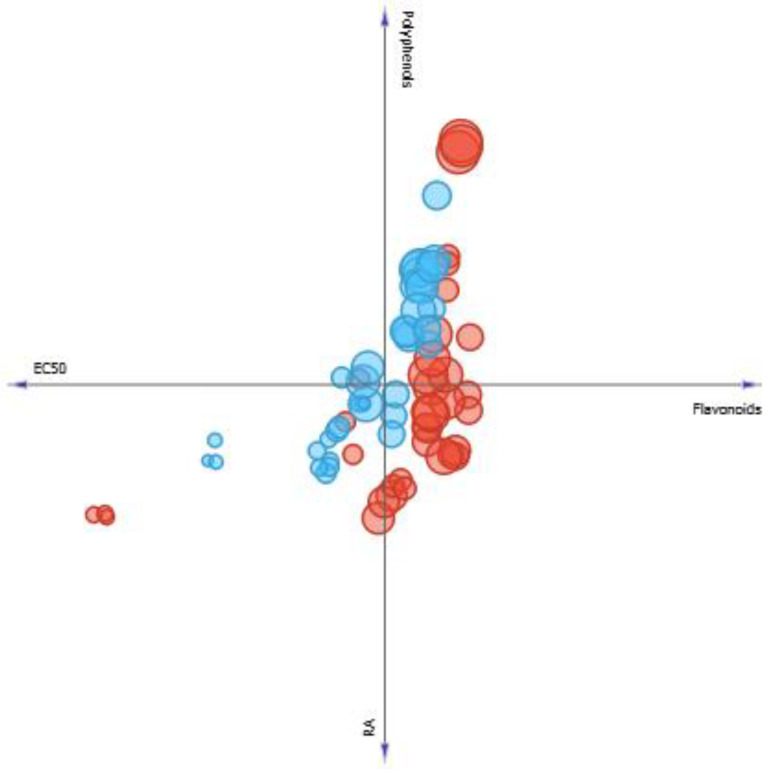
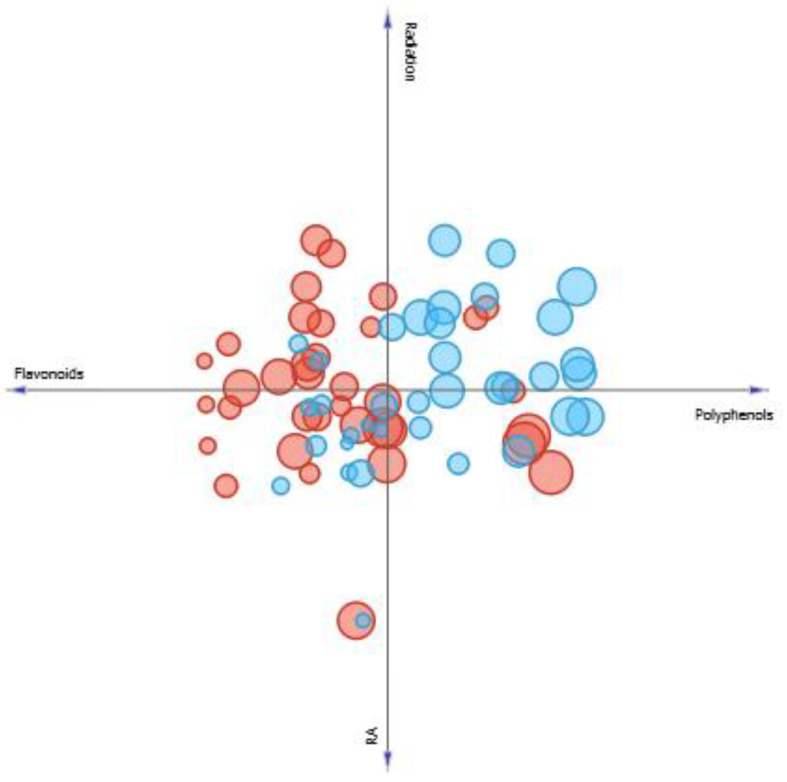
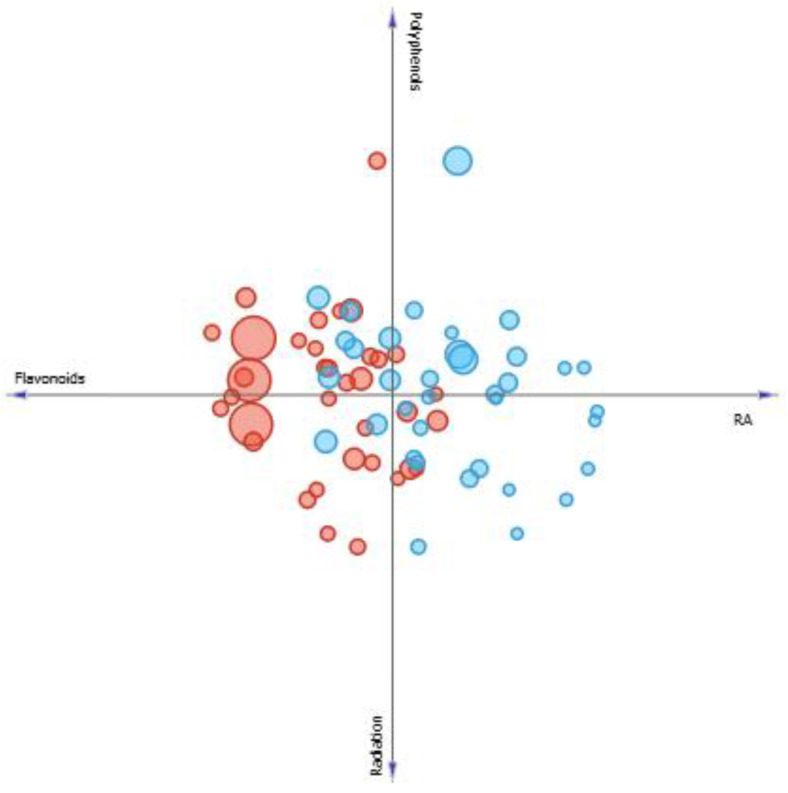
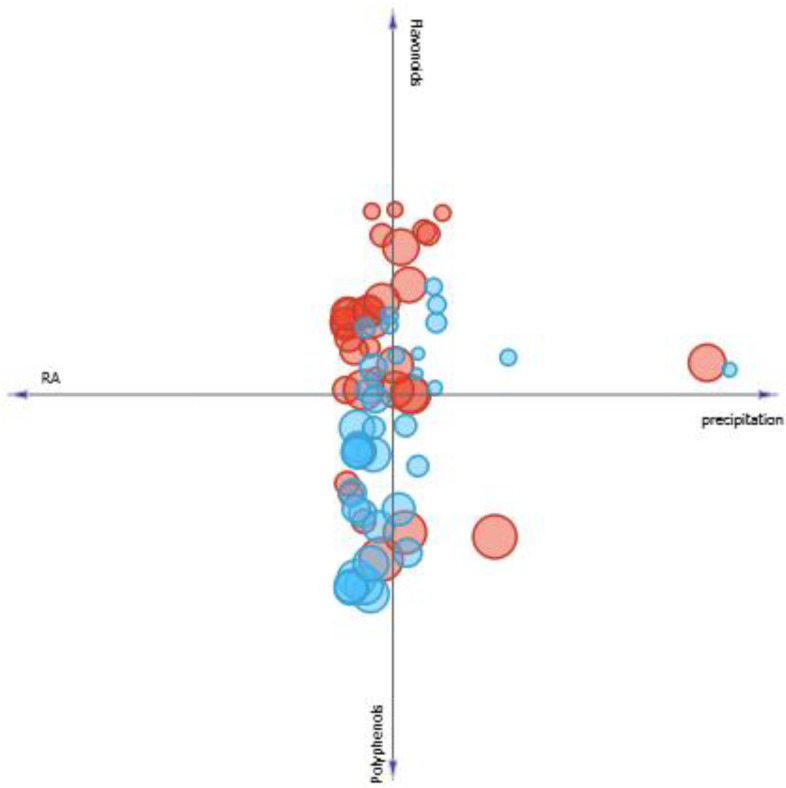
Secondary metabolite production by plants is influenced by external environmental factors that can change depending on the seasons, which makes it important to know how the plant, through its metabolism, is able to adapt to these variations and present in their chemical composition polyphenols, and through previous studies, it has been seen that these two species present promising in vitro photoprotective activity. The aim of this study was to evaluate seasonal alterations in photoprotective and antioxidant activities and the influence of factors such as precipitation levels and sun radiation incidence. Thus, polyphenol quantification, cromatographics (HPLC-DAD) and multivariate (PCA) analyses of extracts of the two species through twelve months were done. It was observed that the best months for photoprotective and antioxidant activities were September for and July for (SPF = 14.79). It was possible to conclude that solar radiation more clearly influences the production of phenolics and the increase of SPF in in addition to favoring the antioxidant activity of the two species, while precipitation seems to have no influence.
植物次级代谢产物的产生受外部环境因素影响,这些因素会随季节变化,这使得了解植物如何通过其新陈代谢适应这些变化并在其化学成分中呈现多酚变得很重要。通过先前的研究可以看出,这两个物种具有很有前景的体外光保护活性。本研究的目的是评估光保护和抗氧化活性的季节性变化以及降水水平和太阳辐射入射等因素的影响。因此,对这两个物种的提取物进行了为期十二个月的多酚定量、色谱分析(HPLC-DAD)和多变量分析(PCA)。观察到,光保护和抗氧化活性最佳的月份,一种植物是9月,另一种植物是7月(防晒系数=14.79)。可以得出结论,太阳辐射除了有利于这两个物种的抗氧化活性外,更明显地影响了一种植物中酚类物质的产生和防晒系数的增加,而降水似乎没有影响。