Environmental Microbiomics Research Center, School of Environmental Science and Engineering, Southern Marine Science and Engineering Guangdong Laboratory (Zhuhai), Sun Yat-sen University, 510006, Guangzhou, China.
Key Laboratory of Aquatic Biodiversity and Conservation of Chinese Academy of Sciences, Institute of Hydrobiology, Chinese Academy of Sciences, 430072, Wuhan, China.
NPJ Biofilms Microbiomes. 2021 Jan 19;7(1):5. doi: 10.1038/s41522-020-00176-2.
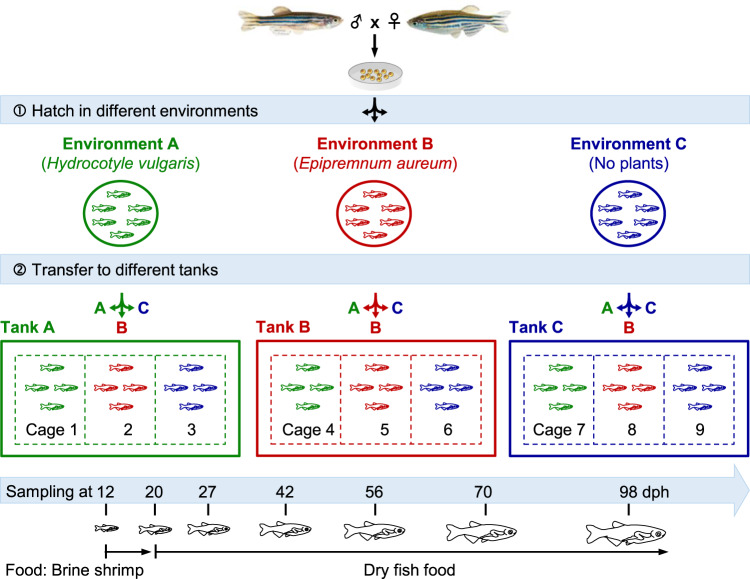
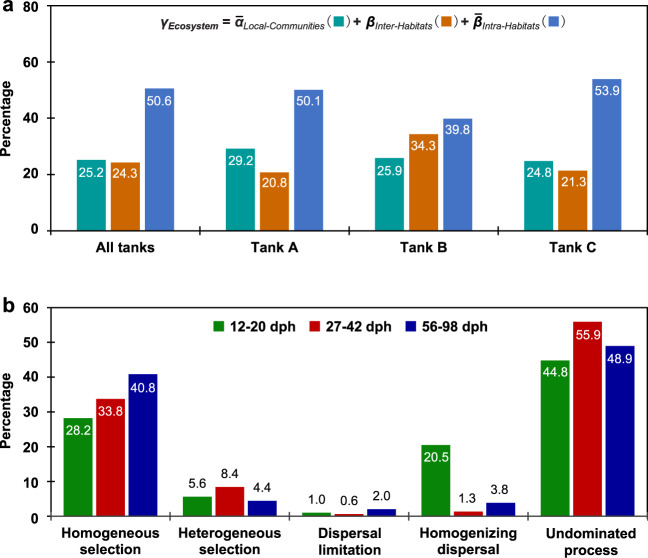
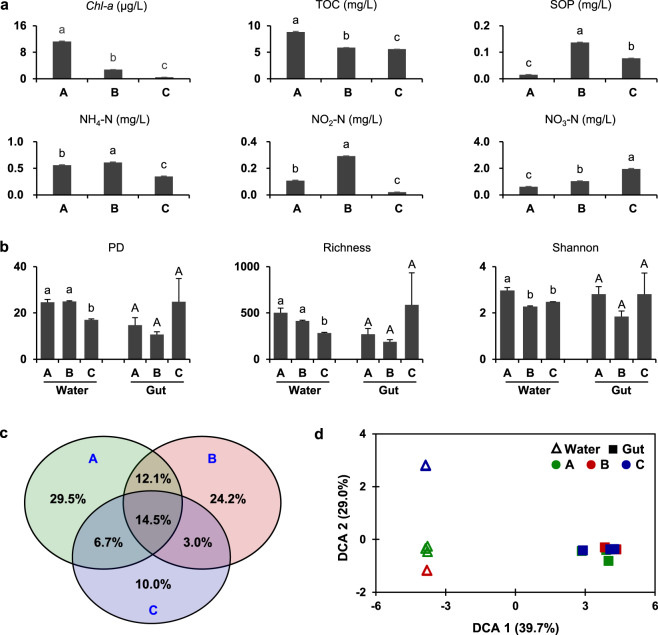
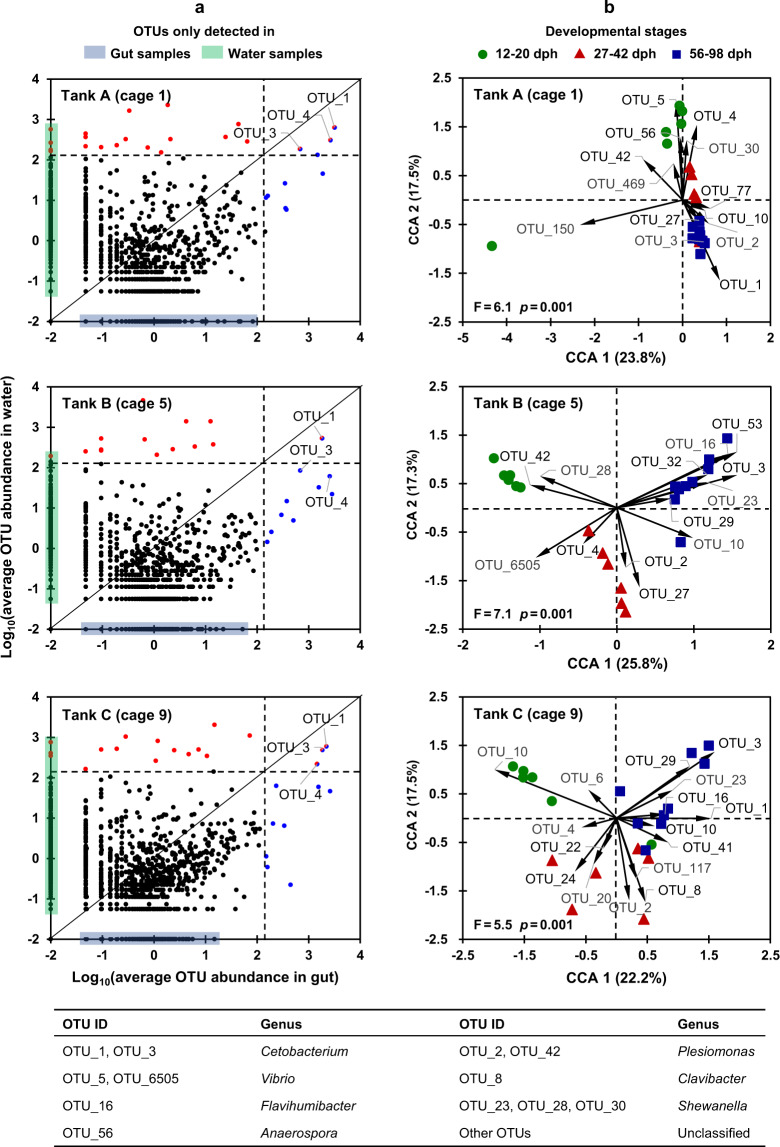
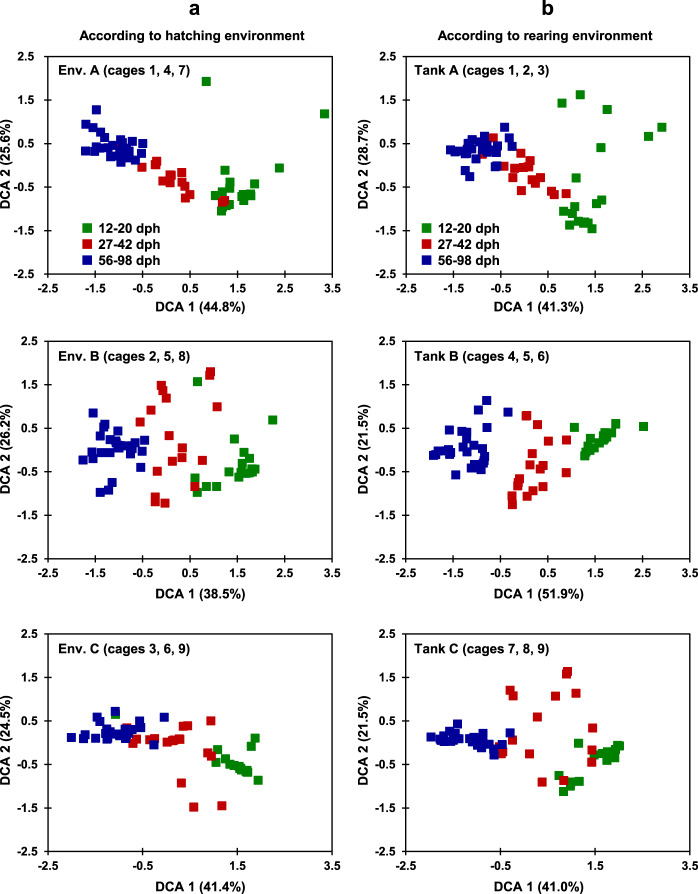
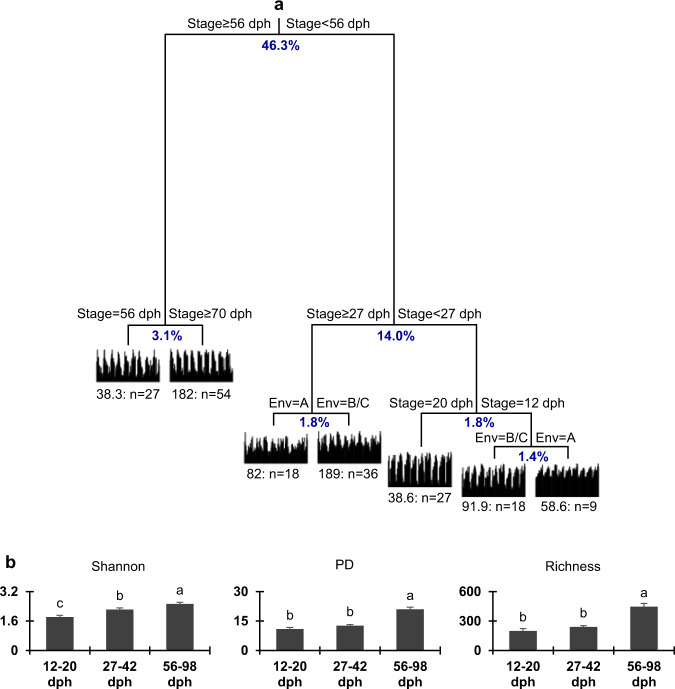
Clarifying mechanisms underlying the ecological succession of gut microbiota is a central theme of gut ecology. Under experimental manipulations of zebrafish hatching and rearing environments, we test our core hypothesis that the host development will overwhelm environmental dispersal in governing fish gut microbial community succession due to host genetics, immunology, and gut nutrient niches. We find that zebrafish developmental stage substantially explains the gut microbial community succession, whereas the environmental effects do not significantly affect the gut microbiota succession from larvae to adult fish. The gut microbiotas of zebrafish are clearly separated according to fish developmental stages, and the degree of homogeneous selection governing gut microbiota succession is increasing with host development. This study advances our mechanistic understanding of the gut microbiota assembly and succession by integrating the host and environmental effects, which also provides new insights into the gut ecology of other aquatic animals.
阐明肠道微生物群落演替的机制是肠道生态学的一个核心主题。在对斑马鱼孵化和饲养环境的实验操作下,我们检验了我们的核心假设,即由于宿主遗传学、免疫学和肠道营养生态位,宿主发育将压倒环境扩散,从而主导鱼类肠道微生物群落的演替。我们发现,斑马鱼的发育阶段在很大程度上解释了肠道微生物群落的演替,而环境影响对从幼虫到成鱼的肠道微生物群的演替并没有显著影响。根据鱼类的发育阶段,斑马鱼的肠道微生物群明显分开,而控制肠道微生物群演替的同型选择程度随着宿主的发育而增加。这项研究通过整合宿主和环境效应,推进了我们对肠道微生物群落组装和演替的机制理解,也为其他水生动物的肠道生态学提供了新的见解。