Weile Jesper, Nebsbjerg Mette Amalie, Ovesen Stig Holm, Paltved Charlotte, Ingeman Mads Lind
Emergency Department, Regional Hospital Horsens, Horsens, Denmark.
Research Center for Emergency Medicine, Aarhus University Hospital, Palle Juul-Jensens Blvd. 161, 8200, Aarhus, Denmark.
Adv Simul (Lond). 2021 Jan 20;6(1):3. doi: 10.1186/s41077-021-00154-4.
The use of simulation-based team training has increased over the past decades. Simulation-based team training within emergency medicine and critical care contexts is best known for its use by trauma teams and teams involved in cardiac arrest. In the domain of emergency medicine, simulation-based team training is also used for other typical time-critical clinical presentations. We aimed to review the existing literature and current state of evidence pertaining to non-technical skills obtained via simulation-based team training in emergency medicine and critical care contexts, excluding trauma and cardiac arrest contexts.
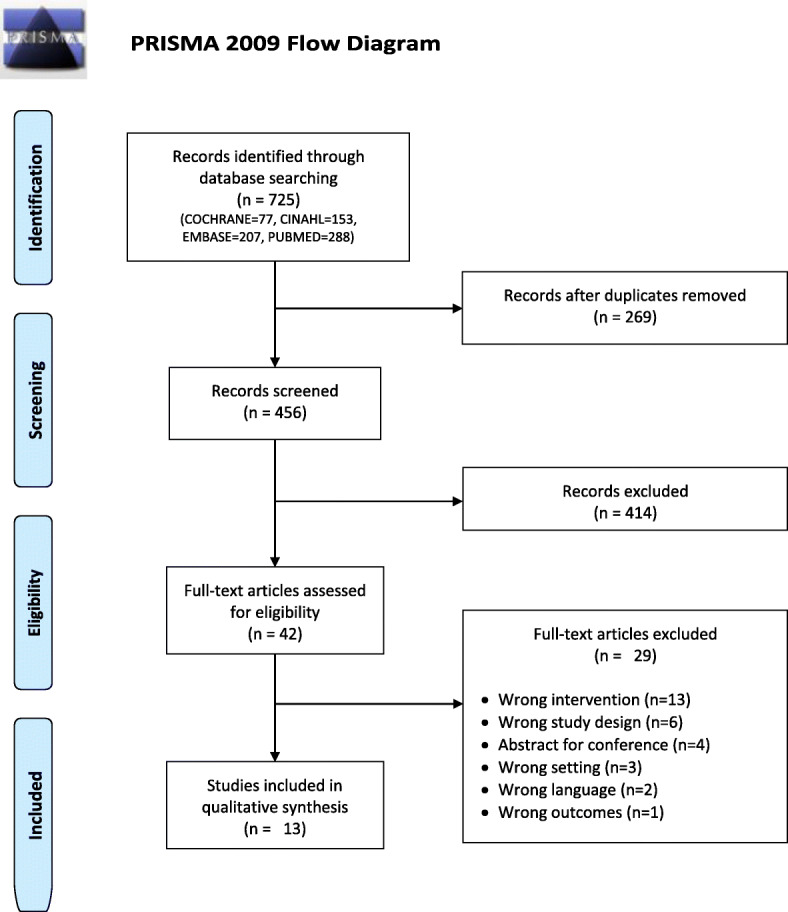
This systematic review was conducted in accordance with the Preferred Reporting Items for Systematic Reviews and Meta-Analysis (PRISMA) statement. Before the initiation of the study, the protocol was registered in the International Prospective Register of Systematic Reviews (PROSPERO) database. We conducted a systematic literature search of 10 years of publications, up to December 17, 2019, in the following databases: PubMed/MEDLINE, EMBASE, Cochrane Library, and CINAHL. Two authors independently reviewed all the studies and extracted data.
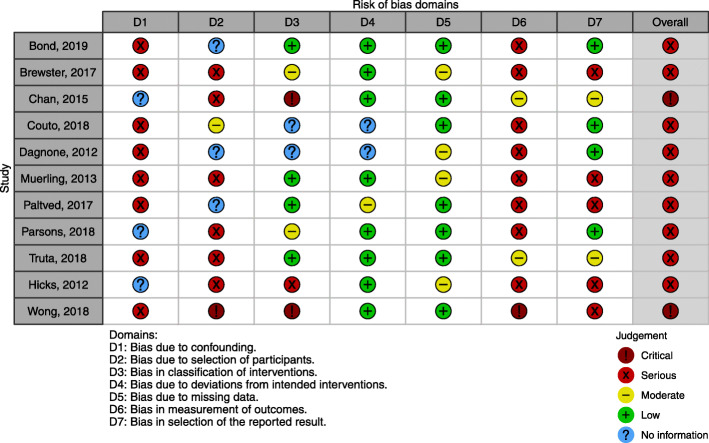
Of the 456 studies screened, 29 trials were subjected to full-text review, and 13 studies were included in the final review. None of the studies was randomized controlled trials, and no studies compared simulation training to different modalities of training. Studies were heterogeneous; they applied simulation-training concepts of different durations and intensities and used different outcome measures for non-technical skills. Two studies reached Kirkpatrick level 3. Out of the remaining 11 studies, nine reached Kirkpatrick level 2, and two reached Kirkpatrick level 1.
The literature on simulation-based team training in emergency medicine is heterogeneous and sparse, but somewhat supports the hypothesis that simulation-based team training is beneficial to teams' knowledge and attitudes toward non-technical skills (Kirkpatrick level 2). Randomized trials are called for to clarify the effect of simulation compared to other modalities of team training. Future research should focus on the transfer of skills and investigate improvements in patient outcomes (Kirkpatrick level 4).
在过去几十年中,基于模拟的团队培训的使用有所增加。在急诊医学和重症监护环境中,基于模拟的团队培训最为人所知的是其在创伤团队和参与心脏骤停抢救的团队中的应用。在急诊医学领域,基于模拟的团队培训也用于其他典型的对时间要求严格的临床情况。我们旨在回顾现有文献以及在急诊医学和重症监护环境中通过基于模拟的团队培训获得的非技术技能的当前证据状态,不包括创伤和心脏骤停情况。
本系统评价按照系统评价和Meta分析的首选报告项目(PRISMA)声明进行。在研究开始前,该方案已在国际前瞻性系统评价注册库(PROSPERO)数据库中注册。我们对截至2019年12月17日的10年出版物进行了系统文献检索,检索以下数据库:PubMed/MEDLINE、EMBASE、Cochrane图书馆和CINAHL。两位作者独立审查所有研究并提取数据。
在筛选的456项研究中,29项试验进行了全文审查,13项研究纳入最终审查。所有研究均非随机对照试验,也没有研究将模拟培训与不同的培训方式进行比较。研究具有异质性;它们应用了不同持续时间和强度的模拟培训概念,并使用了不同的非技术技能结果测量方法。两项研究达到了柯克帕特里克三级水平。在其余11项研究中,9项达到柯克帕特里克二级水平,2项达到柯克帕特里克一级水平。
关于急诊医学中基于模拟团队培训的文献具有异质性且稀少,但在一定程度上支持了基于模拟的团队培训有利于团队对非技术技能的知识和态度(柯克帕特里克二级水平)这一假设。需要进行随机试验以阐明模拟与其他团队培训方式相比的效果。未来的研究应侧重于技能的转移,并调查患者结局的改善情况(柯克帕特里克四级水平)。