Mishra Vishnu S, Kumar Naveen, Raza Masoom, Sehrawat Seema
Precision NeuroOncology & NeuroVascular Disease Modeling Group, Department of Life Sciences, School of Natural Sciences, Shiv Nadar University, NCR 201314, India.
These authors contributed equally to this work.
Oncotarget. 2020 Dec 22;11(51):4754-4769. doi: 10.18632/oncotarget.27842.
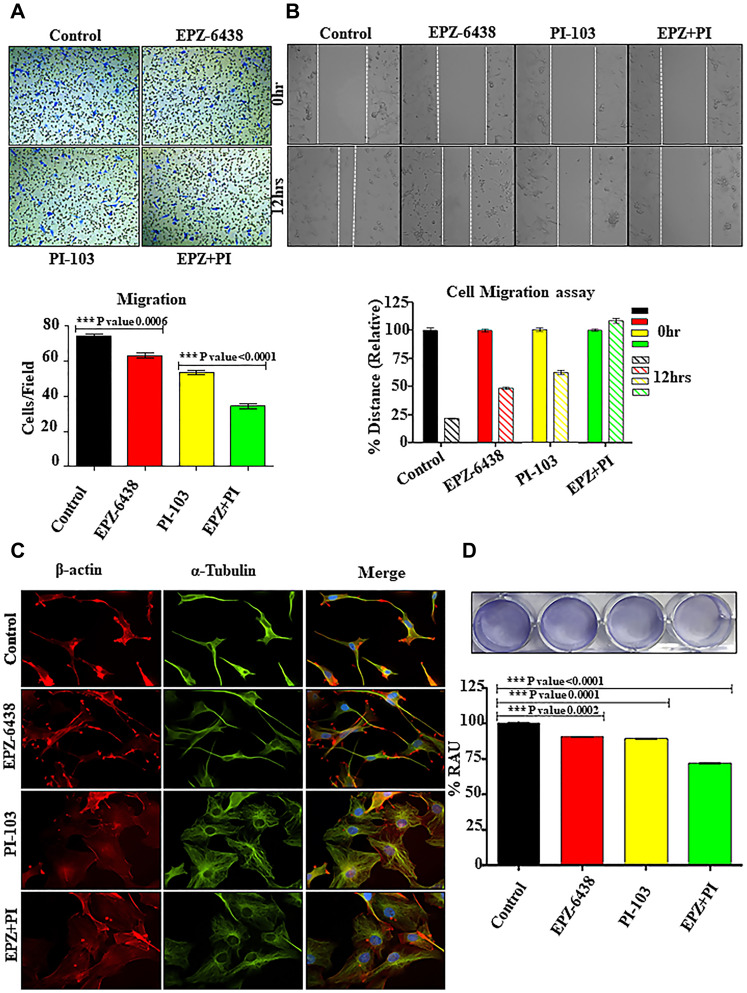
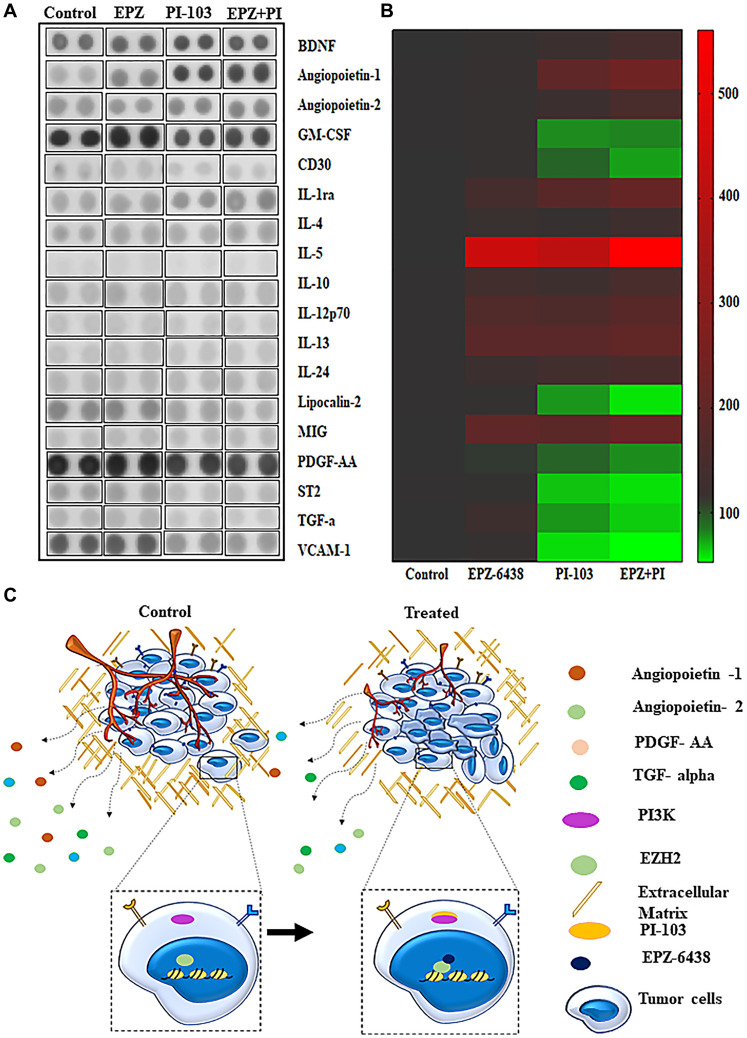
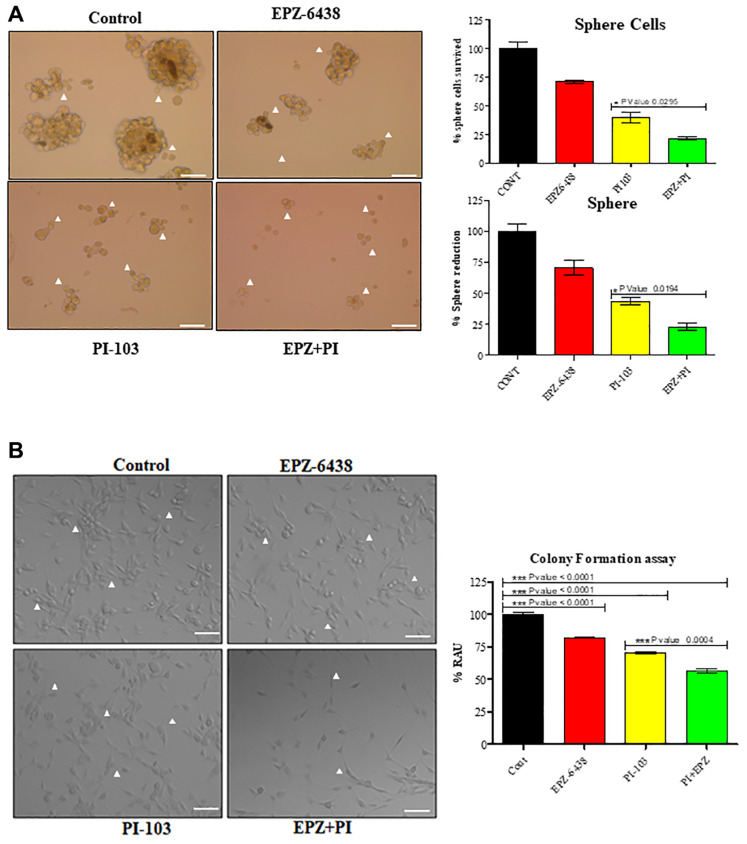
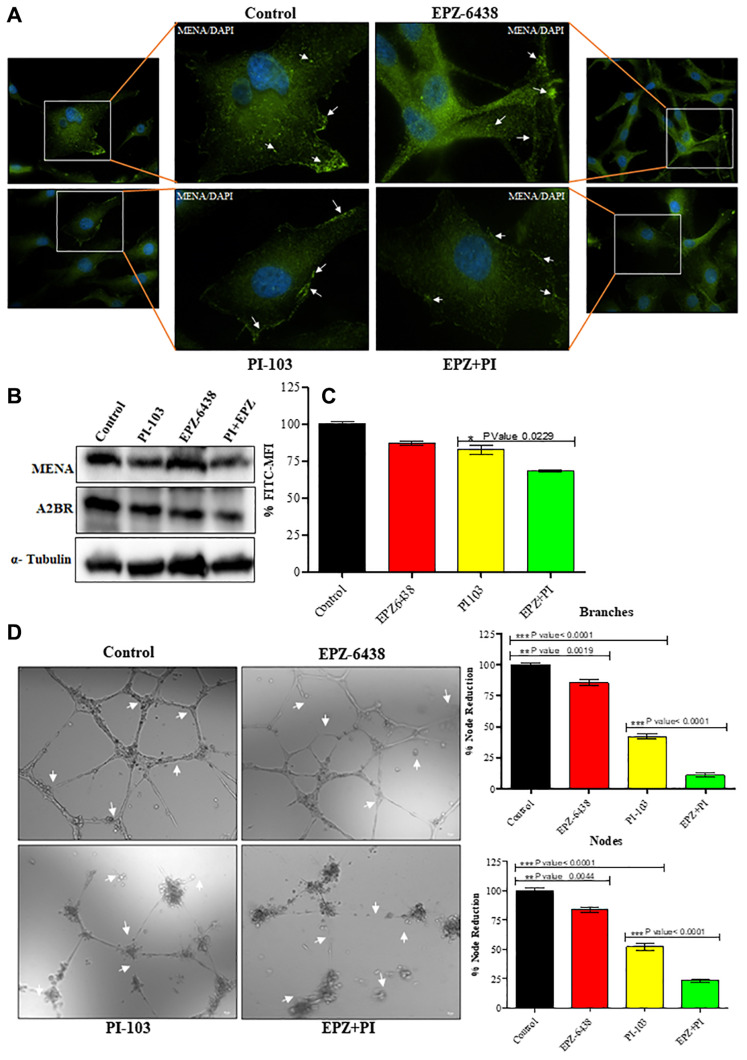
Glioblastoma multiforme is known as the primary malignant and most devastating form of tumor in central nervous system of adult population. Amongst all CNS cancers, Glioblastoma multiforme GBM is a rare grade IV astrocytoma and it has the worst prognosis initiated by metastasis to supra-tentorial region of the brain. Current options for the treatment include surgery, radiation therapy and chemotherapy. Substantial information of its pathology and molecular signaling exposed new avenues for generating innovative therapies. In our study, we have undertaken a novel combination approach for GBM treatment. PI3K signaling participates in cancer progression and plays a significant role in metastasis. Here, we are targeting PI3K signaling pathways in glioblastoma along with EZH2, a known transcriptional regulator. We found that targeting transcriptional regulator EZH2 and PI3K affect cellular migration and morphological changes. These changes in signatory activities of cancerous cells led to inhibit its progression . With further analysis we confirmed the angiogenic inhibition and reduction in stem-ness potential of GBM. Later, cytokine proteome array analysis revealed several participants of metastasis and tumor induced angiogenesis using combination regime. This study provides a significant reduction in GBM progression investigated using Glioblastoma Multiforme U-87 cells with effective combination of pharmacological inhibitors PI-103 and EPZ-6438. This strategy will be further used to combat GBM more innovatively along with the existing therapies.
多形性胶质母细胞瘤是成人中枢神经系统中最主要的恶性且最具破坏性的肿瘤形式。在所有中枢神经系统癌症中,多形性胶质母细胞瘤(GBM)是一种罕见的IV级星形细胞瘤,其预后最差,可转移至脑幕上区域。目前的治疗选择包括手术、放射治疗和化疗。其病理学和分子信号传导的大量信息为创新疗法开辟了新途径。在我们的研究中,我们采用了一种新型联合方法来治疗GBM。PI3K信号传导参与癌症进展,并在转移中起重要作用。在这里,我们针对胶质母细胞瘤中的PI3K信号通路以及已知的转录调节因子EZH2。我们发现靶向转录调节因子EZH2和PI3K会影响细胞迁移和形态变化。癌细胞这些标志性活动的变化导致其进展受到抑制。通过进一步分析,我们证实了GBM的血管生成抑制和干性潜能降低。随后,细胞因子蛋白质组阵列分析揭示了使用联合方案时转移和肿瘤诱导血管生成的几个参与者。本研究使用多形性胶质母细胞瘤U-87细胞,通过有效联合使用药理抑制剂PI-103和EPZ-6438,显著降低了GBM的进展。该策略将与现有疗法一起进一步用于更创新地对抗GBM。