Department of Biochemistry and Molecular Biology, Faculty of Biology, University of Bucharest, 91-95 Splaiul Independentei, 050095 Bucharest, Romania.
Advance Polymer Materials Group, Faculty of Applied Chemistry and Materials Science, University Politehnica of Bucharest, Gh. Polizu 17, 011061 Bucharest, Romania.
Int J Mol Sci. 2021 Jan 18;22(2):909. doi: 10.3390/ijms22020909.
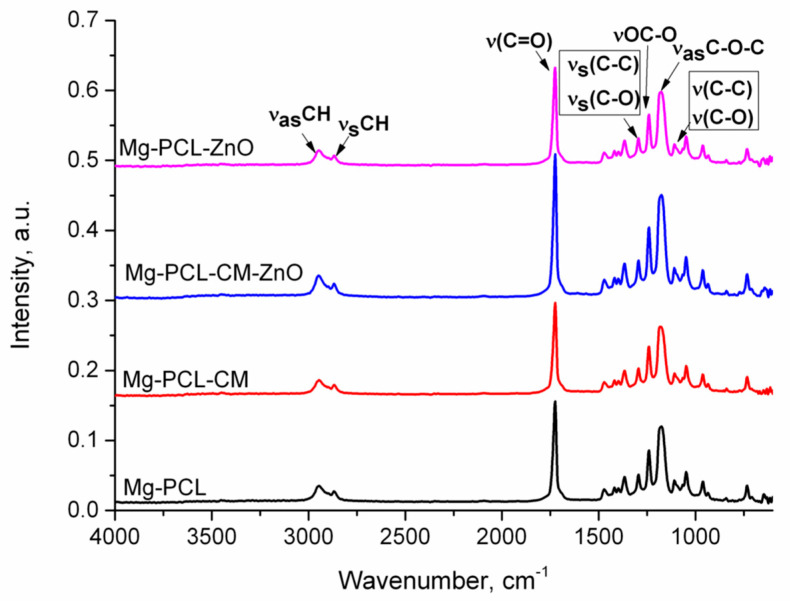
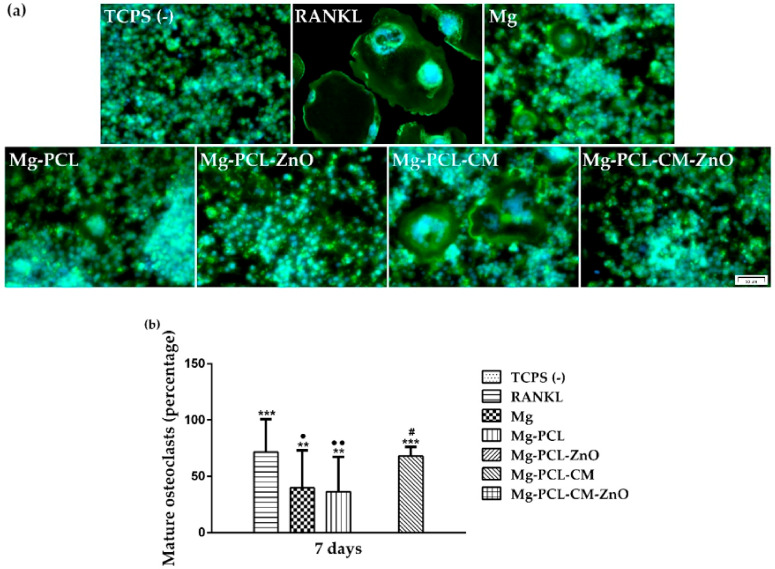
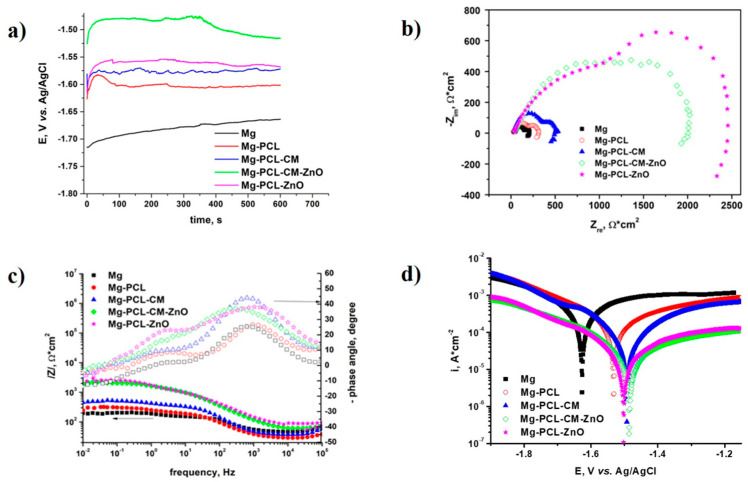
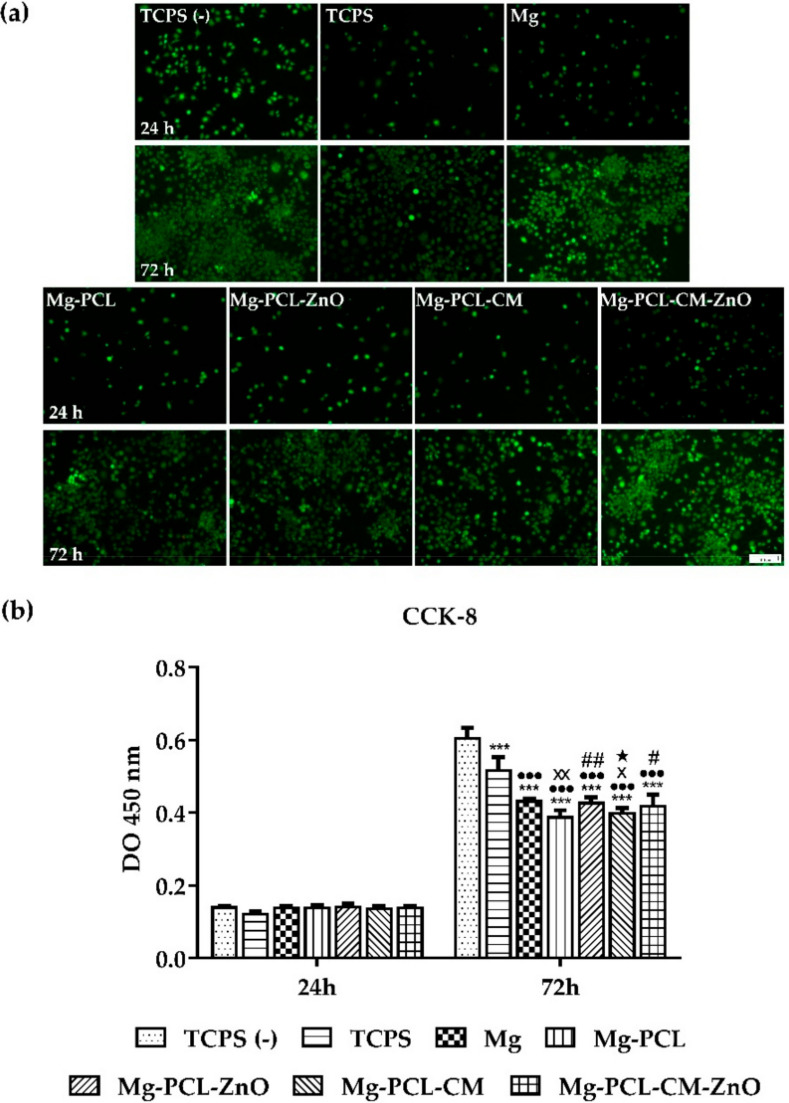
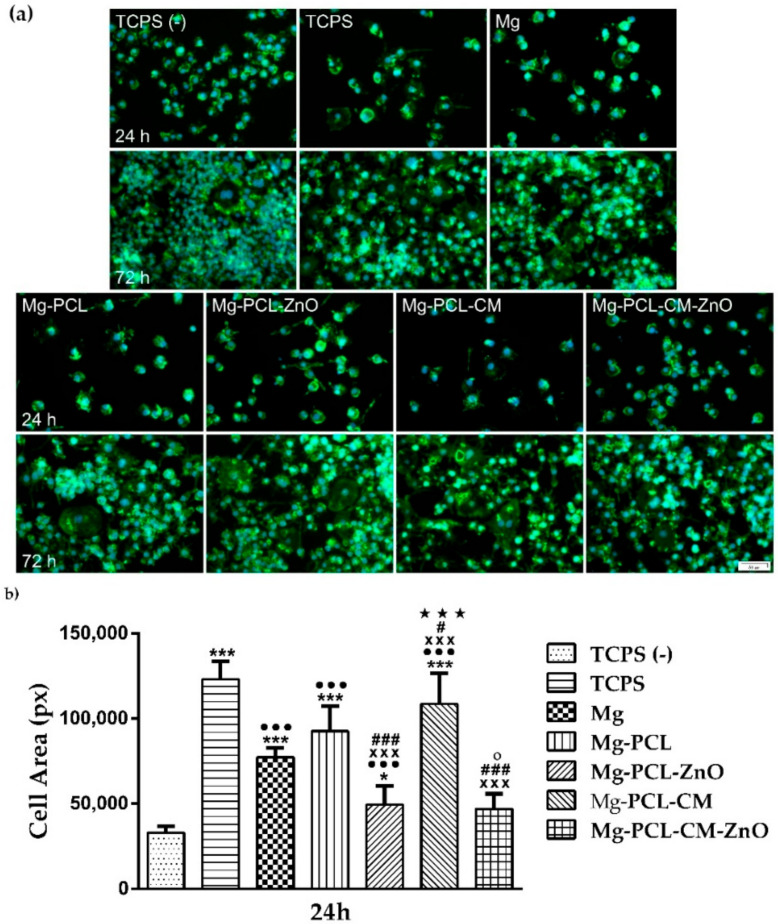
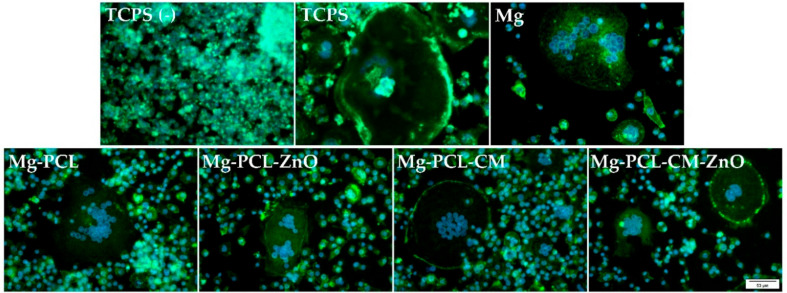
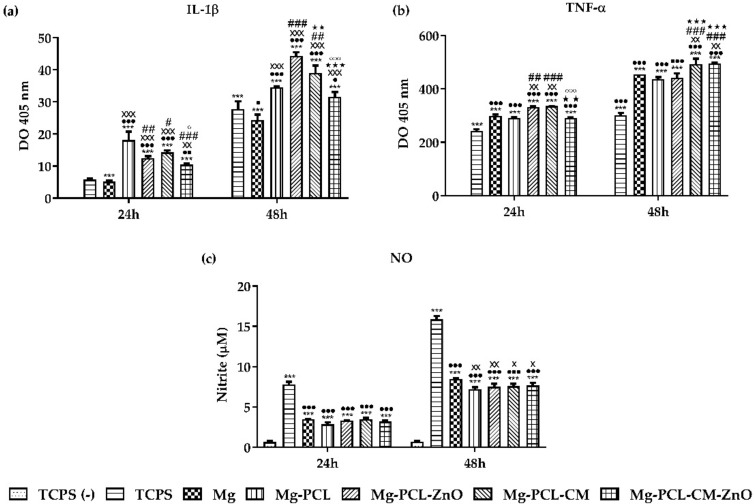
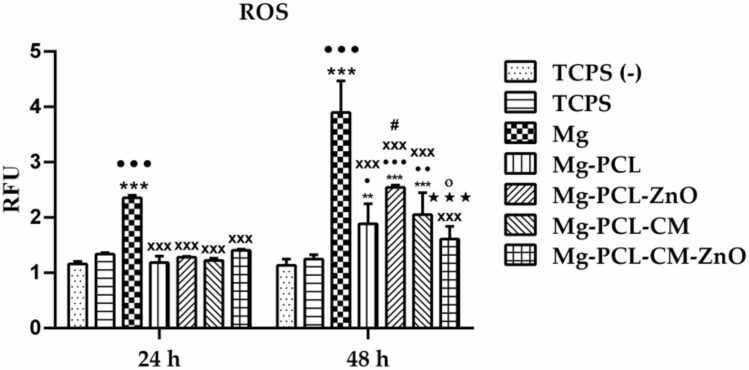
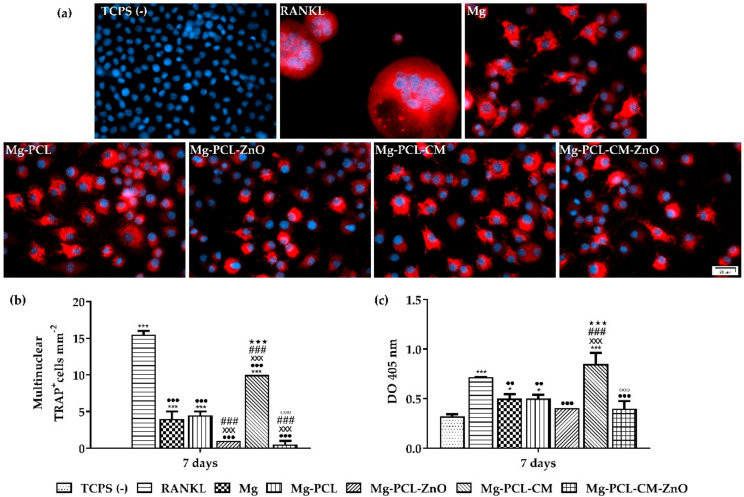
Due to its excellent bone-like mechanical properties and non-toxicity, magnesium (Mg) and its alloys have attracted great interest as biomaterials for orthopaedic applications. However, their fast degradation rate in physiological environments leads to an acute inflammatory response, restricting their use as biodegradable metallic implants. Endowing Mg-based biomaterials with immunomodulatory properties can help trigger a desired immune response capable of supporting a favorable healing process. In this study, electrospun poly(ε-caprolactone) (PCL) fibers loaded with coumarin (CM) and/or zinc oxide nanoparticles (ZnO) were used to coat the commercial AZ31 Mg alloy as single and combined formulas, and their effects on the macrophage inflammatory response and osteoclastogenic process were investigated by indirect contact studies. Likewise, the capacity of the analyzed samples to generate reactive oxygen species (ROS) has been investigated. The data obtained by attenuated total reflection Fourier-transform infrared (FTIR-ATR) and X-ray photoelectron spectroscopy (XPS) analyses indicate that AZ31 alloy was perfectly coated with the PCL fibers loaded with CM and ZnO, which had an important influence on tuning the release of the active ingredient. Furthermore, in terms of degradation in phosphate-buffered saline (PBS) solution, the PCL-ZnO- and secondary PCL-CM-ZnO-coated samples exhibited the best corrosion behaviour. The in vitro results showed the PCL-CM-ZnO and, to a lower extent, PCL-ZnO coated sample exhibited the best behaviour in terms of inflammatory response and receptor activator of nuclear factor kappa-B ligand (RANKL)-mediated differentiation of RAW 264.7 macrophages into osteoclasts. Altogether, the results obtained suggest that the coating of Mg alloys with fibrous PCL containing CM and/or ZnO can constitute a feasible strategy for biomedical applications.
由于其出色的类似骨骼的机械性能和无毒特性,镁 (Mg) 及其合金作为骨科应用的生物材料引起了极大的兴趣。然而,它们在生理环境中的快速降解速率导致急性炎症反应,限制了它们作为可生物降解的金属植入物的使用。赋予基于镁的生物材料免疫调节特性可以帮助引发所需的免疫反应,从而支持有利的愈合过程。在这项研究中,使用负载香豆素 (CM) 和/或氧化锌纳米粒子 (ZnO) 的电纺聚己内酯 (PCL) 纤维来涂覆商用 AZ31 Mg 合金,作为单一和组合配方,并通过间接接触研究来研究它们对巨噬细胞炎症反应和破骨细胞生成过程的影响。同样,还研究了分析样品产生活性氧 (ROS) 的能力。衰减全反射傅里叶变换红外 (FTIR-ATR) 和 X 射线光电子能谱 (XPS) 分析获得的数据表明,AZ31 合金被完美地涂覆了负载 CM 和 ZnO 的 PCL 纤维,这对调节活性成分的释放有重要影响。此外,就磷酸盐缓冲盐水 (PBS) 溶液中的降解而言,PCL-ZnO-和二次 PCL-CM-ZnO 涂层的样品表现出最佳的腐蚀行为。体外结果表明,PCL-CM-ZnO 和在较小程度上 PCL-ZnO 涂层的样品在炎症反应和核因子 kappa-B 配体 (RANKL) 介导的 RAW 264.7 巨噬细胞向破骨细胞分化方面表现出最佳行为。总的来说,研究结果表明,用含有 CM 和/或 ZnO 的纤维状 PCL 涂层 Mg 合金可以构成生物医学应用的可行策略。