Gundamaraju Rohit, Lu Wenying, Manikam Rishya
ER Stress and Mucosal Immunology Lab, School of Health Sciences, College of Health and Medicine, University of Tasmania, Launceston, Tasmania, TAS 7248, Australia.
Respiratory Translational Research Group, Department of Laboratory Medicine, School of Health Sciences, University of Tasmania, Launceston, Tasmania, TAS 7248, Australia.
Cancers (Basel). 2021 Jan 23;13(3):432. doi: 10.3390/cancers13030432.
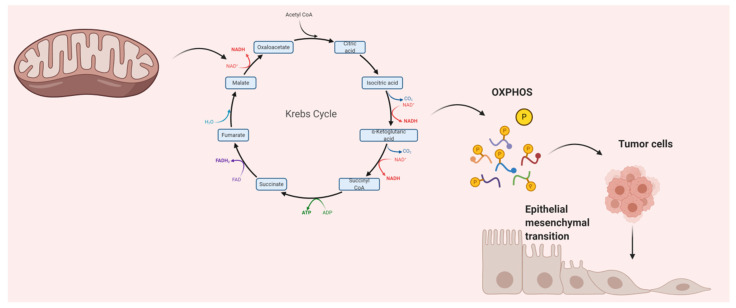
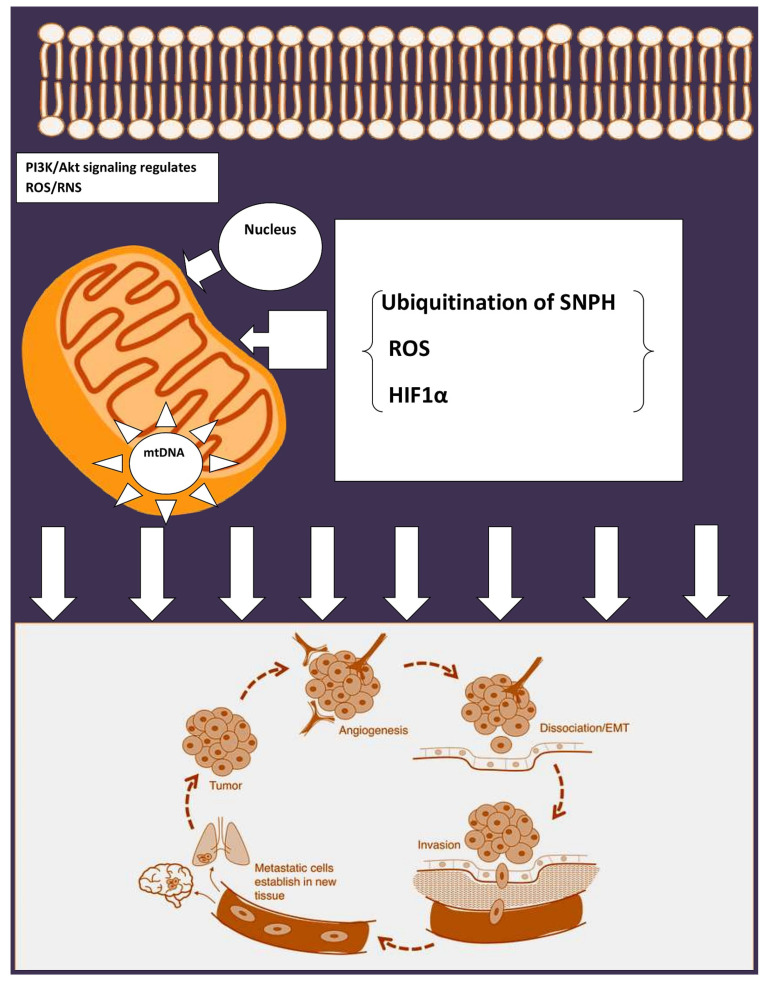
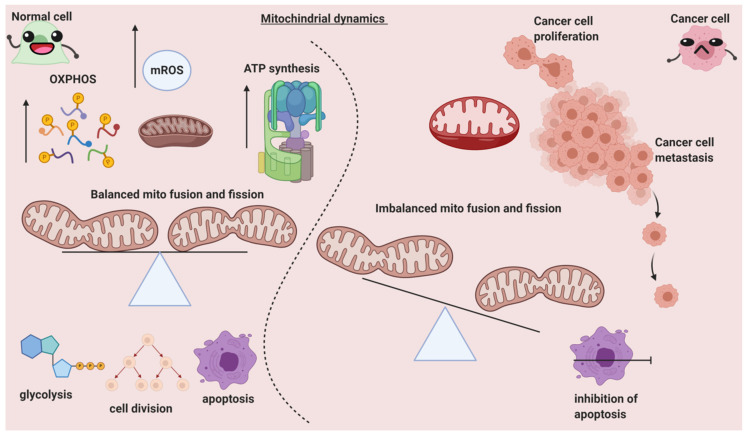
The Warburg effect has immensely succored the study of cancer biology, especially in highlighting the role of mitochondria in cancer stemness and their benefaction to the malignancy of oxidative and glycolytic cancer cells. Mitochondrial genetics have represented a focal point in cancer therapeutics due to the involvement of mitochondria in programmed cell death. The mitochondrion has been well established as a switch in cell death decisions. The mitochondrion's instrumental role in central bioenergetics, calcium homeostasis, and translational regulation has earned it its fame in metastatic dissemination in cancer cells. Here, we revisit and review mechanisms through which mitochondria influence oncogenesis and metastasis by underscoring the oncogenic mitochondrion that is capable of transferring malignant capacities to recipient cells.
瓦伯格效应极大地促进了癌症生物学的研究,特别是在突出线粒体在癌症干性中的作用以及它们对氧化型和糖酵解型癌细胞恶性程度的贡献方面。由于线粒体参与程序性细胞死亡,线粒体遗传学已成为癌症治疗的一个焦点。线粒体已被确认为细胞死亡决定中的一个开关。线粒体在中心生物能量学、钙稳态和翻译调控中的重要作用使其在癌细胞的转移扩散中声名远扬。在此,我们通过强调能够将恶性能力转移给受体细胞的致癌线粒体,重新审视并综述线粒体影响肿瘤发生和转移的机制。