Denisenko Tatiana V, Gorbunova Anna S, Zhivotovsky Boris
Faculty of Medicine, Lomonosov Moscow State University, Moscow, Russia.
Institute of Environmental Medicine, Division of Toxicology, Karolinska Institute, Stockholm, Sweden.
Front Cell Dev Biol. 2019 Dec 20;7:355. doi: 10.3389/fcell.2019.00355. eCollection 2019.
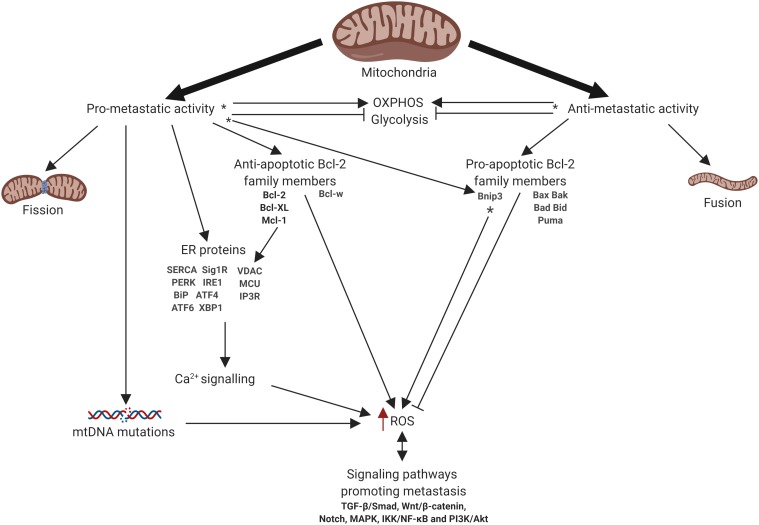
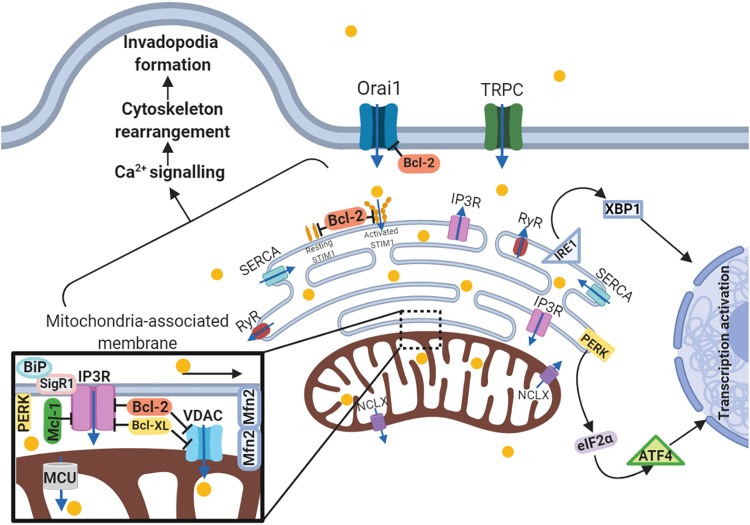
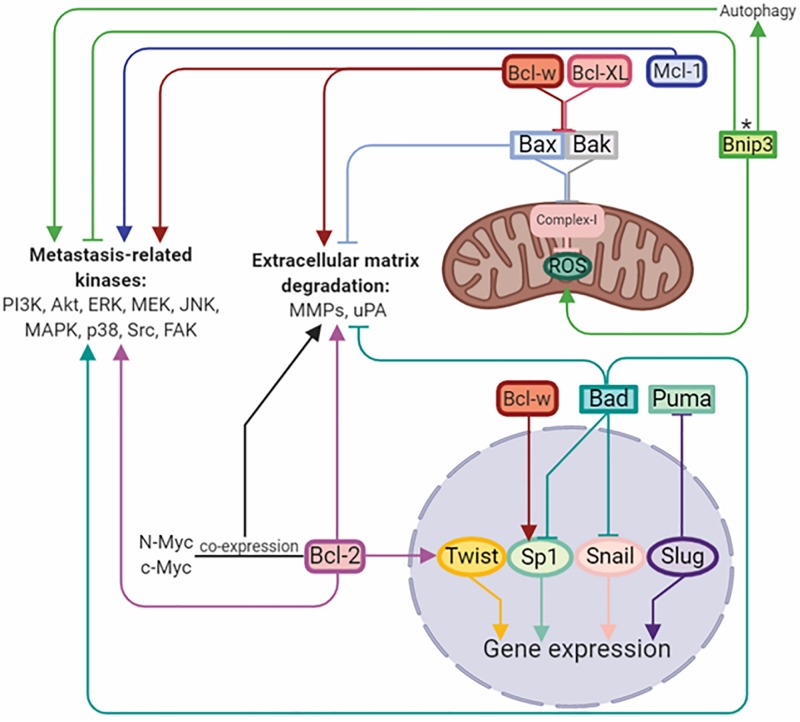
Mitochondria in addition to be a main cellular power station, are involved in the regulation of many physiological processes, such as generation of reactive oxygen species, metabolite production and the maintenance of the intracellular Ca homeostasis. Almost 100 years ago Otto Warburg presented evidence for the role of mitochondria in the development of cancer. During the past 20 years mitochondrial involvement in programmed cell death regulation has been clarified. Moreover, it has been shown that mitochondria may act as a switchboard between various cell death modalities. Recently, accumulated data have pointed to the role of mitochondria in the metastatic dissemination of cancer cells. Here we summarize the modern knowledge concerning the contribution of mitochondria to the invasion and dissemination of tumor cells and the possible mechanisms behind that and attempts to target metastatic cancers involving mitochondria.
线粒体除了作为主要的细胞能量站外,还参与许多生理过程的调节,如活性氧的产生、代谢产物的生成以及细胞内钙稳态的维持。大约100年前,奥托·瓦尔堡提出了线粒体在癌症发展中作用的证据。在过去20年里,线粒体在程序性细胞死亡调节中的作用已得到阐明。此外,研究表明线粒体可能充当各种细胞死亡方式之间的转接点。最近,积累的数据表明线粒体在癌细胞的转移扩散中发挥作用。在此,我们总结了关于线粒体对肿瘤细胞侵袭和扩散的作用以及其背后可能机制的现代知识,并尝试针对涉及线粒体的转移性癌症进行靶向治疗。