Cancer Center, Faculty of Health Sciences, University of Macau, Macau SAR, China.
Center for Precision Medicine Research and Training, University of Macau, Macau SAR, China.
Theranostics. 2021 Jan 1;11(5):2442-2459. doi: 10.7150/thno.46460. eCollection 2021.
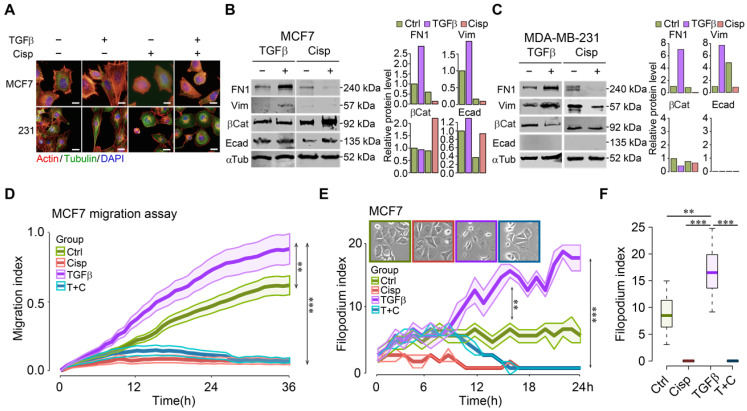
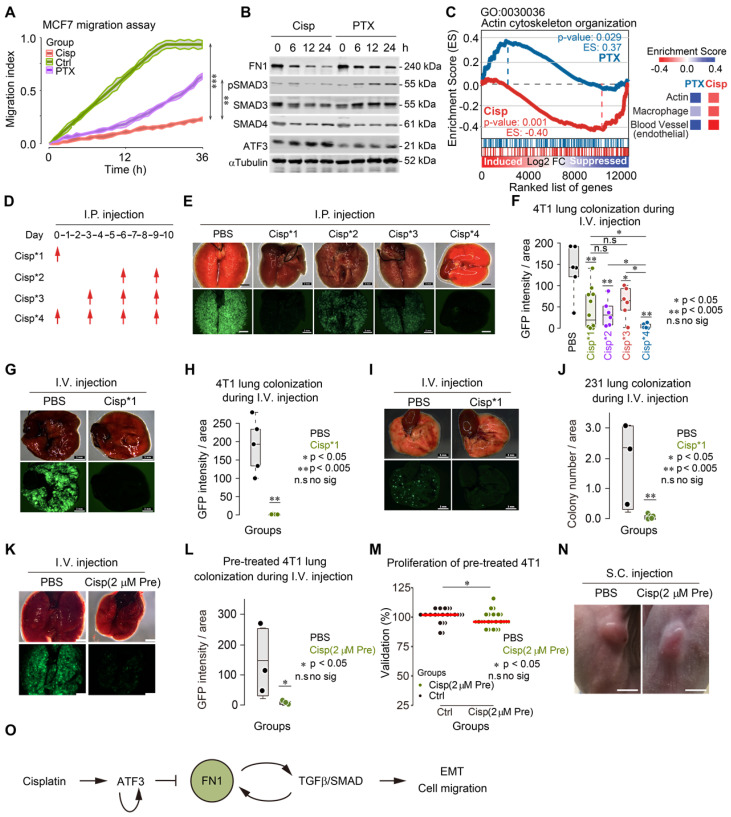
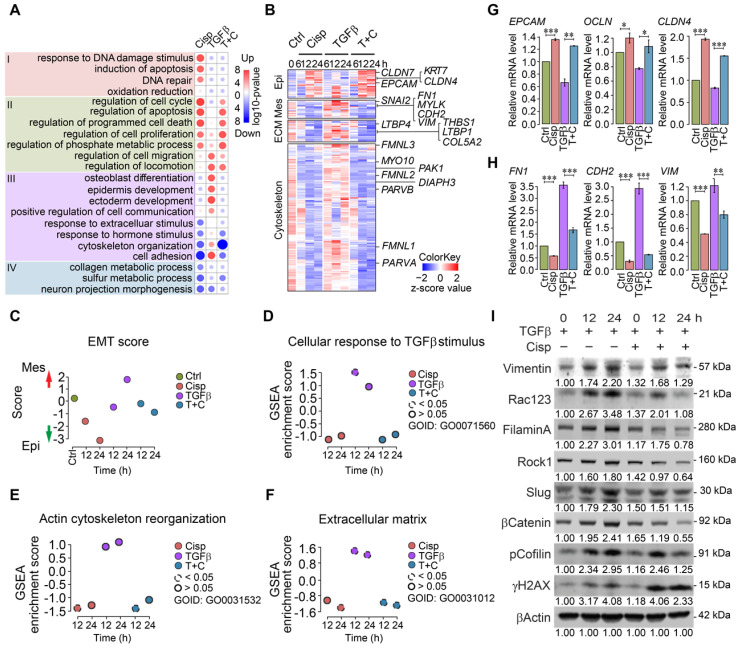
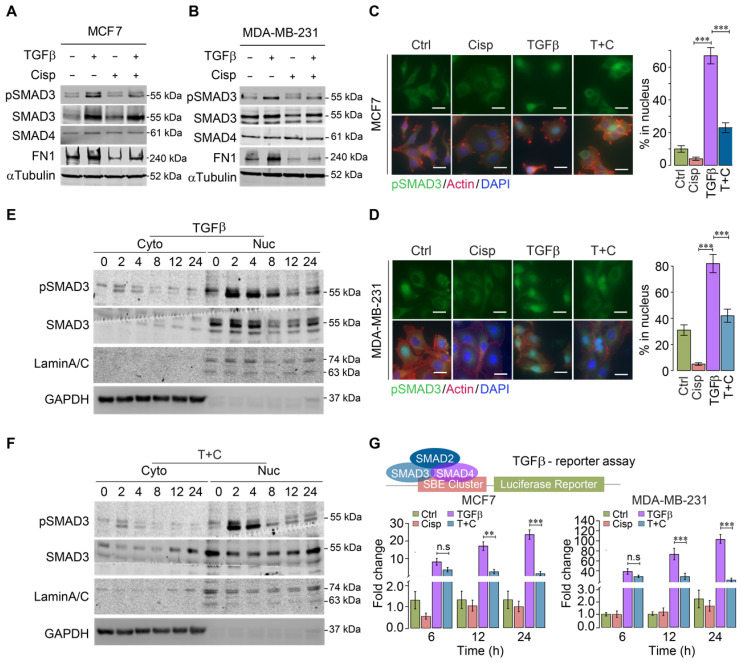
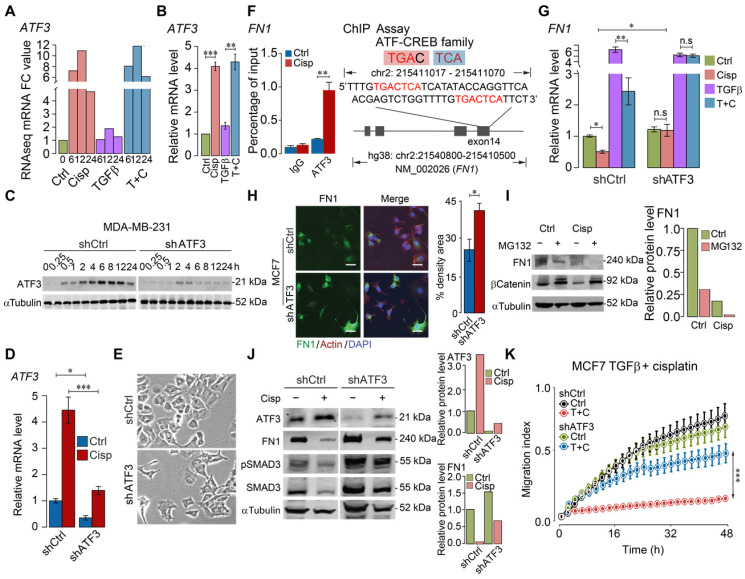
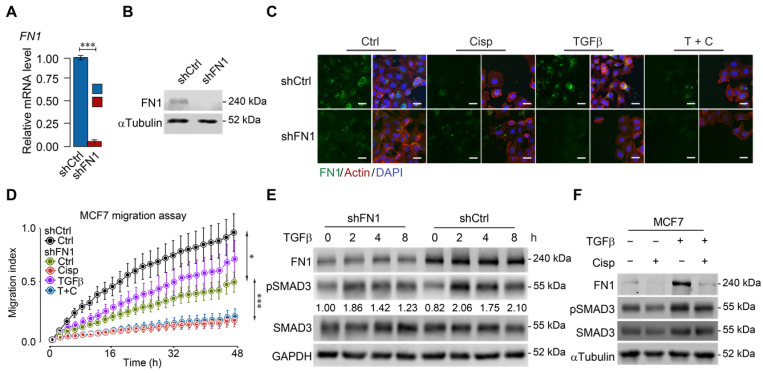
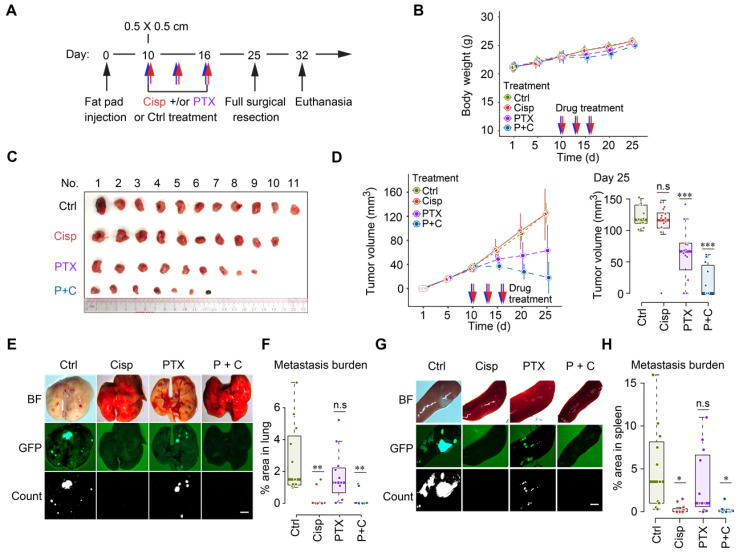
Cancer growth is usually accompanied by metastasis which kills most cancer patients. Here we aim to study the effect of cisplatin at different doses on breast cancer growth and metastasis. We used cisplatin to treat breast cancer cells, then detected the migration of cells and the changes of epithelial-mesenchymal transition (EMT) markers by migration assay, Western blot, and immunofluorescent staining. Next, we analyzed the changes of RNA expression of genes by RNA-seq and confirmed the binding of activating transcription factor 3 (ATF3) to cytoskeleton related genes by ChIP-seq. Thereafter, we combined cisplatin and paclitaxel in a neoadjuvant setting to treat xenograft mouse models. Furthermore, we analyzed the association of disease prognosis with cytoskeletal genes and ATF3 by clinical data analysis. When administered at a higher dose (6 mg/kg), cisplatin inhibits both cancer growth and metastasis, yet with strong side effects, whereas a lower dose (2 mg/kg) cisplatin blocks cancer metastasis without obvious killing effects. Cisplatin inhibits cancer metastasis through blocking early steps of EMT. It antagonizes transforming growth factor beta (TGFβ) signaling through suppressing transcription of many genes involved in cytoskeleton reorganization and filopodia formation which occur early in EMT and are responsible for cancer metastasis. Mechanistically, TGFβ and fibronectin-1 (FN1) constitute a positive reciprocal regulation loop that is critical for activating TGFβ/SMAD3 signaling, which is repressed by cisplatin induced expression of ATF3. Furthermore, neoadjuvant administration of cisplatin at 2 mg/kg in conjunction with paclitaxel inhibits cancer growth and blocks metastasis without causing obvious side effects by inhibiting colonization of cancer cells in the target organs. Thus, cisplatin prevents breast cancer metastasis through blocking early EMT, and the combination of cisplatin and paclitaxel represents a promising therapy for killing breast cancer and blocking tumor metastasis.
癌症的生长通常伴随着转移,这会导致大多数癌症患者死亡。在这里,我们旨在研究不同剂量顺铂对乳腺癌生长和转移的影响。我们用顺铂治疗乳腺癌细胞,然后通过迁移实验、Western blot 和免疫荧光染色检测细胞迁移和上皮-间充质转化(EMT)标志物的变化。接下来,我们通过 RNA-seq 分析基因的 RNA 表达变化,并通过 ChIP-seq 证实激活转录因子 3(ATF3)与细胞骨架相关基因的结合。此后,我们在新辅助治疗中结合顺铂和紫杉醇治疗异种移植小鼠模型。此外,我们通过临床数据分析分析疾病预后与细胞骨架基因和 ATF3 的相关性。当以较高剂量(6mg/kg)给药时,顺铂抑制癌症生长和转移,但副作用较强,而较低剂量(2mg/kg)顺铂阻断癌症转移而无明显杀伤作用。顺铂通过阻断 EMT 的早期步骤来抑制癌症转移。它通过抑制参与细胞骨架重排和早期 EMT 中形成的丝状伪足的形成的许多基因的转录来拮抗转化生长因子-β(TGFβ)信号,这些基因负责癌症转移。从机制上讲,TGFβ和纤连蛋白 1(FN1)构成一个正反馈调节环,对于激活 TGFβ/SMAD3 信号至关重要,而顺铂诱导的 ATF3 表达抑制了该信号。此外,顺铂以 2mg/kg 的新辅助剂量与紫杉醇联合使用可通过抑制癌细胞在靶器官中的定植来抑制肿瘤生长和阻止转移,而不会引起明显的副作用。因此,顺铂通过阻断早期 EMT 来预防乳腺癌转移,顺铂和紫杉醇的联合使用代表了一种有前途的治疗方法,可用于杀死乳腺癌并阻断肿瘤转移。