• 文献检索
  • 文档翻译
  • 深度研究
  • 学术资讯
  • Suppr Zotero 插件Zotero 插件
  • 邀请有礼
  • 套餐&价格
  • 历史记录
应用&插件
Suppr Zotero 插件Zotero 插件浏览器插件Mac 客户端Windows 客户端微信小程序
定价
高级版会员购买积分包购买API积分包
服务
文献检索文档翻译深度研究API 文档MCP 服务
关于我们
关于 Suppr公司介绍联系我们用户协议隐私条款
关注我们

Suppr 超能文献

核心技术专利:CN118964589B侵权必究
粤ICP备2023148730 号-1Suppr @ 2026

文献检索

告别复杂PubMed语法,用中文像聊天一样搜索,搜遍4000万医学文献。AI智能推荐,让科研检索更轻松。

立即免费搜索

文件翻译

保留排版,准确专业,支持PDF/Word/PPT等文件格式,支持 12+语言互译。

免费翻译文档

深度研究

AI帮你快速写综述,25分钟生成高质量综述,智能提取关键信息,辅助科研写作。

立即免费体验

我们别拿这事开太多玩笑!接触新冠病毒相关信息、态度及防护行为意图。

Let's Not Joke about It Too Much! Exposure to COVID-19 Messaging, Attitudes and Protective Behavioral Intentions.

作者信息

Curșeu Petru L, Coman Andra D, Fodor Oana C, Rațiu Lucia, Panchenko Anton

机构信息

Department of Psychology, Babeș-Bolyai University, 400084 Cluj-Napoca, Romania.

Department of Organization, Open Universiteit, 6419 AT Heerlen, The Netherlands.

出版信息

Healthcare (Basel). 2021 Jan 25;9(2):122. doi: 10.3390/healthcare9020122.

DOI:10.3390/healthcare9020122
PMID:33504058
原文链接:https://pmc.ncbi.nlm.nih.gov/articles/PMC7911645/
Abstract

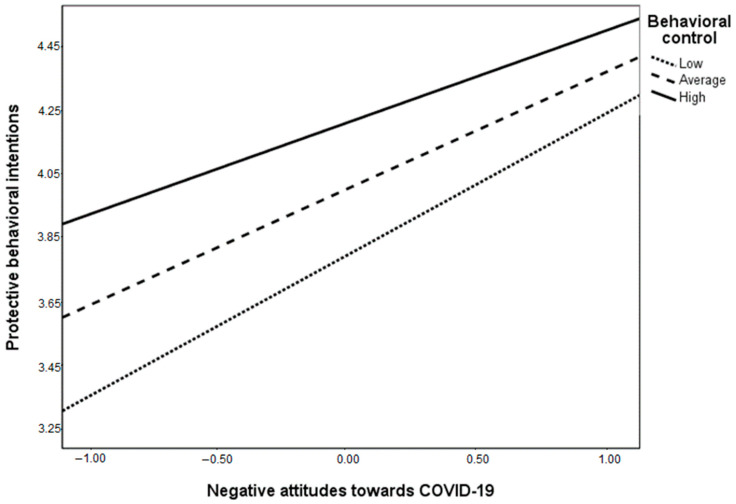
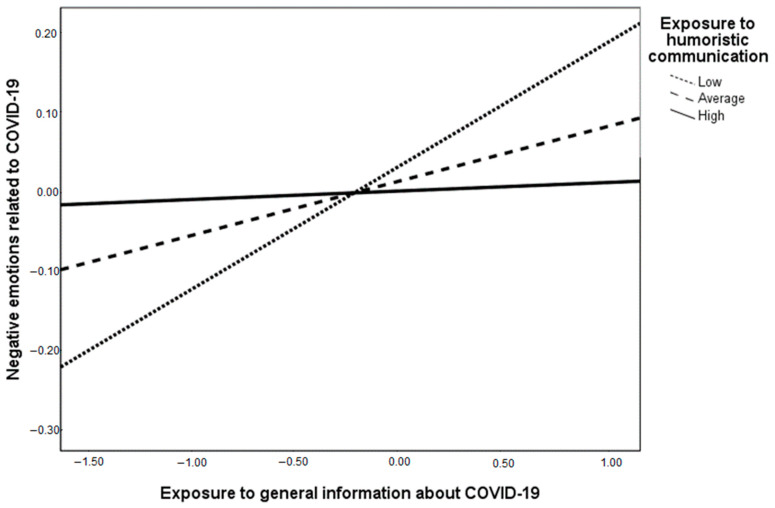
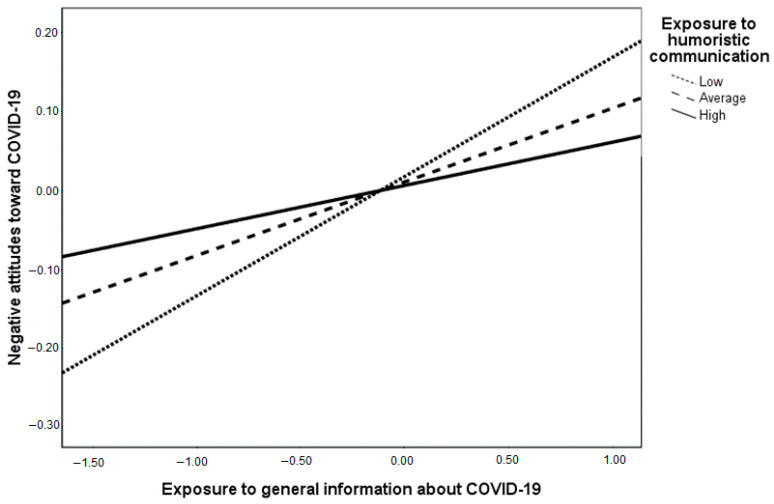
Our study evaluates the role of exposure to COVID-19 messaging in negativity towards COVID-19 and the intentions to engage in protective behaviors. Building on the theory of planned behavior (TPB), we derive a mediation model and test it in a sample of 737 participants (556 Romanians and 181 Kazakhs). The exposure to general information concerning COVID-19 positively predicts negative attitudes, negative emotions and the emergence of subjective norms in relation to COVID-19, as well as the likelihood of engaging in protective behavioral intentions. The exposure to humoristic communication, however, diluted the positive association between exposure to general information and negative attitudes, as well as negative emotions. The results support the overall predictions of the TPB and report positive associations between negative attitudes towards COVID-19, subjective norms and behavioral control on the one hand, and protective behavioral intentions on the other. Negative emotions significantly predict the likelihood of engaging in protective behaviors. Our results also show that older respondents tend to develop more negative attitudes towards COVID-19, yet they do not report stronger intentions to engage in protective behaviors than younger respondents. An important emergent result shows that time lapse seems to increase negativity towards COVID-19, yet it does not directly increase the likelihood of engaging in protective behaviors. Implications for public health communication related to COVID-19 are discussed.

摘要

我们的研究评估了接触新冠疫情信息在对新冠疫情的负面态度以及采取保护行为意图方面所起的作用。基于计划行为理论(TPB),我们推导了一个中介模型,并在737名参与者(556名罗马尼亚人和181名哈萨克人)的样本中对其进行了测试。接触有关新冠疫情的一般信息正向预测了对新冠疫情的负面态度、负面情绪以及主观规范的出现,还有采取保护行为意图的可能性。然而,接触幽默的传播内容削弱了接触一般信息与负面态度以及负面情绪之间的正向关联。研究结果支持了计划行为理论的总体预测,并报告了一方面对新冠疫情的负面态度、主观规范和行为控制与另一方面保护行为意图之间的正向关联。负面情绪显著预测了采取保护行为的可能性。我们的研究结果还表明,年长的受访者往往对新冠疫情产生更负面的态度,但他们报告的采取保护行为的意图并不比年轻受访者更强。一个重要的新出现的结果表明,时间推移似乎会增加对新冠疫情的负面态度,但它并不会直接增加采取保护行为的可能性。文中讨论了与新冠疫情相关的公共卫生传播的意义。
https://cdn.ncbi.nlm.nih.gov/pmc/blobs/7afe/7911645/a9d39de8c3f4/healthcare-09-00122-g003.jpg
https://cdn.ncbi.nlm.nih.gov/pmc/blobs/7afe/7911645/4dfe8a4e779e/healthcare-09-00122-g001.jpg
https://cdn.ncbi.nlm.nih.gov/pmc/blobs/7afe/7911645/2c59e784fcf7/healthcare-09-00122-g002.jpg
https://cdn.ncbi.nlm.nih.gov/pmc/blobs/7afe/7911645/a9d39de8c3f4/healthcare-09-00122-g003.jpg
https://cdn.ncbi.nlm.nih.gov/pmc/blobs/7afe/7911645/4dfe8a4e779e/healthcare-09-00122-g001.jpg
https://cdn.ncbi.nlm.nih.gov/pmc/blobs/7afe/7911645/2c59e784fcf7/healthcare-09-00122-g002.jpg
https://cdn.ncbi.nlm.nih.gov/pmc/blobs/7afe/7911645/a9d39de8c3f4/healthcare-09-00122-g003.jpg

相似文献

1
Let's Not Joke about It Too Much! Exposure to COVID-19 Messaging, Attitudes and Protective Behavioral Intentions.我们别拿这事开太多玩笑!接触新冠病毒相关信息、态度及防护行为意图。
Healthcare (Basel). 2021 Jan 25;9(2):122. doi: 10.3390/healthcare9020122.
2
A test of theory of planned behavior in Korea: participation in alcohol-related social gatherings.计划行为理论在韩国的检验:参与与酒精相关的社交聚会。
Int J Psychol. 2009 Dec;44(6):418-33. doi: 10.1080/00207590802644741.
3
Handwashing Message Type Predicts Behavioral Intentions in the United States at the Beginning of the Global COVID-19 Pandemic.全球 COVID-19 大流行初期美国的手卫生信息类型对行为意向的预测。
Front Public Health. 2021 May 5;9:583491. doi: 10.3389/fpubh.2021.583491. eCollection 2021.
4
Parent-for-child mask behavior during the COVID-19 pandemic in Canada and the United States: An investigation of attitudes, norms, and perceived control using the theory of planned behavior.加拿大和美国新冠疫情期间父母对孩子的口罩佩戴行为:运用计划行为理论对态度、规范和感知控制的调查
Prev Med Rep. 2021 Dec;24:101533. doi: 10.1016/j.pmedr.2021.101533. Epub 2021 Aug 28.
5
Predicting Adolescents' Intentions to Engage in Fire Risk Behaviors: An Application of the Theory of Planned Behavior.预测青少年参与火灾风险行为的意图:计划行为理论的应用。
Burns. 2019 Aug;45(5):1242-1250. doi: 10.1016/j.burns.2019.02.006. Epub 2019 Mar 6.
6
Attitudes, norms, and self-efficacy: a model of adolescents' HIV-related sexual risk behavior.态度、规范与自我效能:青少年与艾滋病病毒相关的性风险行为模型
Health Educ Q. 1992 Summer;19(2):263-77. doi: 10.1177/109019819201900209.
7
Examining intentions to engage in sun protective behaviors among Latino day laborers: An application of the theory of planned behavior.探究拉丁裔日工采取防晒行为的意图:计划行为理论的应用
Health Promot Perspect. 2021 Aug 18;11(3):351-359. doi: 10.34172/hpp.2021.45. eCollection 2021.
8
Predicting Exercise Intentions and Behaviors of Taiwanese Children in a Longitudinal Sample.预测台湾儿童在纵向样本中的锻炼意向和行为。
J Pediatr Nurs. 2020 Mar-Apr;51:e50-e56. doi: 10.1016/j.pedn.2019.08.008. Epub 2019 Aug 27.
9
Application of the theory of planned behavior to understand intentions to engage in physical and psychosocial health behaviors after cancer diagnosis.应用计划行为理论来理解癌症诊断后参与身体和心理社会健康行为的意图。
Psychooncology. 2006 Sep;15(9):759-71. doi: 10.1002/pon.1007.
10
Pedestrian self-reported use of smart phones: Positive attitudes and high exposure influence intentions to cross the road while distracted.行人自我报告的智能手机使用情况:积极态度和高暴露度会影响分心时过马路的意图。
Accid Anal Prev. 2017 Jan;98:338-347. doi: 10.1016/j.aap.2016.10.028. Epub 2016 Nov 5.

引用本文的文献

1
A Study of Reasons for Self-Disclosure on Social Media among Chinese COVID-19 Patients: Based on the Theory of Planned Behavior Model.中国新冠肺炎患者在社交媒体上自我披露原因的研究:基于计划行为理论模型
Healthcare (Basel). 2023 May 22;11(10):1509. doi: 10.3390/healthcare11101509.
2
From warning messages to preparedness behavior: The role of risk perception and information interaction in the Covid-19 pandemic.从警示信息到防范行为:风险认知与信息交互在新冠疫情中的作用
Int J Disaster Risk Reduct. 2022 Apr 15;73:102871. doi: 10.1016/j.ijdrr.2022.102871. Epub 2022 Mar 3.
3
Development and Validation of a Short Measure of Emotional, Physical, and Behavioral Markers of Eustress and Distress (MEDS).

本文引用的文献

1
Intention and Practice on Personal Preventive Measures Against the COVID-19 Pandemic Among Adults with Chronic Conditions in Southern Ethiopia: A Survey Using the Theory of Planned Behavior.埃塞俄比亚南部慢性病成年人针对新冠疫情的个人预防措施的意向与实践:一项基于计划行为理论的调查
J Multidiscip Healthc. 2020 Dec 3;13:1863-1877. doi: 10.2147/JMDH.S284707. eCollection 2020.
2
Risk Perception and Worries among Health Care Workers in the COVID-19 Pandemic: Findings from an Italian Survey.新冠疫情期间医护人员的风险认知与担忧:一项意大利调查的结果
Healthcare (Basel). 2020 Dec 3;8(4):535. doi: 10.3390/healthcare8040535.
3
一种用于衡量积极压力和消极压力的情绪、身体及行为指标的简短量表(MEDS)的开发与验证
Healthcare (Basel). 2022 Feb 10;10(2):339. doi: 10.3390/healthcare10020339.
Behavior change due to COVID-19 among dental academics-The theory of planned behavior: Stresses, worries, training, and pandemic severity.
COVID-19 对牙科学术界行为的改变-计划行为理论:压力、担忧、培训和大流行严重程度。
PLoS One. 2020 Sep 29;15(9):e0239961. doi: 10.1371/journal.pone.0239961. eCollection 2020.
4
Factors affecting perceived effectiveness of COVID-19 prevention measures among Filipinos during Enhanced Community Quarantine in Luzon, Philippines: Integrating Protection Motivation Theory and extended Theory of Planned Behavior.菲律宾吕宋岛强化社区隔离期间菲律宾人对 COVID-19 预防措施感知有效性的影响因素:整合保护动机理论和扩展计划行为理论。
Int J Infect Dis. 2020 Oct;99:312-323. doi: 10.1016/j.ijid.2020.07.074. Epub 2020 Aug 6.
5
Perception-based influence factors of intention to adopt COVID-19 epidemic prevention in China.基于感知的中国 COVID-19 疫情防控采纳意愿影响因素。
Environ Res. 2020 Nov;190:109995. doi: 10.1016/j.envres.2020.109995. Epub 2020 Jul 27.
6
Fighting COVID-19 Misinformation on Social Media: Experimental Evidence for a Scalable Accuracy-Nudge Intervention.社交媒体上抗击 COVID-19 错误信息:可扩展的准确性提示干预的实验证据。
Psychol Sci. 2020 Jul;31(7):770-780. doi: 10.1177/0956797620939054. Epub 2020 Jun 30.
7
Health-protective behaviour, social media usage and conspiracy belief during the COVID-19 public health emergency.健康保护行为、社交媒体使用与新冠疫情公共卫生紧急事件期间的阴谋论信仰。
Psychol Med. 2021 Jul;51(10):1763-1769. doi: 10.1017/S003329172000224X. Epub 2020 Jun 9.
8
COVID-19: Situation of European Countries so Far.新冠疫情:欧洲国家目前的状况。
Arch Med Res. 2020 Oct;51(7):723-725. doi: 10.1016/j.arcmed.2020.05.015. Epub 2020 May 22.
9
COVID-19 pandemic and addiction: Current problems and future concerns.2019冠状病毒病大流行与成瘾:当前问题及未来担忧
Asian J Psychiatr. 2020 Jun;51:102064. doi: 10.1016/j.ajp.2020.102064. Epub 2020 Apr 10.
10
Mental health problems and social media exposure during COVID-19 outbreak.新冠疫情期间的心理健康问题与社交媒体暴露
PLoS One. 2020 Apr 16;15(4):e0231924. doi: 10.1371/journal.pone.0231924. eCollection 2020.