Arnason Anne, Langarica Nayeli, Dugas Lara R, Mora Nallely, Luke Amy, Markossian Talar
Stritch School of Medicine, Loyola University Chicago, United States.
Parkinson School of Health Sciences and Public Health, Loyola University Chicago, United States.
Prev Med Rep. 2020 Dec 31;21:101299. doi: 10.1016/j.pmedr.2020.101299. eCollection 2021 Mar.
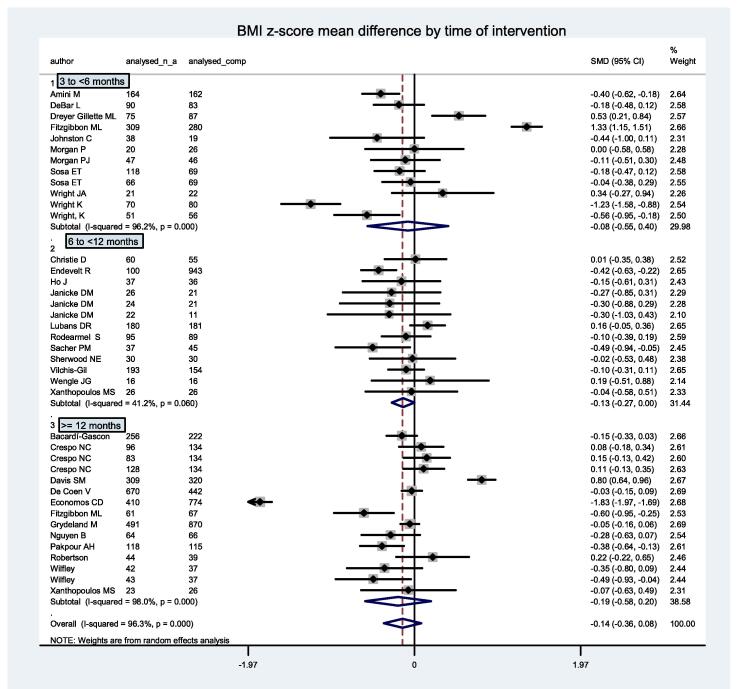
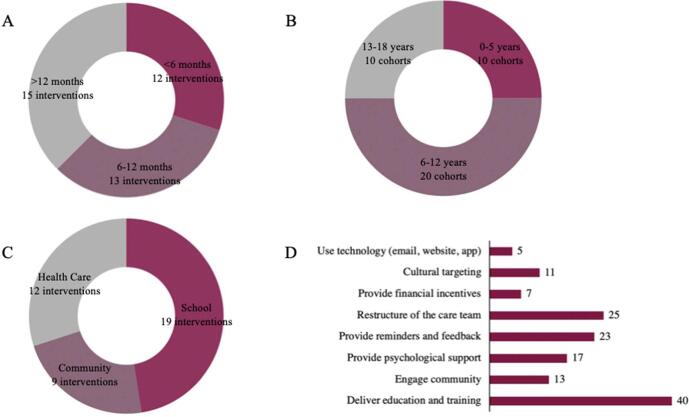
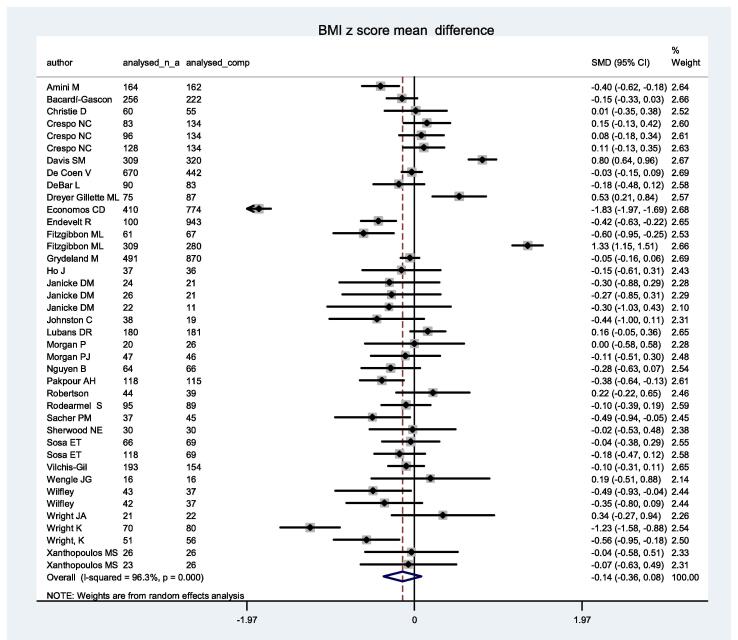
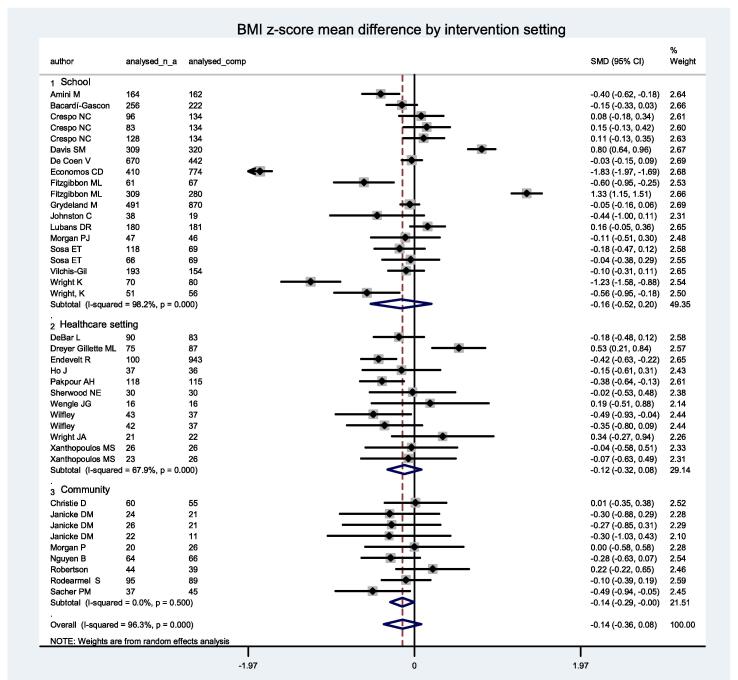
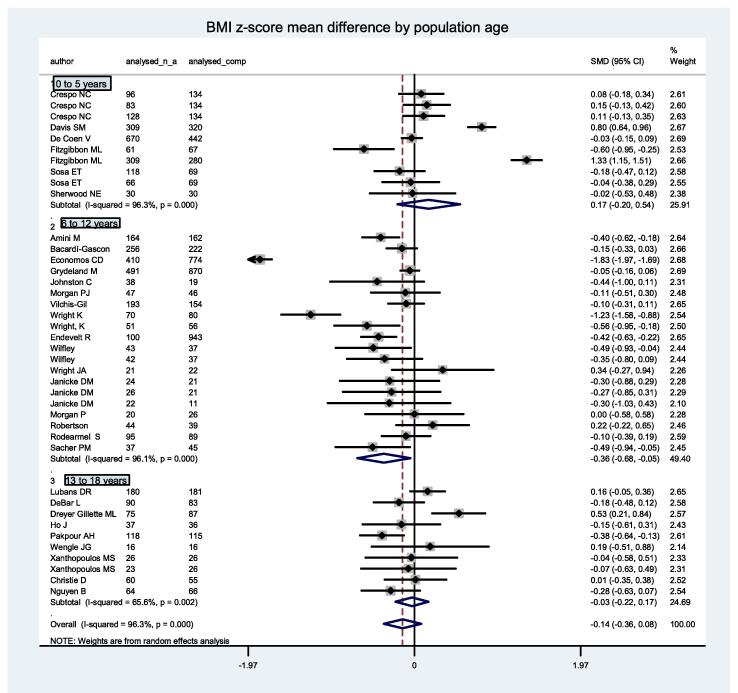
Nearly one in five young people in the United States has obesity, putting one-fifth of America's children at higher risk of having chronic health conditions and of having obesity into adulthood. Family-based lifestyle interventions (FBLI) have been proposed as effective mechanisms to improve the health through health education and the adoption of healthier behaviors. The aim of this review is to identify and summarize effective intervention activities and lessons learned that organizations can adopt when planning health promotion interventions for families, and to assess the effect of family-based lifestyle interventions on BMI z-score. A systematic review on lifestyle health-promotion interventions for families was conducted following PRISMA (Preferred Reporting Items for Systematic reviews and Meta-analyses) statements. Inclusion criteria were: duration ≥12 weeks and inclusion of family members. Summary data about the assessment tools, intervention strategies, and outcomes in parents and children were extracted and compared for all studies. A meta-analysis of BMI z-score change was conducted. Thirty-four articles were included in this review. Frequent strategies used were delivering education and training on healthy habits and well-being (94%), engaging community in the planning and implementation phases (80.6%) and providing reminders and feedback (47.2%). BMI z-score mean differences were reported in 40 cohorts and included in a meta-analysis, with no statistically significant differences between groups. The findings of this systematic review and meta-analysis indicate that components of a successful family lifestyle intervention program include duration between six to twelve months and delivery in a community setting. Other key factors include constructing a multidisciplinary team, using a mentor/role model approach, and reinforcing messaging with technology.
在美国,近五分之一的年轻人患有肥胖症,这使得五分之一的美国儿童面临更高的患慢性健康问题以及成年后肥胖的风险。基于家庭的生活方式干预(FBLI)已被提议作为通过健康教育和采取更健康行为来改善健康的有效机制。本综述的目的是识别并总结有效的干预活动以及组织在为家庭规划健康促进干预措施时可以借鉴的经验教训,并评估基于家庭的生活方式干预对BMI z评分的影响。按照PRISMA(系统评价和Meta分析的首选报告项目)声明对针对家庭的生活方式健康促进干预措施进行了系统评价。纳入标准为:持续时间≥12周且纳入家庭成员。提取并比较了所有研究中关于评估工具、干预策略以及父母和儿童的结果的汇总数据。对BMI z评分变化进行了Meta分析。本综述纳入了34篇文章。常用策略包括提供关于健康习惯和幸福感的教育与培训(94%)、让社区参与规划和实施阶段(80.6%)以及提供提醒和反馈(47.2%)。40个队列报告了BMI z评分的平均差异并纳入了Meta分析,各群组之间无统计学显著差异。本系统评价和Meta分析的结果表明,成功的家庭生活方式干预项目的组成部分包括持续时间为六至十二个月并在社区环境中开展。其他关键因素包括组建多学科团队、采用导师/榜样方法以及利用技术强化信息传递。