Elhattab Karim, Bhaduri Sarit B, Sikder Prabaha
Department of Mechanical, Industrial & Manufacturing Engineering, The University of Toledo, Toledo, OH 43606, USA.
EEC Division, Directorate of Engineering, The National Science Foundation, Alexandria, VA 22314, USA.
Polymers (Basel). 2022 Mar 17;14(6):1222. doi: 10.3390/polym14061222.
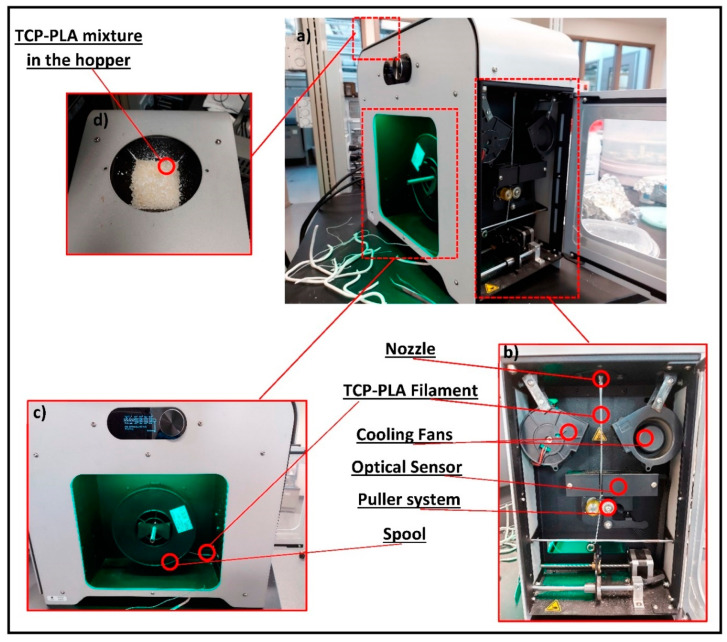
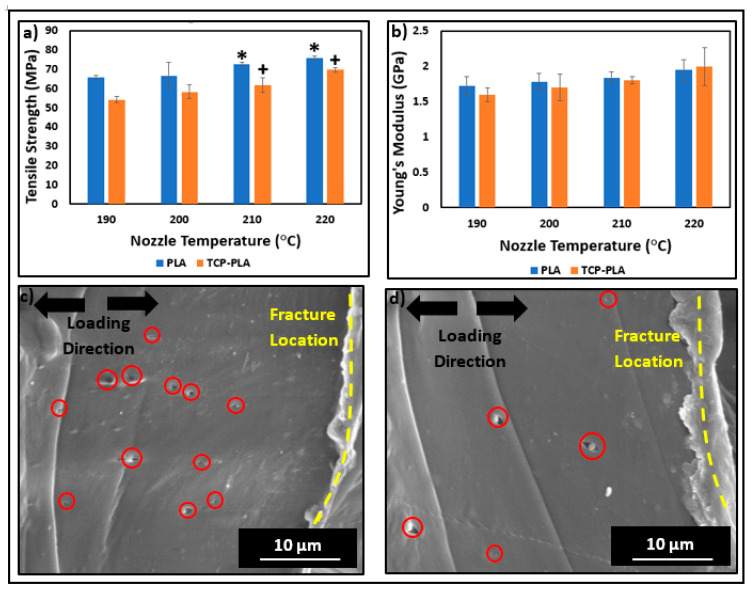
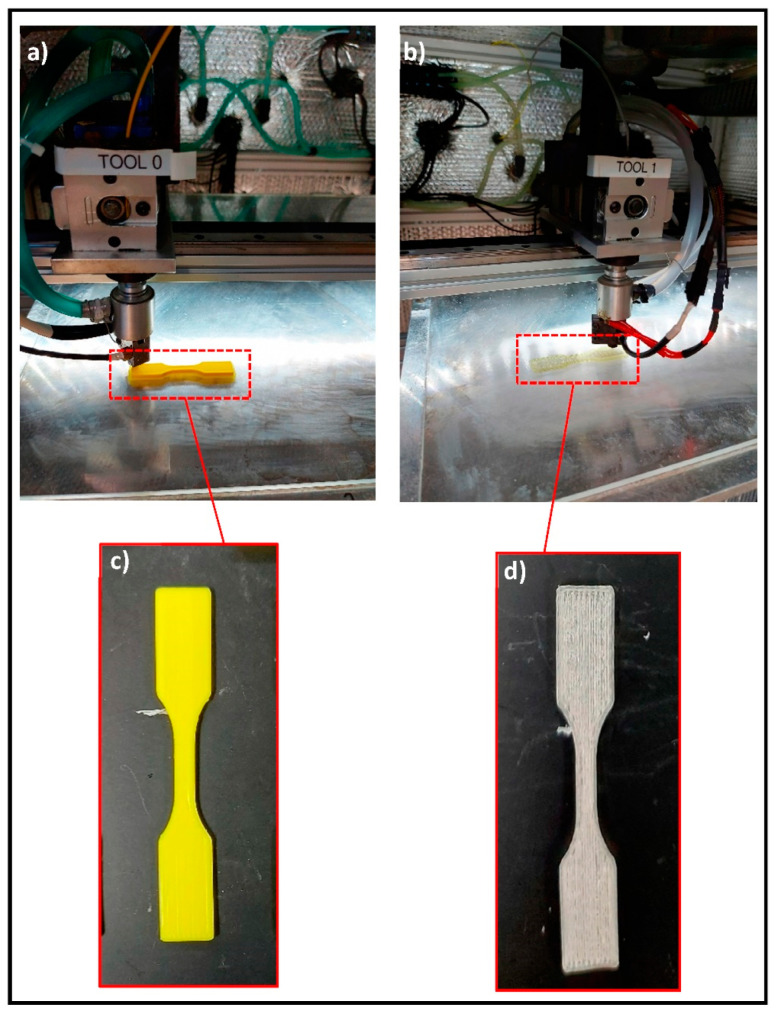
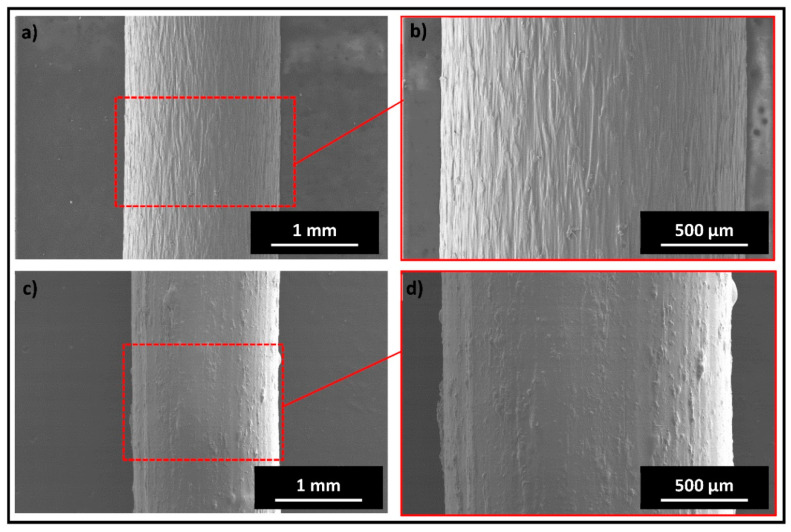
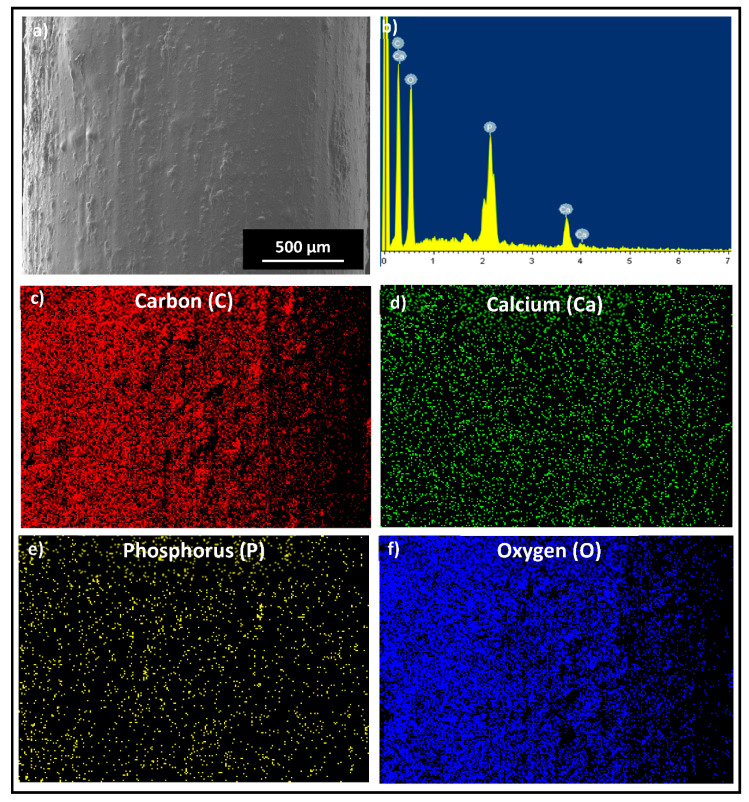
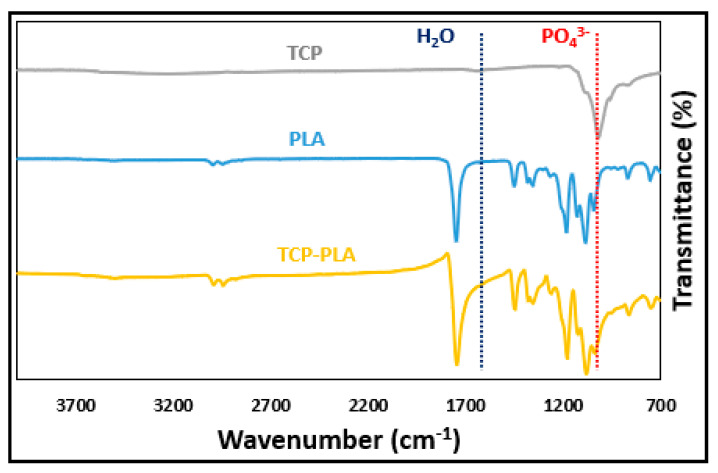
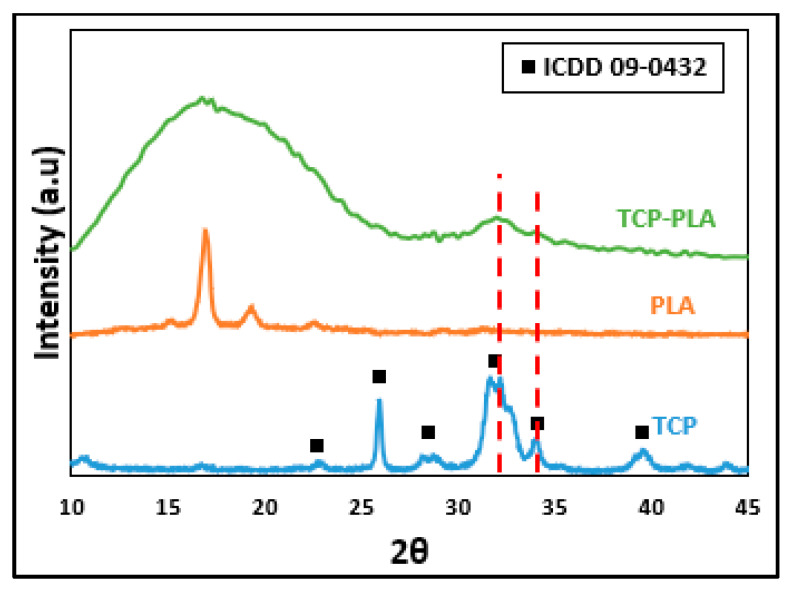
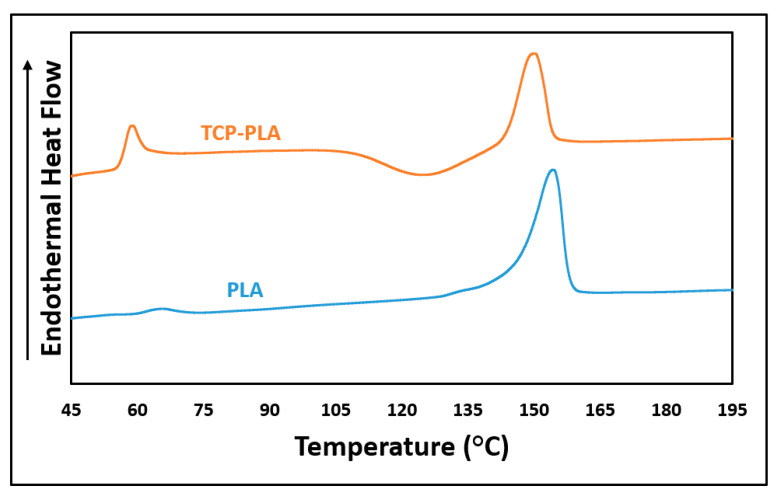
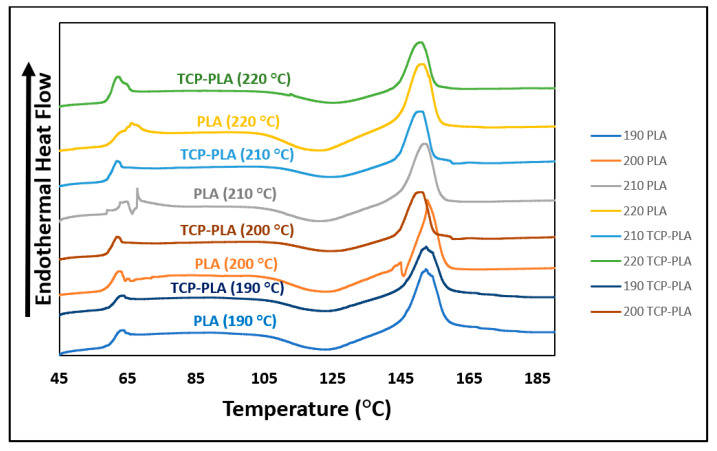
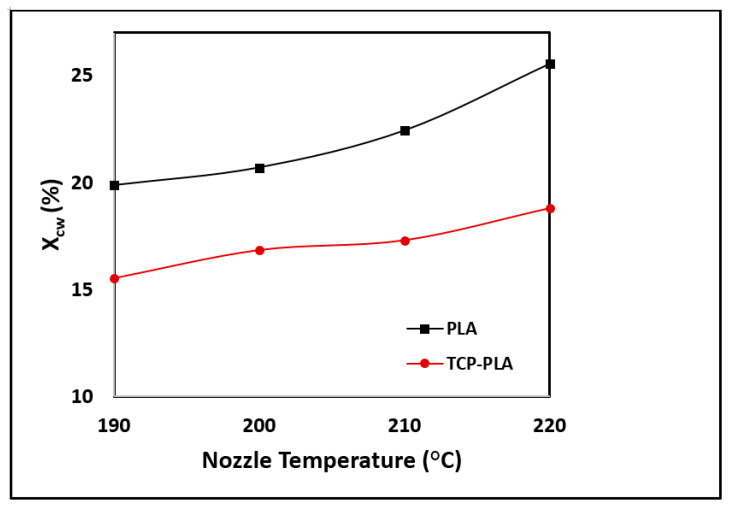
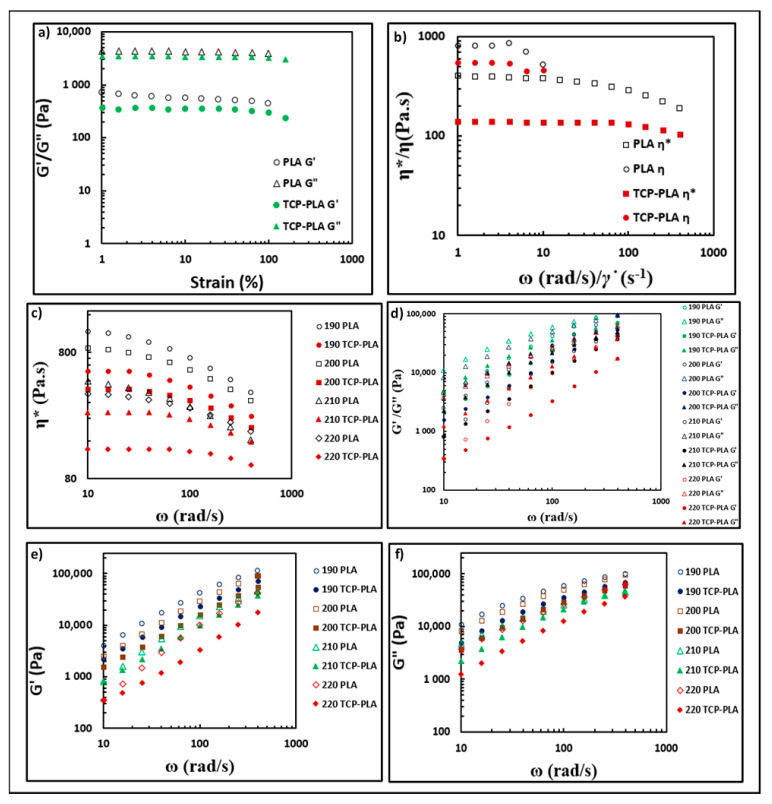
The primary goal of this study is to develop and analyze 3D printed structures based on a well-known composite known as β-Tricalcium Phosphate (TCP)- polylactic acid (PLA). There are some interesting aspects of this study. First, we developed 3D printable TCP-PLA composite filaments in-house, with high reproducibility, by a one-step process method using a single screw extruder. Second, we explored the physicochemical properties of the developed TCP-PLA composite filaments. Third, we investigated the effect of an FDM-based nozzle temperature of 190 °C, 200 °C, 210 °C, and 220 °C on the composite's crystallinity and rheological and mechanical properties. Results confirmed the successful development of constant-diameter TCP-PLA composite filaments with a homogeneous distribution of TCP particles in the PLA matrix. We observed that a higher nozzle temperature in the FDM process increased the crystallinity of the printed PLA and TCP-PLA structures. As a result, it also helped to enhance the mechanical properties of the printed structures. The rheological studies were performed in the same temperature range used in the actual FDM process, and results showed an improvement in rheological properties at higher nozzle temperatures. The bare polymer and the composite polymer-ceramic melts exhibited lower viscosity and less rigidity at higher nozzle temperatures, which resulted in enhancing the polymer melt flowability and interlayer bonding between the printed layers. Overall, our results confirmed that 3D printable TCP-PLA filaments could be made in-house, and optimization of the nozzle temperature is essential to developing 3D printed composite parts with favorable mechanical properties.
本研究的主要目标是基于一种名为β-磷酸三钙(TCP)-聚乳酸(PLA)的知名复合材料开发并分析3D打印结构。这项研究有一些有趣的方面。首先,我们通过使用单螺杆挤出机的一步法工艺在内部开发了具有高重现性的3D可打印TCP-PLA复合长丝。其次,我们探索了所开发的TCP-PLA复合长丝的物理化学性质。第三,我们研究了基于熔融沉积成型(FDM)的190℃、200℃、210℃和220℃喷嘴温度对复合材料结晶度以及流变和机械性能的影响。结果证实成功开发出了TCP颗粒在PLA基体中均匀分布的等直径TCP-PLA复合长丝。我们观察到FDM工艺中较高的喷嘴温度提高了打印的PLA和TCP-PLA结构的结晶度。结果,这也有助于提高打印结构的机械性能。流变学研究是在实际FDM工艺所使用的相同温度范围内进行的,结果表明在较高喷嘴温度下流变性能有所改善。在较高喷嘴温度下,纯聚合物和复合聚合物-陶瓷熔体表现出较低的粘度和较小的刚性,这导致聚合物熔体流动性增强以及打印层之间的层间粘结增强。总体而言,我们的结果证实可以在内部制造3D可打印的TCP-PLA长丝,并且喷嘴温度的优化对于开发具有良好机械性能的3D打印复合部件至关重要。