Department of Radiology, ASST Fatebenefratelli Sacco, P.zza Principessa Clotilde, 3, 20121, Milan, Italy.
Department of Radiology, San Raffaele Hospital, via Olgettina 60, 20123, Milan, Italy.
Emerg Radiol. 2021 Jun;28(3):519-526. doi: 10.1007/s10140-021-01905-6. Epub 2021 Jan 30.
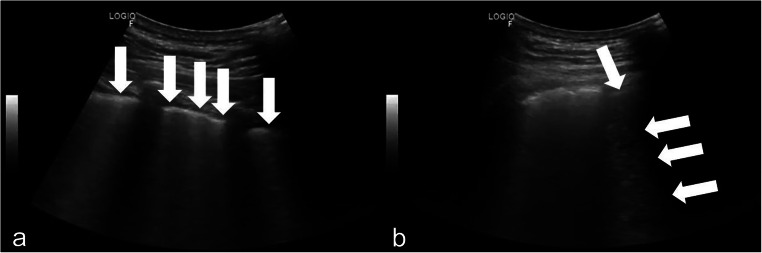
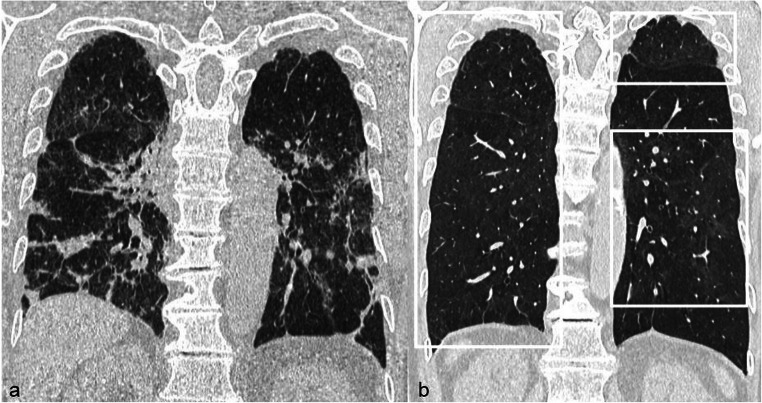
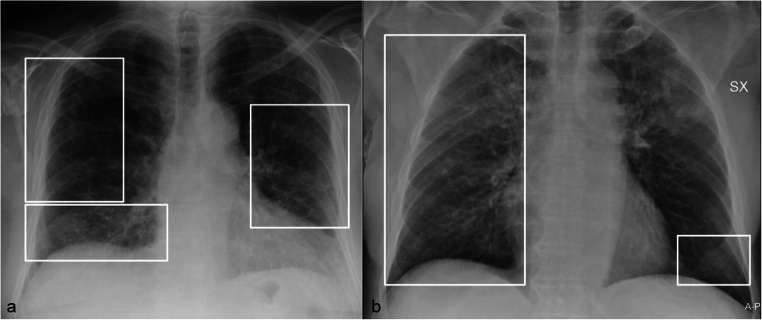
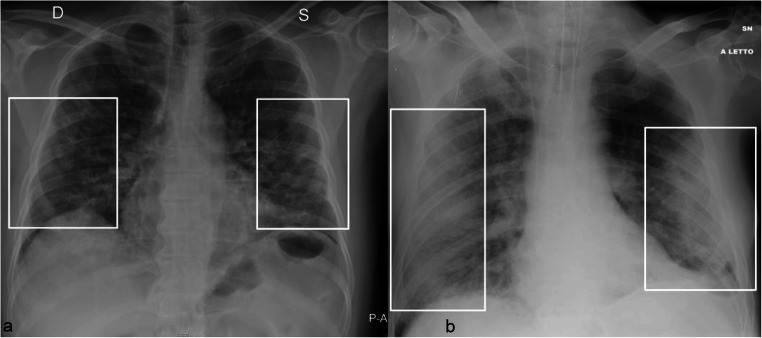
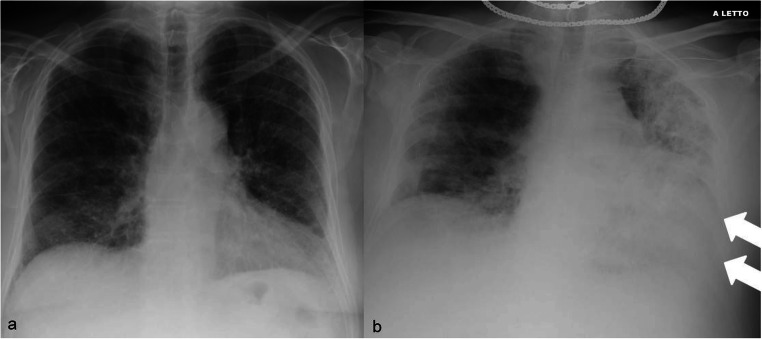
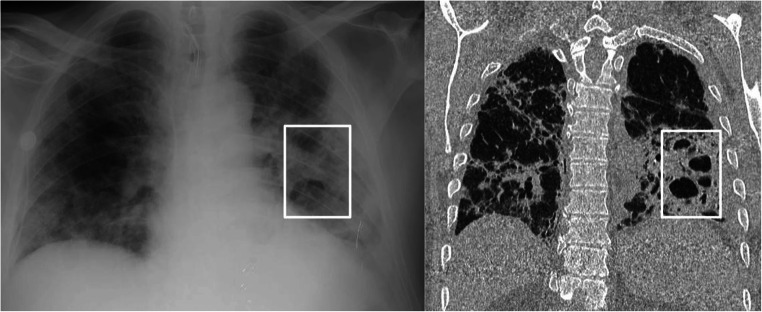
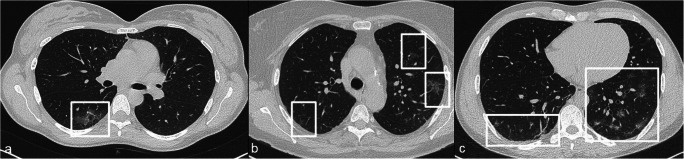
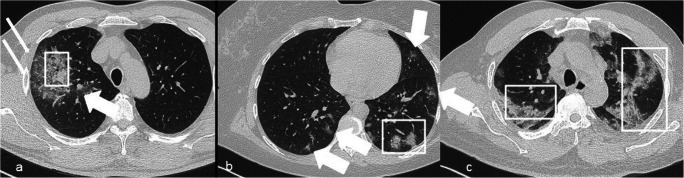
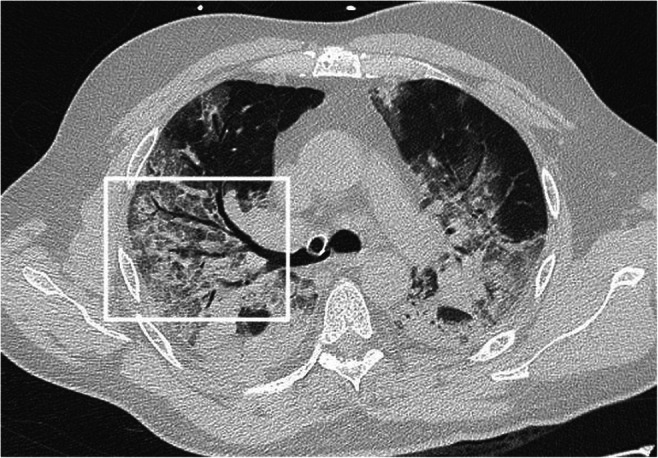
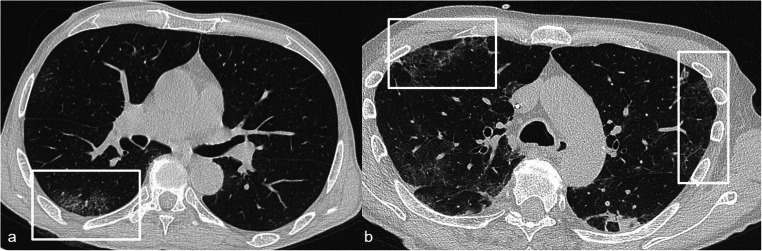
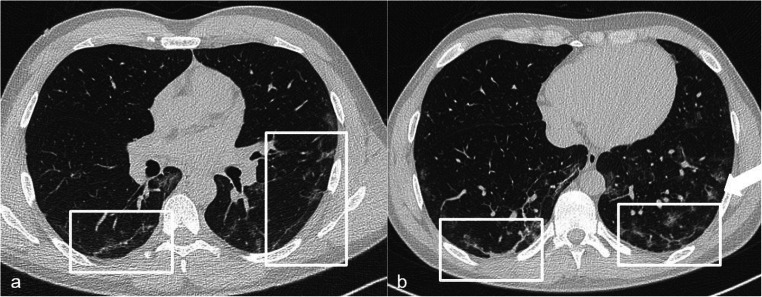
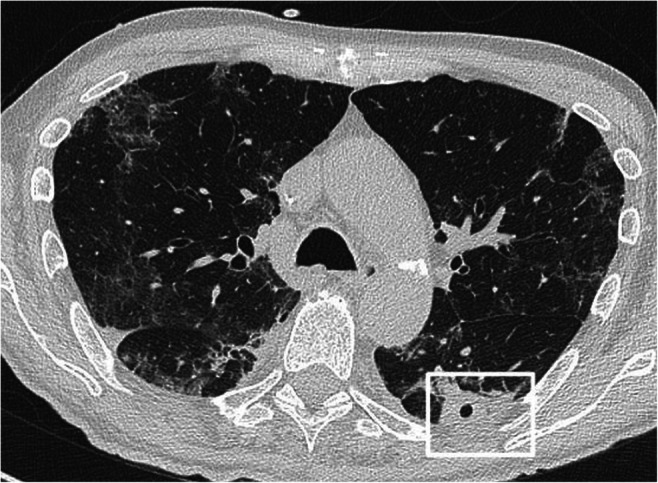
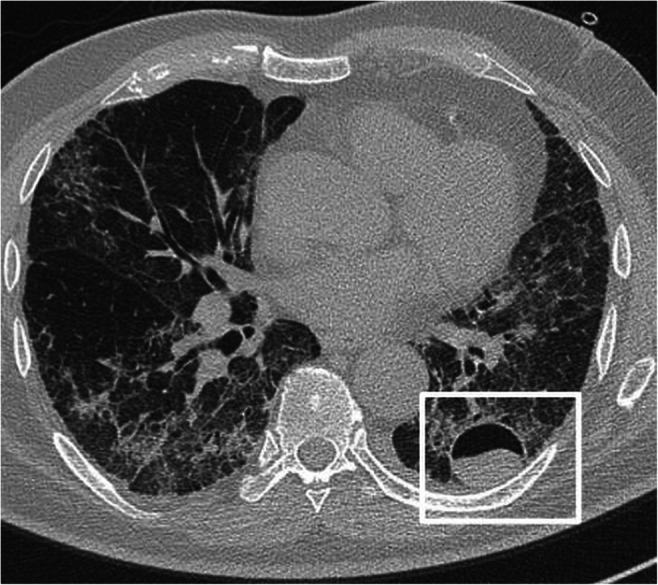
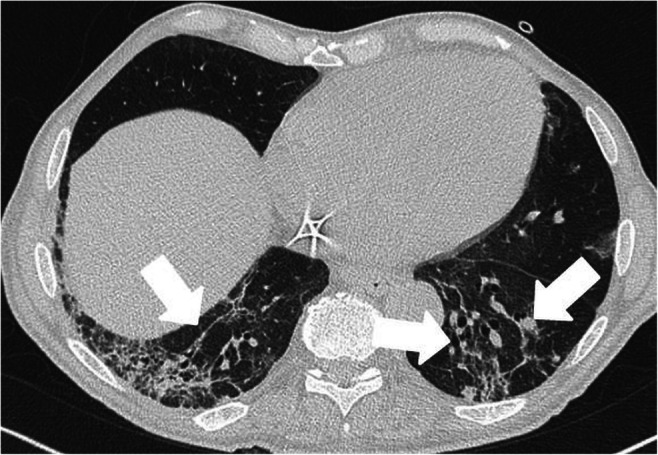
Ultrasound, chest X-ray, and computed tomography (CT) have been used with excellent results in diagnosis, first assessment, and follow-up of COVID-19 confirmed and suspected patients. Ultrasound and chest X-ray have the advantages of the wide availability and acquisition at the patient's bed; CT showed high sensitivity in COVID-19 diagnosis. Ground-glass opacities and consolidation are the main CT and X-ray features; the distribution of lung abnormalities is typically bilateral and peripheral. Less typical findings, including pleural effusion, mediastinal lymphadenopathies, the bubble air sign, and cavitation, can also be visible on chest CT. Radiologists should be aware of the advantages and limitations of the available imaging techniques and of the different pulmonary aspects of COVID-19 infection.
超声、胸部 X 射线和计算机断层扫描 (CT) 在 COVID-19 确诊和疑似患者的诊断、初步评估和随访中取得了极好的效果。超声和胸部 X 射线具有广泛可用性和可在患者床边采集的优势;CT 显示出在 COVID-19 诊断方面的高灵敏度。磨玻璃影和实变是 CT 和 X 射线的主要特征;肺部异常的分布通常是双侧和外周性的。在胸部 CT 上还可以看到不太典型的表现,包括胸腔积液、纵隔淋巴结病、气泡空气征和空洞。放射科医生应该了解可用成像技术的优缺点,以及 COVID-19 感染的不同肺部表现。