Dumont Ursule, Sanchez Stéphane, Repond Cendrine, Beauvieux Marie-Christine, Chateil Jean-François, Pellerin Luc, Bouzier-Sore Anne-Karine, Roumes Hélène
CRMSB, UMR 5536, CNRS/University of Bordeaux, Bordeaux, France.
Département de Physiologie, University of Lausanne, Lausanne, Switzerland.
Front Neurosci. 2021 Jan 15;14:616824. doi: 10.3389/fnins.2020.616824. eCollection 2020.
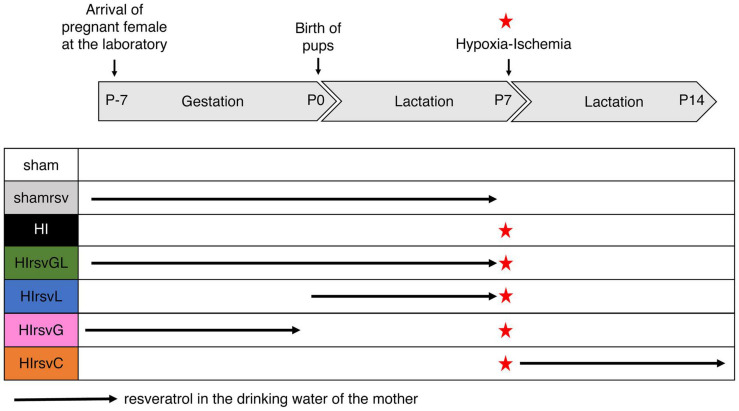
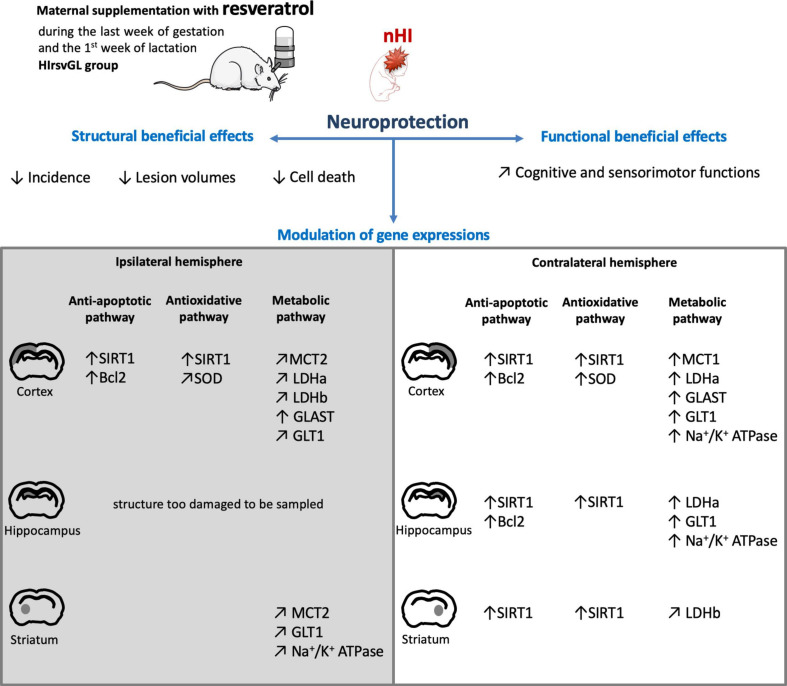
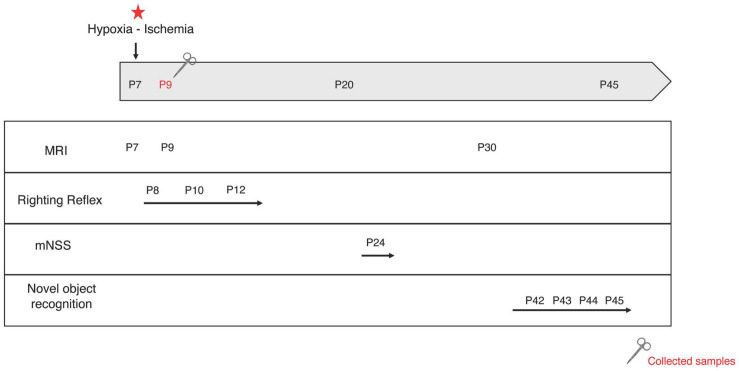
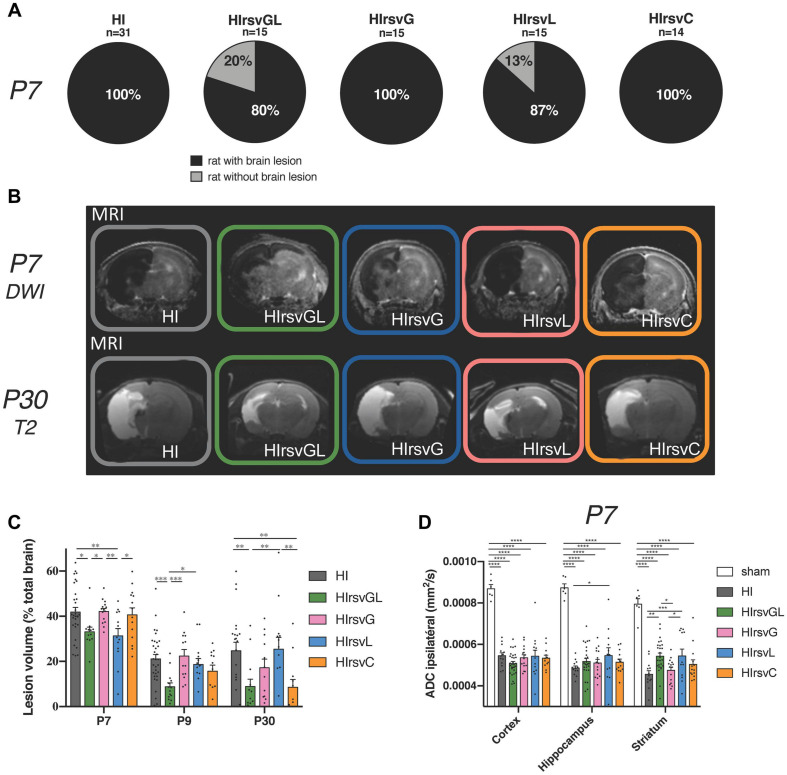
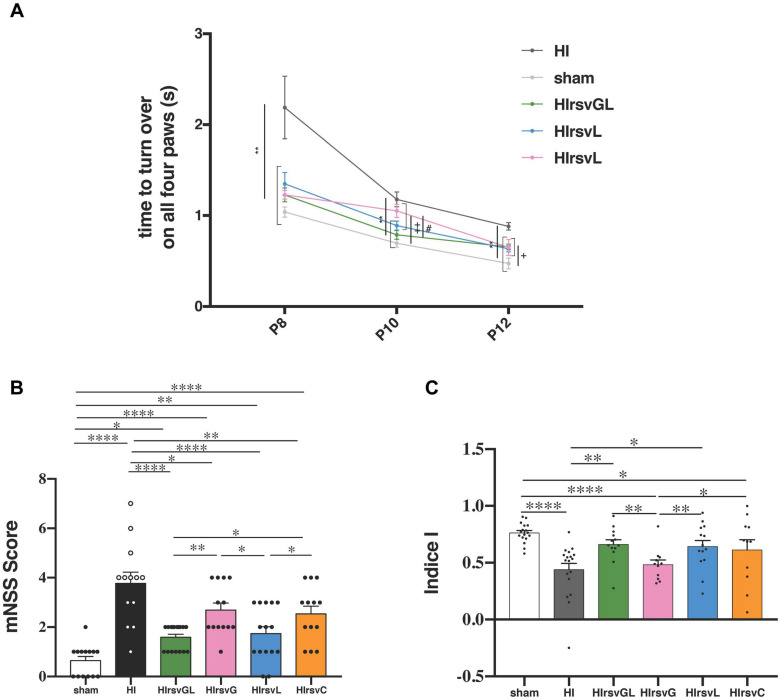
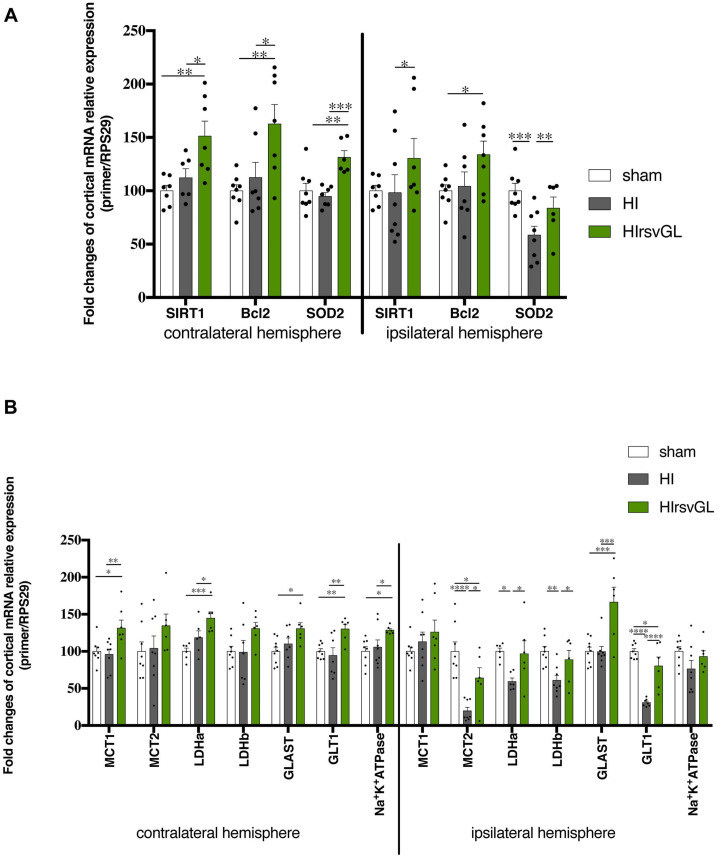
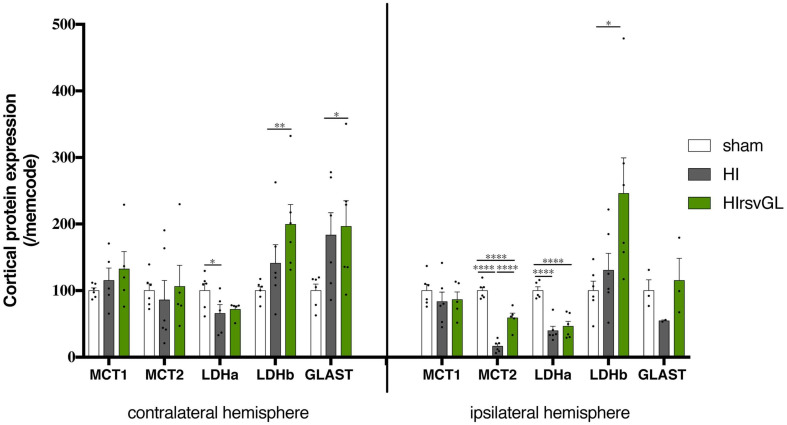
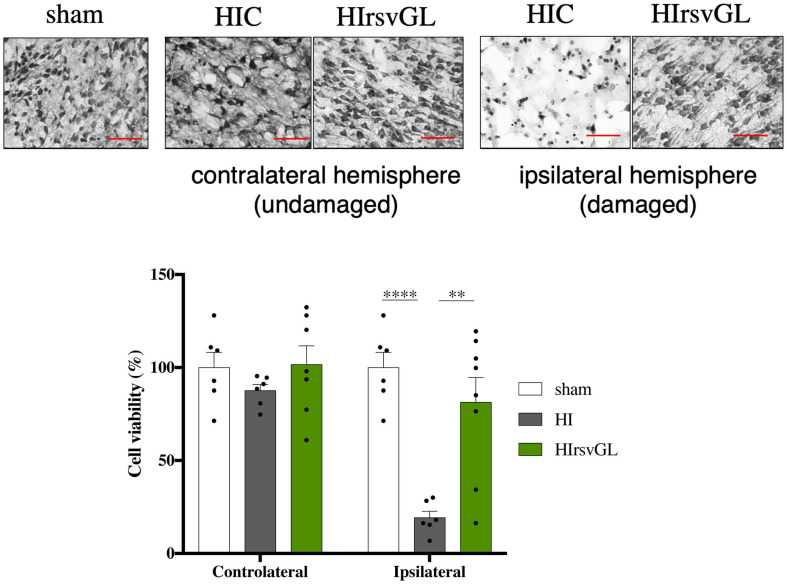
Neonatal hypoxia-ischemia (nHI) is a major cause of death or subsequent disabilities in infants. Hypoxia-ischemia causes brain lesions, which are induced by a strong reduction in oxygen and nutrient supply. Hypothermia is the only validated beneficial intervention, but not all newborns respond to it and today no pharmacological treatment exists. Among possible therapeutic agents to test, -resveratrol is an interesting candidate as it has been reported to exhibit neuroprotective effects in some neurodegenerative diseases. This experimental study aimed to investigate a possible neuroprotection by resveratrol in rat nHI, when administered to the pregnant rat female, at a nutritional dose. Several groups of pregnant female rats were studied in which resveratrol was added to drinking water either during the last week of pregnancy, the first week of lactation, or both. Then, 7-day old pups underwent a hypoxic-ischemic event. Pups were followed longitudinally, using both MRI and behavioral testing. Finally, a last group was studied in which breastfeeding females were supplemented 1 week with resveratrol just after the hypoxic-ischemic event of the pups (to test the curative rather than the preventive effect). To decipher the molecular mechanisms of this neuroprotection, RT-qPCR and Western blots were also performed on pup brain samples. Data clearly indicated that when pregnant and/or breastfeeding females were supplemented with resveratrol, hypoxic-ischemic offspring brain lesions were significantly reduced. Moreover, maternal resveratrol supplementation allowed to reverse sensorimotor and cognitive deficits caused by the insult. The best recoveries were observed when resveratrol was administered during both gestation and lactation (2 weeks before the hypoxic-ischemic event in pups). Furthermore, neuroprotection was also observed in the curative group, but only at the latest stages examined. Our hypothesis is that resveratrol, in addition to the well-known neuroprotective benefits the sirtuin's pathway (antioxidant properties, inhibition of apoptosis), has an impact on brain metabolism, and more specifically on the astrocyte-neuron lactate shuttle (ANLS) as suggested by RT-qPCR and Western blot data, that contributes to the neuroprotective effects.
新生儿缺氧缺血(nHI)是婴儿死亡或随后致残的主要原因。缺氧缺血会导致脑损伤,这是由氧气和营养供应的大幅减少所引发的。低温是唯一经过验证的有益干预措施,但并非所有新生儿都对其有反应,而且目前尚无药物治疗方法。在可能进行测试的治疗药物中,白藜芦醇是一个有趣的候选药物,因为据报道它在一些神经退行性疾病中具有神经保护作用。这项实验研究旨在探讨当以营养剂量给怀孕的雌性大鼠施用白藜芦醇时,其在大鼠nHI中是否具有可能的神经保护作用。研究了几组怀孕的雌性大鼠,在怀孕的最后一周、哺乳期的第一周或这两个阶段,将白藜芦醇添加到饮用水中。然后,对7日龄的幼崽进行缺氧缺血事件处理。使用MRI和行为测试对幼崽进行纵向跟踪。最后,研究了最后一组,即在幼崽发生缺氧缺血事件后,对哺乳期雌性大鼠补充白藜芦醇1周(以测试其治疗而非预防效果)。为了解析这种神经保护的分子机制,还对幼崽的脑样本进行了RT-qPCR和蛋白质免疫印迹分析。数据清楚地表明,当怀孕和/或哺乳期的雌性大鼠补充白藜芦醇时,缺氧缺血后代的脑损伤明显减少。此外,母体补充白藜芦醇能够逆转由损伤引起的感觉运动和认知缺陷。当在妊娠和哺乳期都施用白藜芦醇时(幼崽缺氧缺血事件前2周),观察到了最佳的恢复情况。此外,在治疗组中也观察到了神经保护作用,但仅在检查的最晚阶段。我们的假设是,白藜芦醇除了通过sirtuin途径具有众所周知的神经保护益处(抗氧化特性、抑制细胞凋亡)外,还会对脑代谢产生影响,更具体地说,如RT-qPCR和蛋白质免疫印迹数据所示,会对星形胶质细胞 - 神经元乳酸穿梭(ANLS)产生影响,这有助于神经保护作用。