Cano Jordi, Zorio Esther, Mazzanti Andrea, Arnau Miguel Ángel, Trenor Beatriz, Priori Silvia G, Saiz Javier, Romero Lucia
Centro de Investigación e Innovación en Bioingeniería (CI2B), Universitat Politècnica de València, Valencia, España.
Unidad de Cardiopatías Familiares y Muerte Súbita, Servicio de Cardiología, Hospital Universitario y Politécnico La Fe, Valencia, España.
Front Pharmacol. 2020 Dec 17;11:580481. doi: 10.3389/fphar.2020.580481. eCollection 2020.
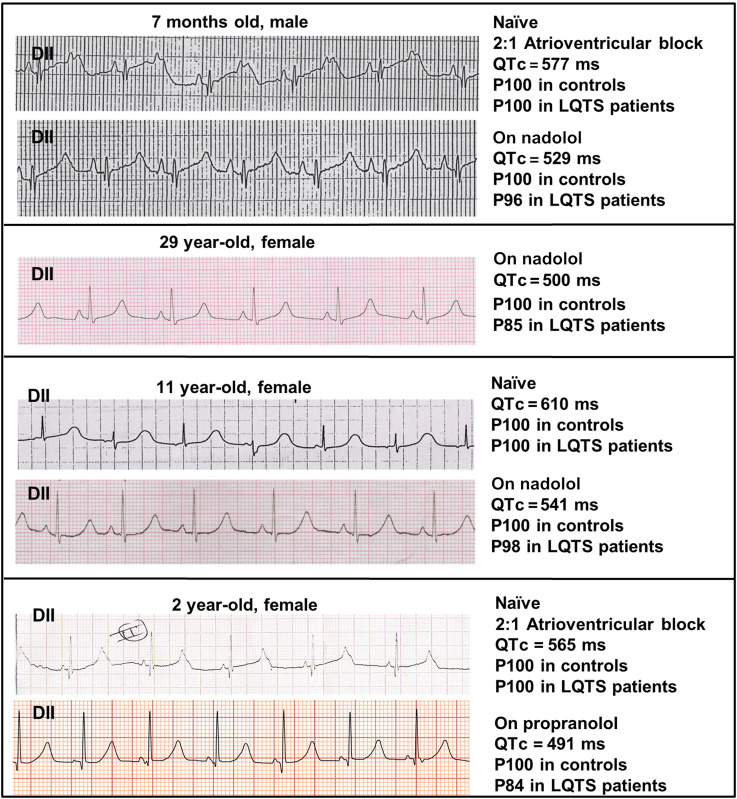
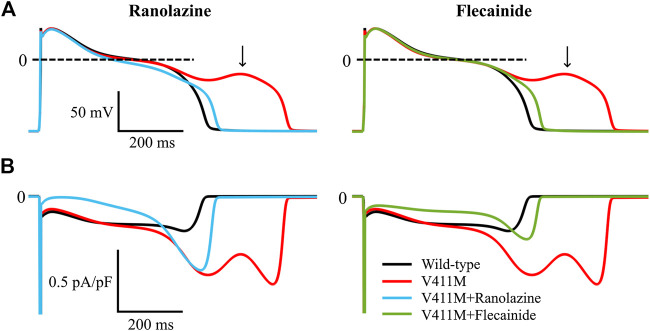
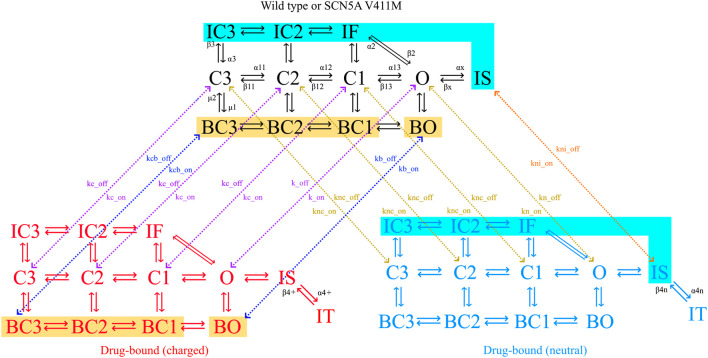
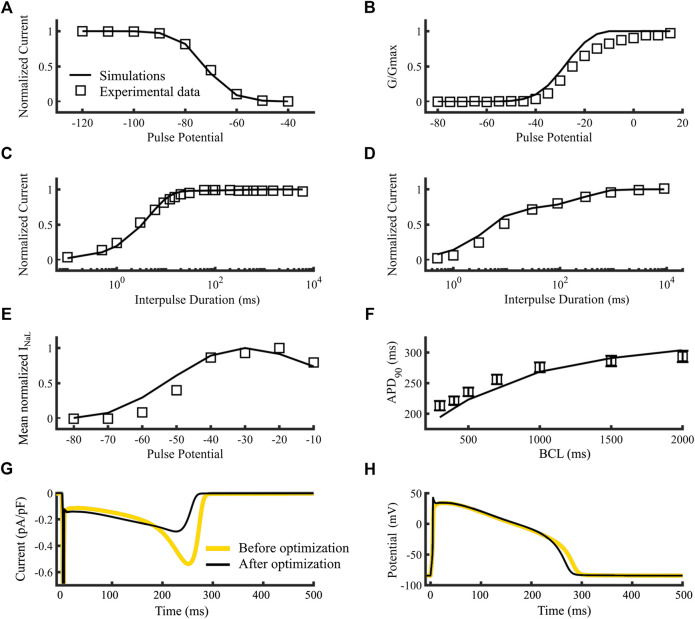
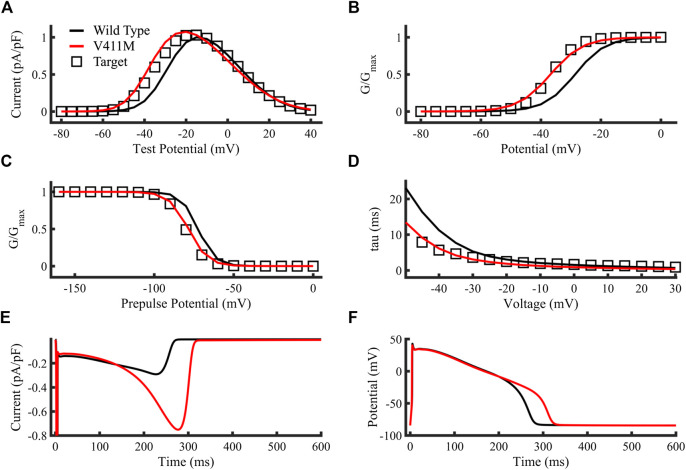
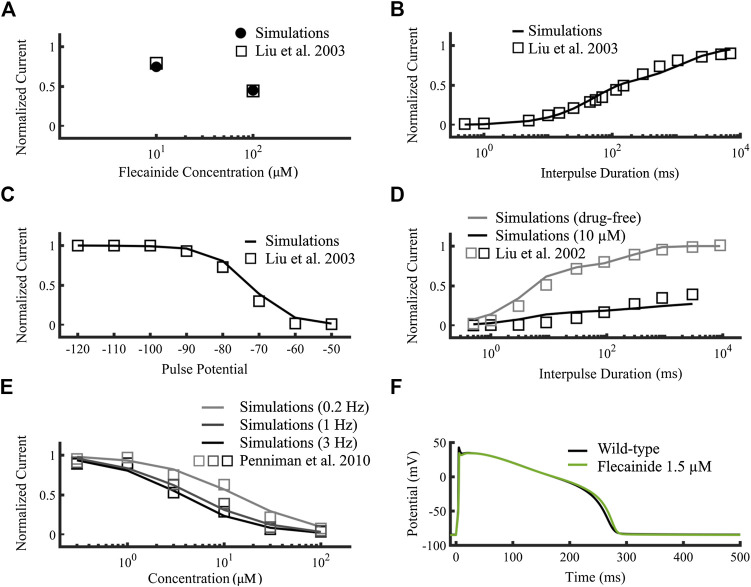
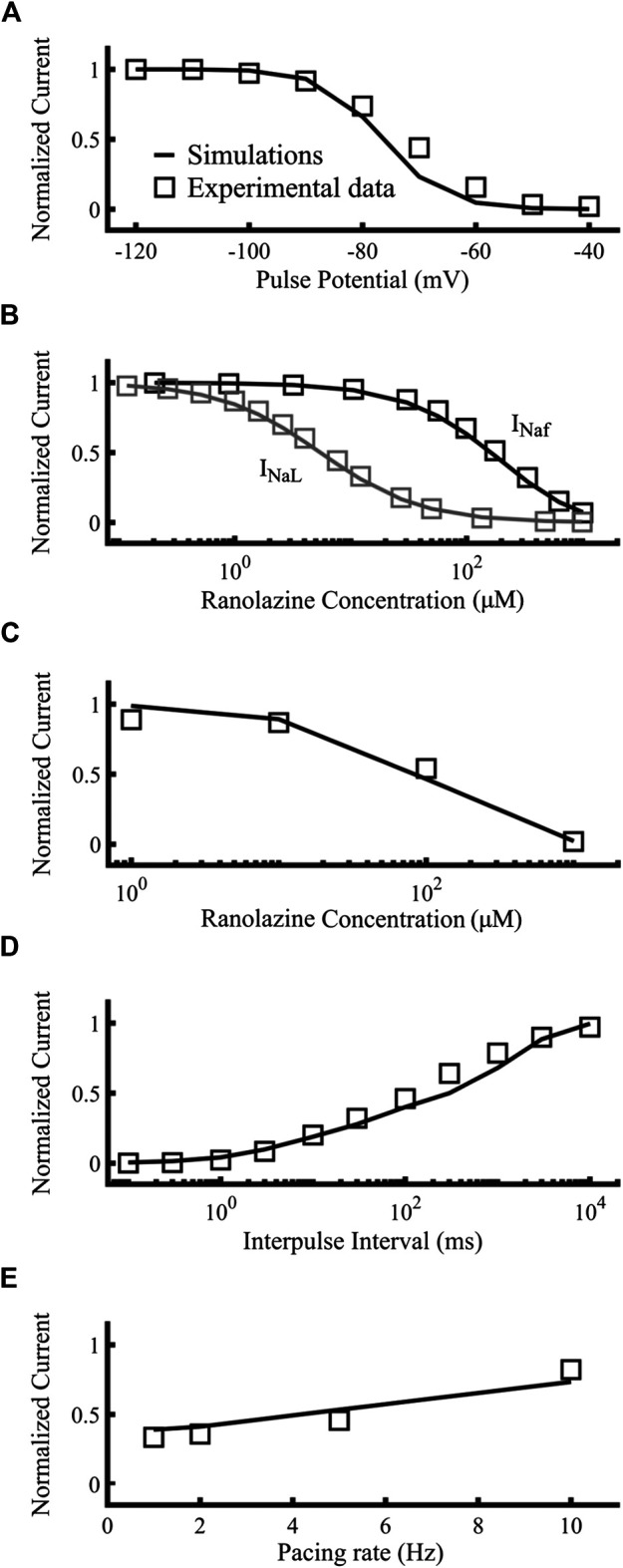
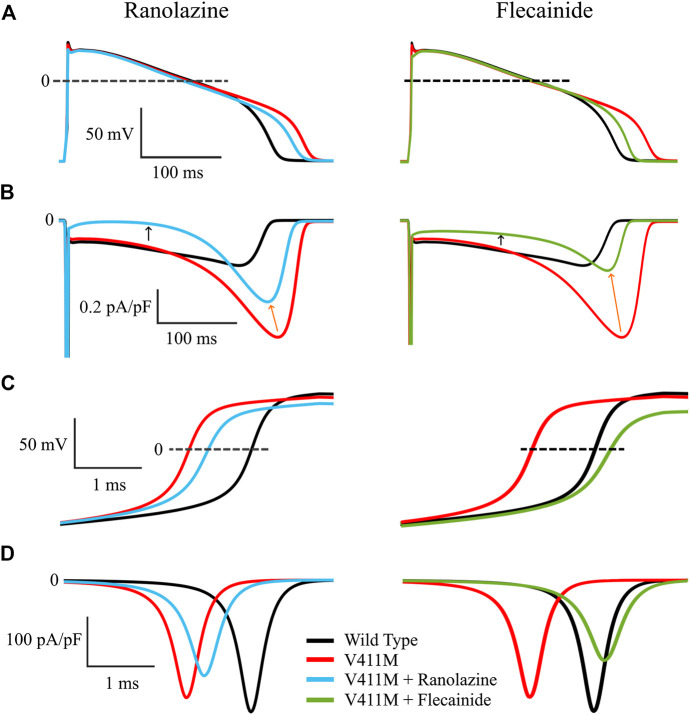
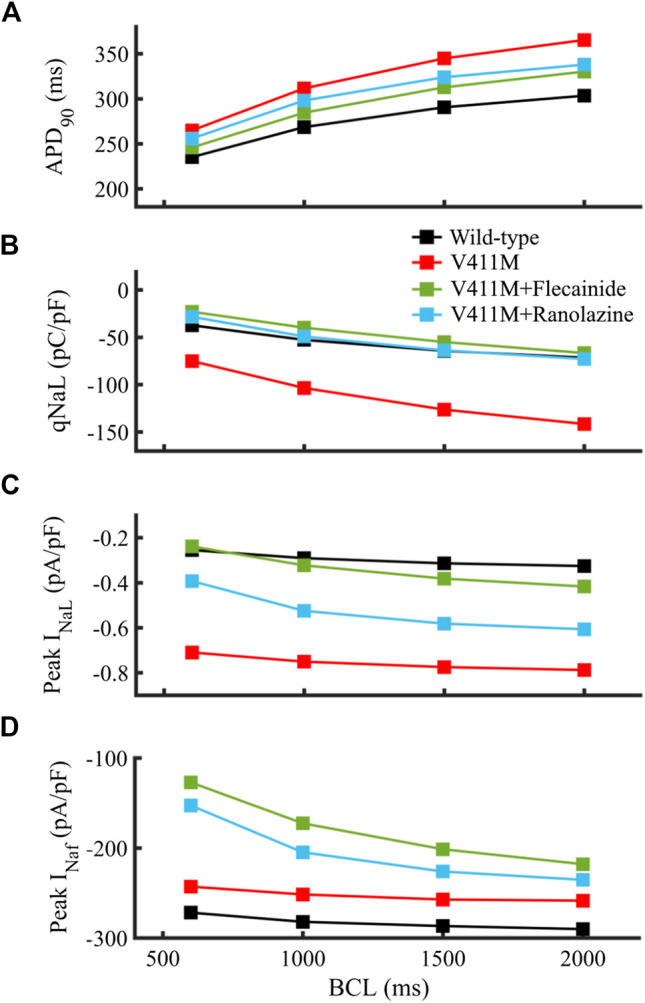
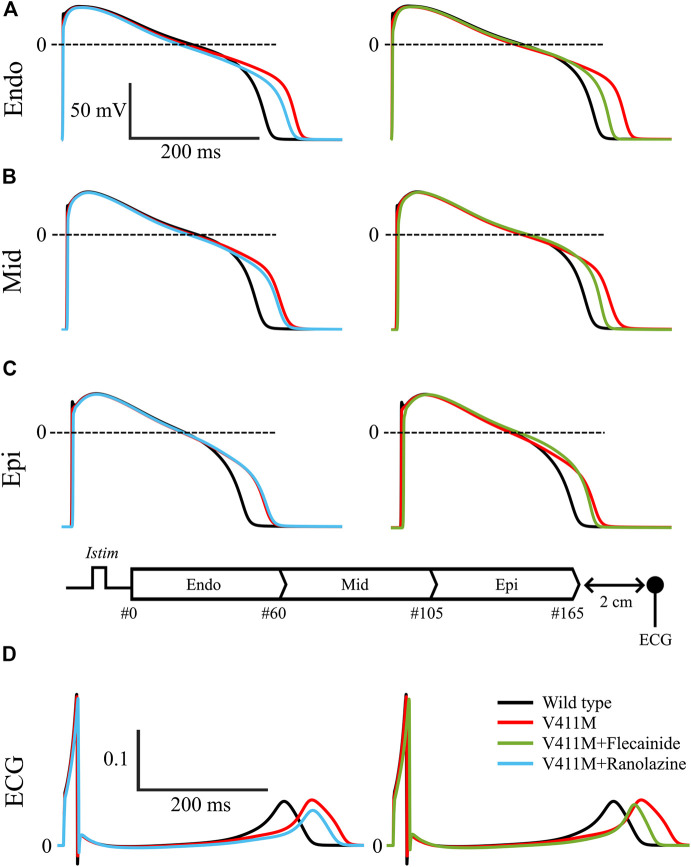
The prolongation of the QT interval represents the main feature of the long QT syndrome (LQTS), a life-threatening genetic disease. The heterozygous SCN5A V411M mutation of the human sodium channel leads to a LQTS type 3 with severe proarrhythmic effects due to an increase in the late component of the sodium current (INaL). The two sodium blockers flecainide and ranolazine are equally recommended by the current 2015 ESC guidelines to treat patients with LQTS type 3 and persistently prolonged QT intervals. However, awareness of pro-arrhythmic effects of flecainide in LQTS type 3 patients arose upon the study of the SCN5A E1784K mutation. Regarding SCN5A V411M individuals, flecainide showed good results albeit in a reduced number of patients and no evidence supporting the use of ranolazine has ever been released. Therefore, we ought to compare the effect of ranolazine and flecainide in a SCN5A V411M model using an in-silico modeling and simulation approach. We collected clinical data of four patients. Then, we fitted four Markovian models of the human sodium current (INa) to experimental and clinical data. Two of them correspond to the wild type and the heterozygous SCN5A V411M scenarios, and the other two mimic the effects of flecainide and ranolazine on INa. Next, we inserted them into three isolated cell action potential (AP) models for endocardial, midmyocardial and epicardial cells and in a one-dimensional tissue model. The SCN5A V411M mutation produced a 15.9% APD90 prolongation in the isolated endocardial cell model, which corresponded to a 14.3% of the QT interval prolongation in a one-dimensional strand model, in keeping with clinical observations. Although with different underlying mechanisms, flecainide and ranolazine partially countered this prolongation at the isolated endocardial model by reducing the APD90 by 8.7 and 4.3%, and the QT interval by 7.2 and 3.2%, respectively. While flecainide specifically targeted the mutation-induced increase in peak INaL, ranolazine reduced it during the entire AP. Our simulations also suggest that ranolazine could prevent early afterdepolarizations triggered by the SCN5A V411M mutation during bradycardia, as flecainide. We conclude that ranolazine could be used to treat SCN5A V411M patients, specifically when flecainide is contraindicated.
QT间期延长是长QT综合征(LQTS)的主要特征,这是一种危及生命的遗传性疾病。人类钠通道的杂合SCN5A V411M突变导致3型LQTS,由于钠电流晚期成分(INaL)增加,具有严重的促心律失常作用。目前2015年欧洲心脏病学会(ESC)指南同样推荐使用两种钠通道阻滞剂氟卡尼和雷诺嗪来治疗3型LQTS且QT间期持续延长的患者。然而,在对SCN5A E1784K突变的研究中发现了氟卡尼对3型LQTS患者的促心律失常作用。对于携带SCN5A V411M突变的个体,尽管研究的患者数量较少,但氟卡尼显示出良好的效果,且从未有证据支持使用雷诺嗪。因此,我们应该使用计算机模拟建模方法比较雷诺嗪和氟卡尼在SCN5A V411M模型中的效果。我们收集了4例患者的临床数据。然后,我们将4种人类钠电流(INa)的马尔可夫模型与实验和临床数据进行拟合。其中两种对应野生型和杂合SCN5A V411M情况,另外两种模拟氟卡尼和雷诺嗪对INa的作用。接下来,我们将它们插入到用于心内膜、心肌中层和心外膜细胞的3种孤立细胞动作电位(AP)模型以及一维组织模型中。SCN5A V411M突变在孤立的心内膜细胞模型中使动作电位时程90%(APD90)延长了15.9%,这与一维肌束模型中QT间期延长14.3%相对应,与临床观察结果一致。尽管作用机制不同,但在孤立的心内膜模型中,氟卡尼和雷诺嗪通过分别使APD90缩短8.7%和4.3%,QT间期缩短7.2%和3.2%,部分抵消了这种延长。氟卡尼特异性地针对突变引起的INaL峰值增加,而雷诺嗪在整个动作电位期间都能降低它。我们的模拟还表明,雷诺嗪可以像氟卡尼一样预防SCN5A V411M突变在心动过缓时引发的早期后去极化。我们得出结论,雷诺嗪可用于治疗携带SCN5A V411M突变的患者,特别是在氟卡尼禁忌的情况下。