UPMC Center for High-Value Health Care, Insurance Services Division, UPMC, Pittsburgh, PA, United States.
Department of Psychiatry, College of Medicine-Tucson, University of Arizona, Tuscon, AZ, United States.
JMIR Mhealth Uhealth. 2021 Feb 1;9(2):e23498. doi: 10.2196/23498.
Digital tools accessed via smartphones can promote chronic condition management, reduce disparities in health care and hospital readmissions, and improve quality of life. However, whether digital care strategies can be implemented successfully on a large scale with traditionally underserved populations remains uncertain.
As part of a randomized trial comparing care delivery strategies for Medicaid and Medicare-Medicaid beneficiaries with multiple chronic conditions, our stakeholders identified implementation challenges, and we developed stakeholder-driven adaptions to improve a digitally delivered care management strategy (high-tech care).
We used 4 mechanisms (study support log, Patient Partners Work Group log, case interview log, and implementation meeting minutes) to capture stakeholder feedback about technology-related challenges and solutions from 9 patient partners, 129 participants, and 32 care managers and used these data to develop and implement solutions. To assess the impact, we analyzed high-tech care exit surveys and intervention engagement outcomes (video visits and condition-specific text message check-ins sent at varying intervals) before and after each solution was implemented.
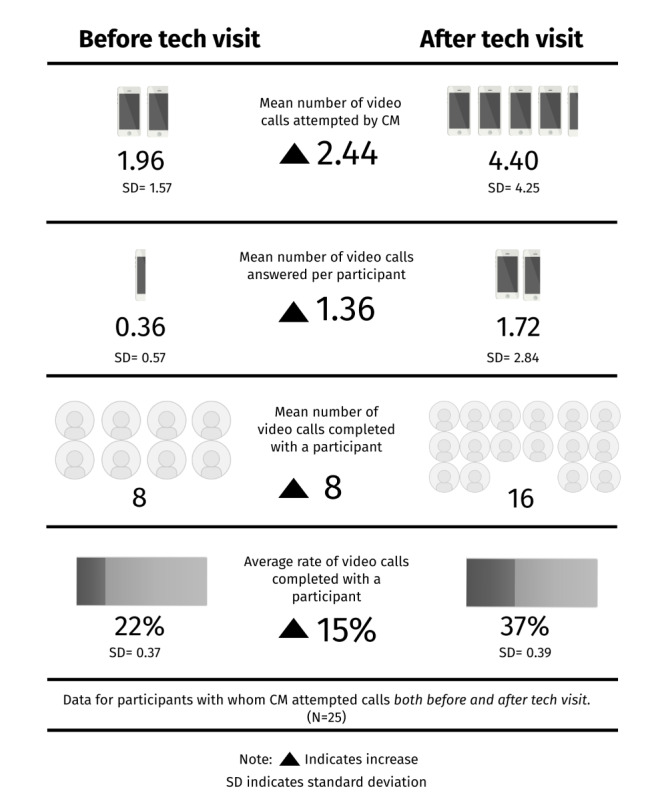
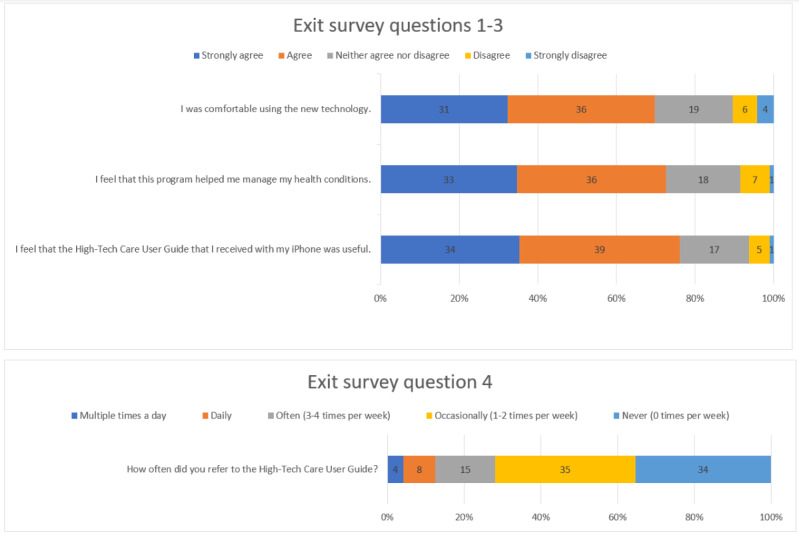
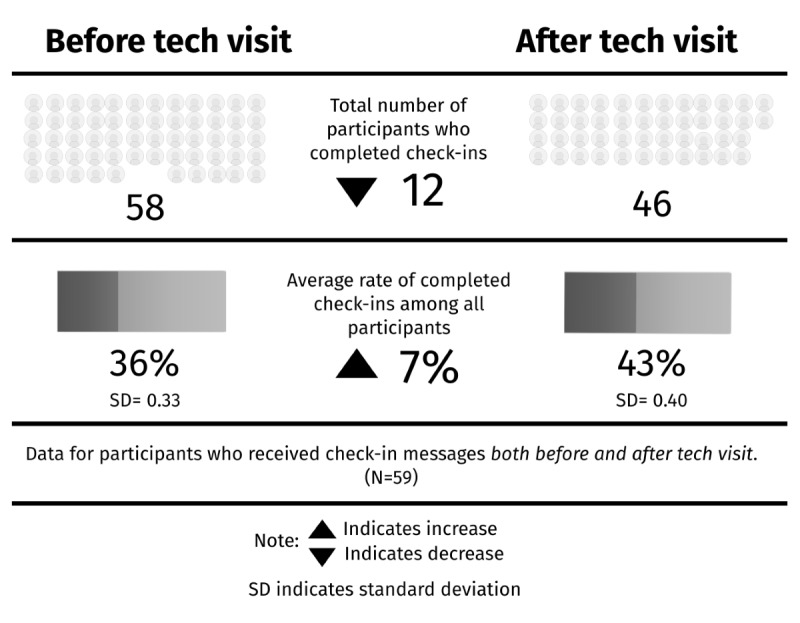
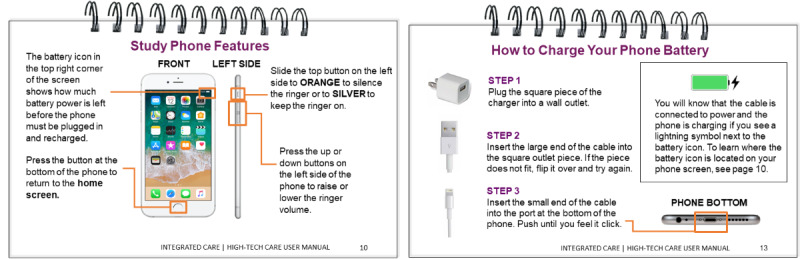
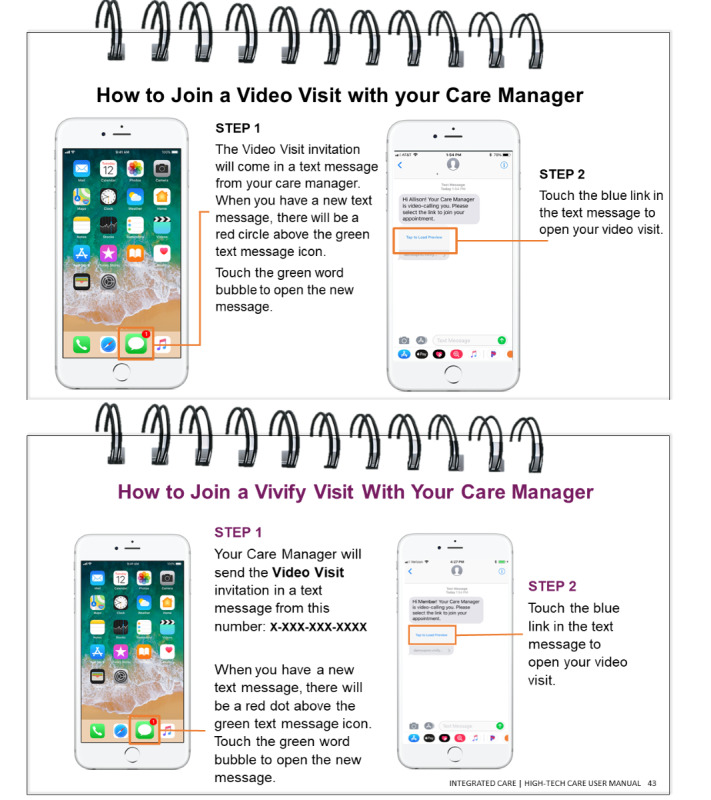
Challenges centered around 2 themes: difficulty using both smartphones and high-tech care components and difficulty using high-tech care components due to connectivity issues. To respond to the first theme's challenges, we devised 3 solutions: tech visits (eg, in-person technology support visits), tech packet (eg, participant-facing technology user guide), and tailored condition-specific text message check-ins. During the first 20 months of implementation, 73 participants received at least one tech visit. We observed a 15% increase in video call completion for participants with data before and after the tech visit (n=25) and a 7% increase in check-in completion for participants with data before and after the tech visit (n=59). Of the 379 participants given a tech packet, 179 completed care during this timeframe and were eligible for an exit survey. Of the survey respondents, 76% (73/96) found the tech packet helpful and 64% (62/96) actively used it during care. To support condition-specific text message check-in completion, we allowed for adaption of day and/or time of the text message with 31 participants changing the time they received check-ins and change in standard biometric settings with 13 physicians requesting personalized settings for participants. To respond to the second theme's challenges, tech visits or phone calls were made to demonstrate how to use a smartphone to connect or disconnect from the internet, to schedule video calls, or for condition-specific text message check-ins in a location with broadband/internet.
Having structured stakeholder feedback mechanisms is key to identify challenges and solutions to digital care engagement. Creating flexible and scalable solutions to technology-related challenges will increase equity in accessing digital care and support more effective engagement of chronically ill populations in the use of these digital care tools.
ClinicalTrials.gov NCT03451630; https://clinicaltrials.gov/ct2/show/NCT03451630.
通过智能手机访问的数字工具可以促进慢性病管理,减少医疗保健和医院再入院方面的差异,并提高生活质量。然而,数字护理策略是否可以成功地大规模应用于传统服务不足的人群仍不确定。
作为一项比较针对有多种慢性病的医疗补助和联邦医疗补助-医疗补助受助人的护理提供策略的随机试验的一部分,我们的利益相关者确定了实施挑战,并且我们制定了利益相关者驱动的适应性改进,以提高数字交付的护理管理策略(高科技护理)。
我们使用 4 种机制(研究支持日志、患者伙伴工作组日志、案例访谈日志和实施会议纪要)从 9 名患者伙伴、129 名参与者和 32 名护理经理那里收集有关技术相关挑战和解决方案的利益相关者反馈,并使用这些数据来开发和实施解决方案。为了评估影响,我们在实施每个解决方案前后分析了高科技护理退出调查和干预参与结果(不同时间间隔发送的视频访问和特定于条件的短信签到)。
挑战集中在 2 个主题上:使用智能手机和高科技护理组件的困难以及由于连接问题使用高科技护理组件的困难。为了应对第一个主题的挑战,我们设计了 3 种解决方案:技术访问(例如,现场技术支持访问)、技术包(例如,面向参与者的技术用户指南)和定制特定于条件的短信签到。在实施的前 20 个月中,有 73 名参与者至少接受了一次技术访问。我们观察到,接受技术访问的参与者(n=25)的视频通话完成率增加了 15%,接受技术访问的参与者(n=59)的签到完成率增加了 7%。在接受技术包的 379 名参与者中,有 179 名在这段时间内完成了护理,并符合退出调查的条件。在接受调查的受访者中,76%(73/96)认为技术包很有帮助,64%(62/96)在护理期间积极使用它。为了支持特定于条件的短信签到完成,我们允许调整短信的时间(通过 31 名参与者改变他们接收签到的时间)和生物识别标准(通过 13 名医生为参与者请求个性化设置),以适应特定于条件的短信签到完成。为了应对第二个主题的挑战,进行了技术访问或电话访问,以演示如何使用智能手机连接或断开互联网、安排视频通话或在有宽带/互联网的位置进行特定于条件的短信签到。
有结构化的利益相关者反馈机制是确定数字护理参与挑战和解决方案的关键。创建与技术相关的挑战的灵活且可扩展的解决方案将提高获得数字护理的公平性,并支持慢性病患者更有效地使用这些数字护理工具。
ClinicalTrials.gov NCT03451630;https://clinicaltrials.gov/ct2/show/NCT03451630。