Sun Chung-Kai, Ke Cherng-Jyh, Lin Yi-Wen, Lin Feng-Huei, Tsai Tung-Hu, Sun Jui-Sheng
Institute of Traditional Medicine, School of Medicine, National Yang Ming Chiao Tung University, No. 155, Sec. 2, Linong Street, Taipei 11221, Taiwan.
Biomaterials Translational Research Center, China Medical University Hospital, No. 2, Yude Rd., Taichung City 40447, Taiwan.
Polymers (Basel). 2021 Jan 28;13(3):414. doi: 10.3390/polym13030414.
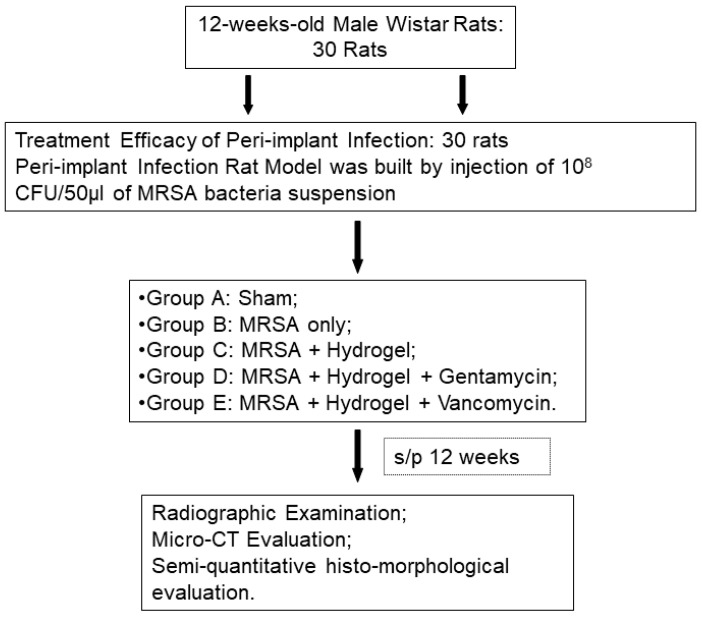
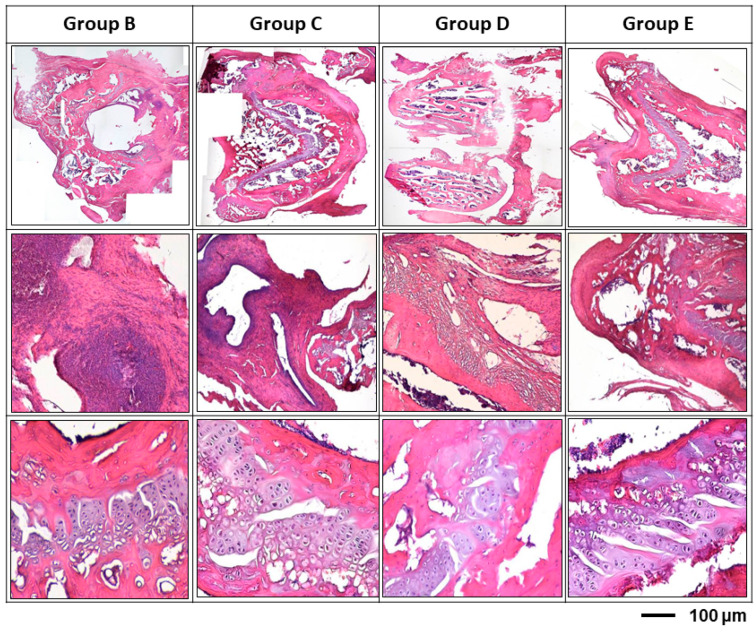
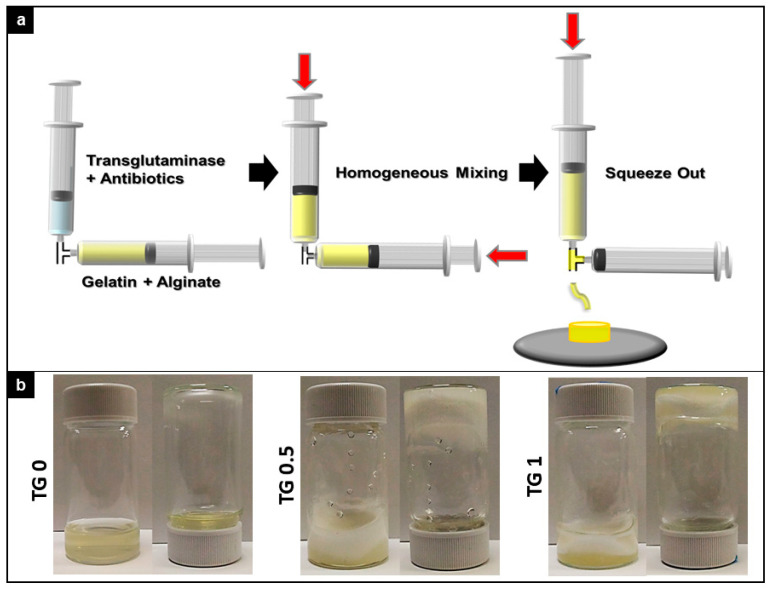
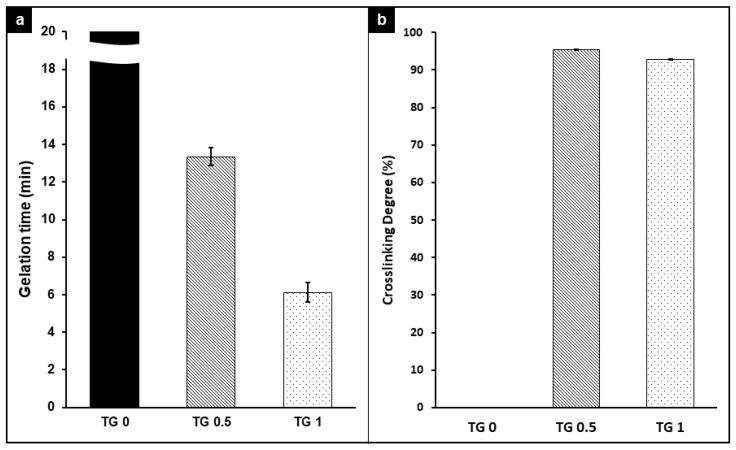
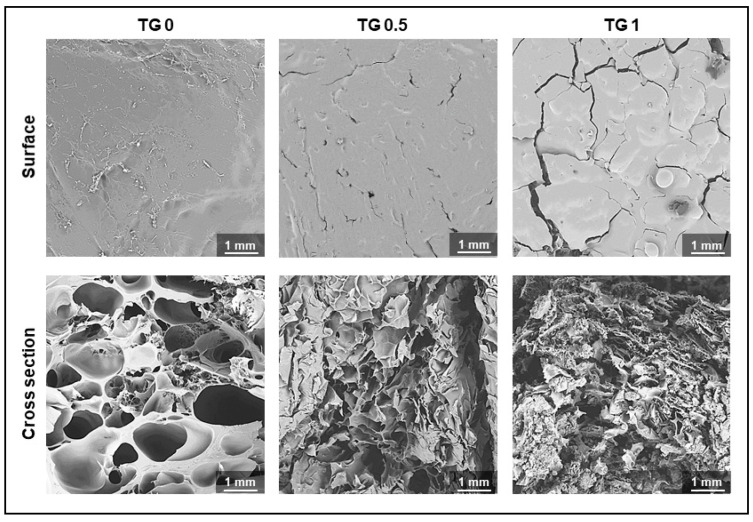
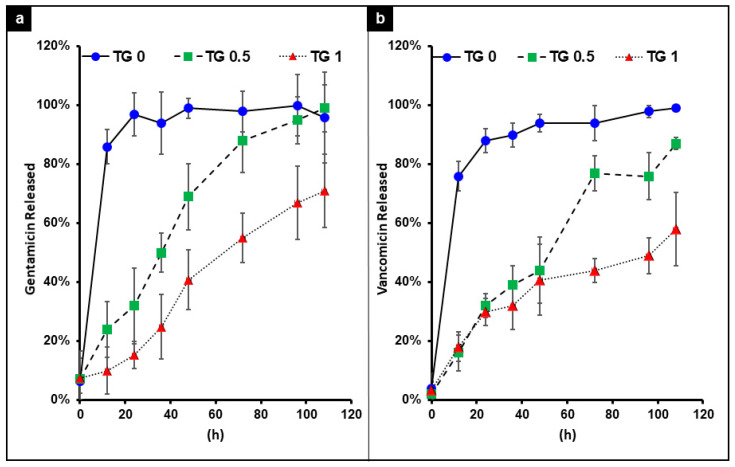
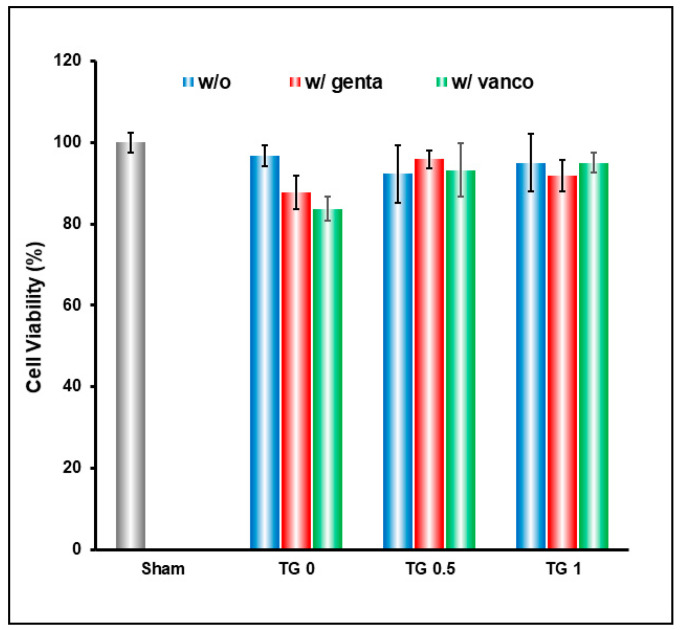
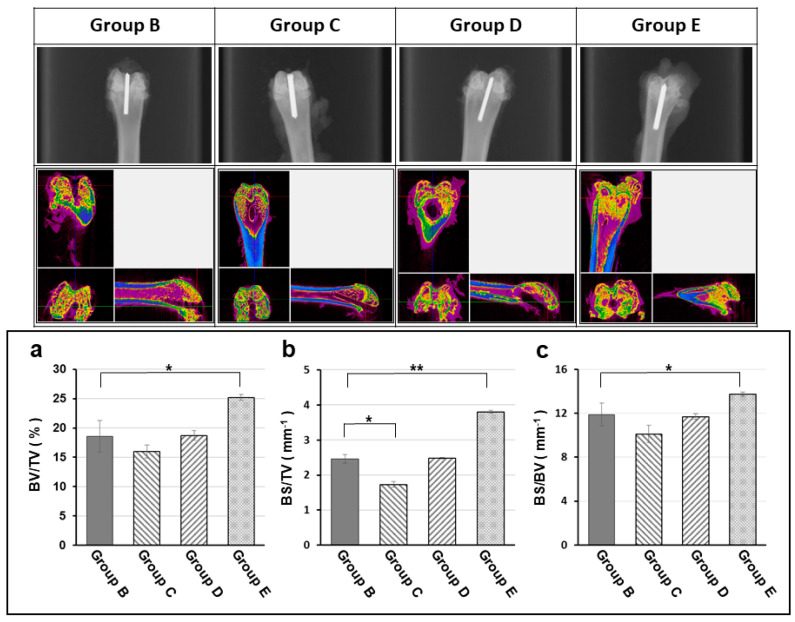
Implant-related infection may be catastrophic and result in poor functional outcome, chronic osteomyelitis, implant failure or even sepsis and death. Based on a transglutaminase (TGase) cross-linked/antibiotics-encapsulated gelatin-alginate hydrogel, the main aim of this study is to establish an effective antibiotic slow-release system. The second aim is to evaluate the efficacy of a hydrogel-encapsulated antibiotic-containing titanium pin in preventing implant-related infections in a rat model. The prepared gelatin/alginate/gentamicin or vancomycin hydrogel was covalently cross-linked with transglutaminase (TGase). Its drug release profile and cytotoxicity were determined and the Wistar rat animal model was performed to validate its efficacy by radiographic examination, Micro-CT (computed tomography) evaluation and histo-morphological analysis at 12 weeks after surgery. When gelatin and alginate were thoroughly mixed with TGase, both 0.5% and 1.0% TGase can effectively cross link the hydrogel; the release of antibiotic is slowed down with higher degree of TGase concentration (from 20 min to more than 120 h). In the animal study, antibiotic-impregnated hydrogel is effective in alleviating the implant-related infections. Relative to that of a positive control group, the experimental group (vancomycin treatment group) showed significant higher bone volume, more intact bony structure with only mild inflammatory cell infiltration. This newly designed hydrogel can effectively deliver antibiotics to reduce bacterial colonization and biofilm formation on the implant surface. The remaining challenges will be to confer different potent antibacterial medications with good biocompatibility and fulfill the safety, practical and economic criteria for future clinical translation.
植入物相关感染可能是灾难性的,会导致功能预后不良、慢性骨髓炎、植入物失败,甚至败血症和死亡。基于转谷氨酰胺酶(TGase)交联/抗生素包封的明胶-藻酸盐水凝胶,本研究的主要目的是建立一种有效的抗生素缓释系统。第二个目的是评估水凝胶包封含抗生素钛钉在大鼠模型中预防植入物相关感染的效果。制备的明胶/藻酸盐/庆大霉素或万古霉素水凝胶与转谷氨酰胺酶(TGase)共价交联。测定其药物释放曲线和细胞毒性,并通过术后12周的影像学检查、显微CT(计算机断层扫描)评估和组织形态学分析,利用Wistar大鼠动物模型验证其效果。当明胶和藻酸盐与TGase充分混合时,0.5%和1.0%的TGase均可有效交联水凝胶;随着TGase浓度的提高(从20分钟到超过120小时),抗生素的释放速度减慢。在动物研究中,抗生素浸渍水凝胶可有效减轻植入物相关感染。相对于阳性对照组,实验组(万古霉素治疗组)的骨体积显著更高,骨结构更完整,仅有轻度炎性细胞浸润。这种新设计的水凝胶可以有效地递送抗生素,以减少植入物表面的细菌定植和生物膜形成。剩下的挑战将是赋予不同的强效抗菌药物良好的生物相容性,并满足未来临床转化的安全性、实用性和经济性标准。