Ophthalmic Epidemiology Research Center, Shahroud University of Medical Sciences, Shahroud, Iran.
Randomized Controlled Trial Research Center, Shahroud University of Medical Sciences, Shahroud, Iran.
BMC Cardiovasc Disord. 2021 Feb 2;21(1):62. doi: 10.1186/s12872-021-01876-z.
Previous studies have reported a high prevalence of hypertension in Iranian students, especially in rural areas. The aim of this study was to investigate the daily intake of salt in students and its association with high blood pressure.
A random sub-sample was selected from the participants of the second phase of Shahroud schoolchildren eye cohort study and then a random urine sample was tested for sodium, potassium and creatinine. Urine electrolyte esexcretion and daily salt intake were calculated by Tanaka et al.'s formula.
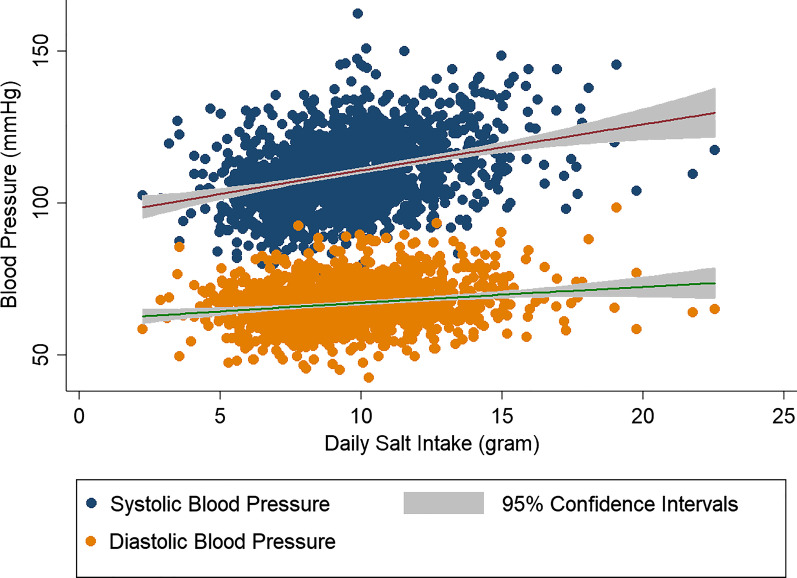
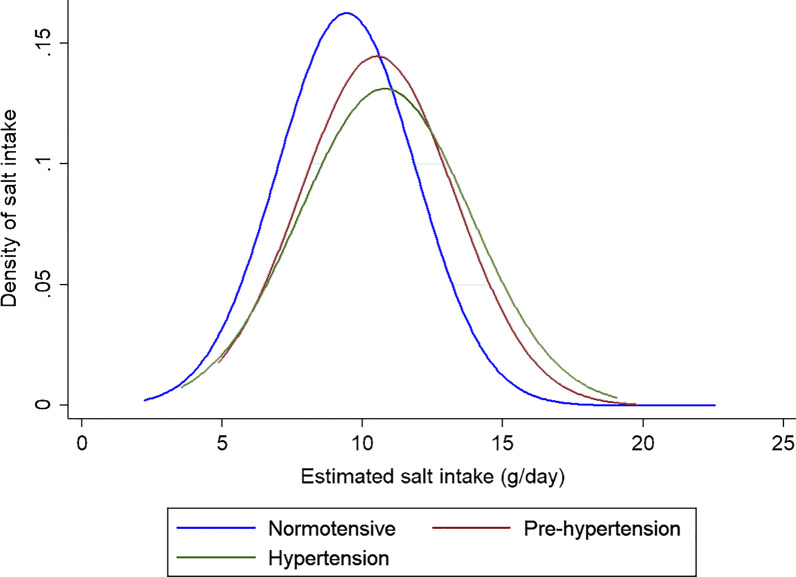
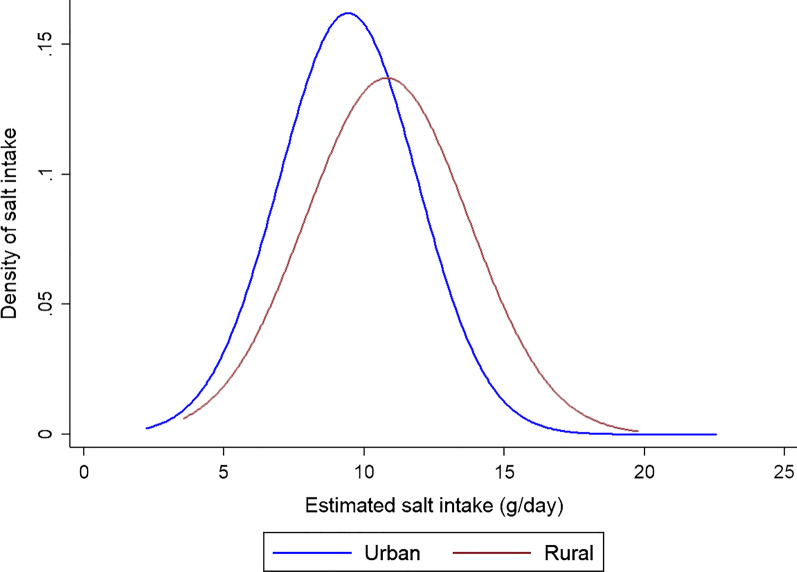
Among 1455 participants (including 230 participants from rural area and 472 girls), the mean age was 12.9 ± 1.7 year and the mean daily salt intake was 9.7 ± 2.6 g (95% CI 9.5-9.8). The mean salt consumption in rural areas [10.8 (95% CI 10.4-11.2)] was higher than urban areas [9.4 (95% CI 9.3-9.6)], in people with hypertension [10.8 (95% CI 10.3-11.3)] was more than people with normal blood pressure [9.4 (95% CI 9.3-9.6)], and in boys [9.8 (95% CI 9.7-10.0)] was more than girls [9.3 (95% CI 9.1-9.6)]. Higher age, BMI z-score, male sex and rural life, were associated with increased daily salt intake. Increased salt intake was associated with increased systolic and diastolic blood pressure.
Daily salt intake in Iranian adolescents was about 2 times the recommended amount of the World Health Organization, was higher in rural areas and was associated with blood pressure. Reducing salt intake should be considered as an important intervention, especially in rural areas.
先前的研究报告称,伊朗学生,尤其是农村地区的学生中高血压患病率较高。本研究旨在调查学生的日常盐摄入量及其与高血压的关系。
从 Shahroud 学童眼队列研究第二阶段的参与者中随机抽取一个随机子样本,然后对随机尿液样本进行钠、钾和肌酐检测。根据 Tanaka 等人的公式计算尿电解质排泄量和每日盐摄入量。
在 1455 名参与者(包括 230 名农村地区参与者和 472 名女孩)中,平均年龄为 12.9±1.7 岁,平均每日盐摄入量为 9.7±2.6g(95%CI 9.5-9.8)。农村地区的盐摄入量平均值[10.8(95%CI 10.4-11.2)]高于城市地区[9.4(95%CI 9.3-9.6)],高血压患者[10.8(95%CI 10.3-11.3)]高于血压正常者[9.4(95%CI 9.3-9.6)],男孩[9.8(95%CI 9.7-10.0)]高于女孩[9.3(95%CI 9.1-9.6)]。较高的年龄、BMI z 分数、男性和农村生活与每日盐摄入量的增加有关。盐摄入量的增加与收缩压和舒张压的升高有关。
伊朗青少年的日均盐摄入量约为世界卫生组织推荐量的两倍,农村地区的摄入量较高,与血压有关。减少盐摄入量应被视为一项重要的干预措施,尤其是在农村地区。