Lenherr Nina, Christodoulou John, Duley John, Dobritzsch Doreen, Fairbanks Lynette, Datta Alexandre N, Filges Isabel, Gürtler Nicolas, Roelofsen Jeroen, van Kuilenburg André B P, Kemper Claudia, West Erin E, Szinnai Gabor, Huemer Martina
Department of Paediatrics, University Children's Hospital Basel and University of Basel, Basel, Switzerland.
Department of Paediatrics, The University of Melbourne, Murdoch Children's Research Institute, Parkville, VIC, Australia.
Mol Genet Metab Rep. 2021 Jan 20;26:100709. doi: 10.1016/j.ymgmr.2021.100709. eCollection 2021 Mar.
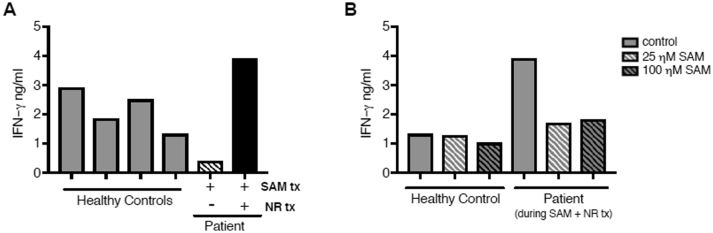
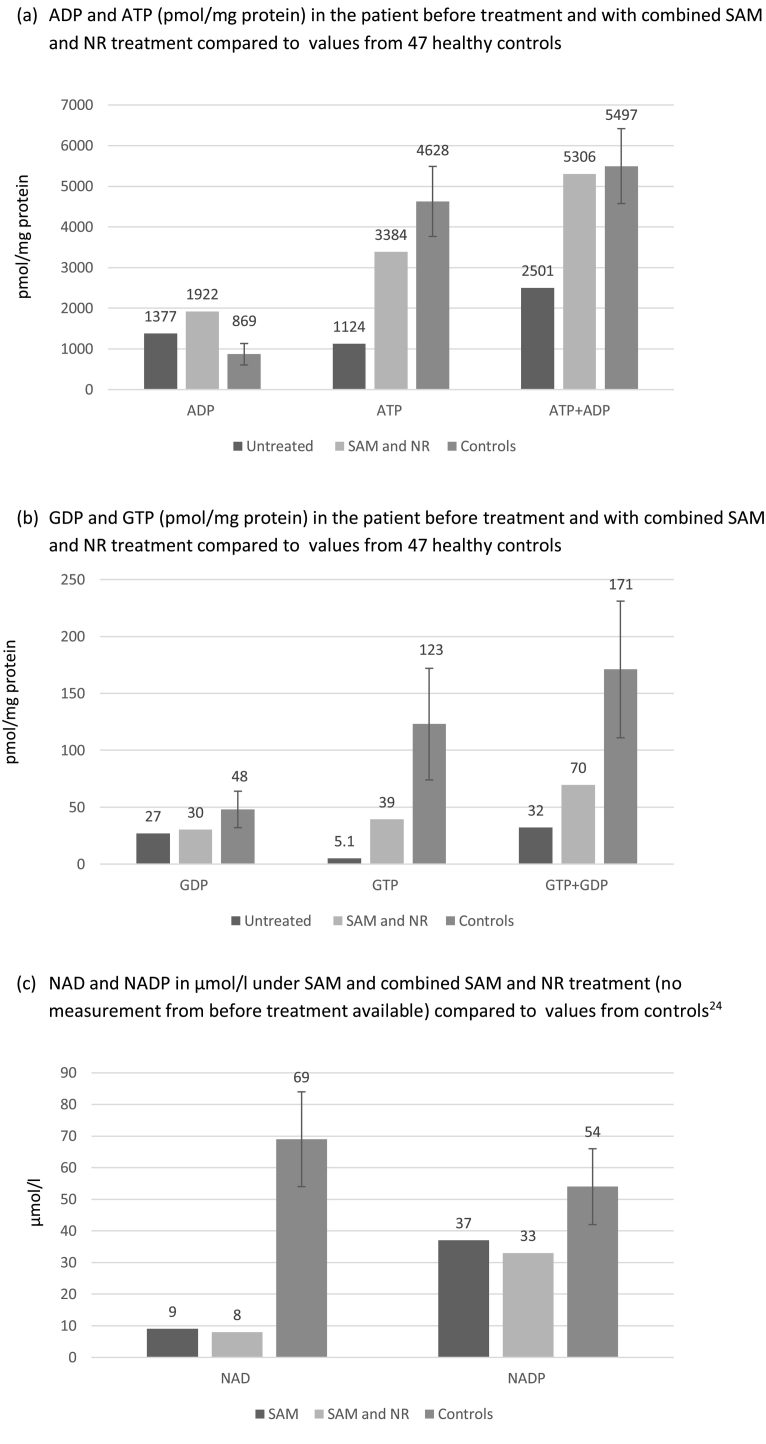
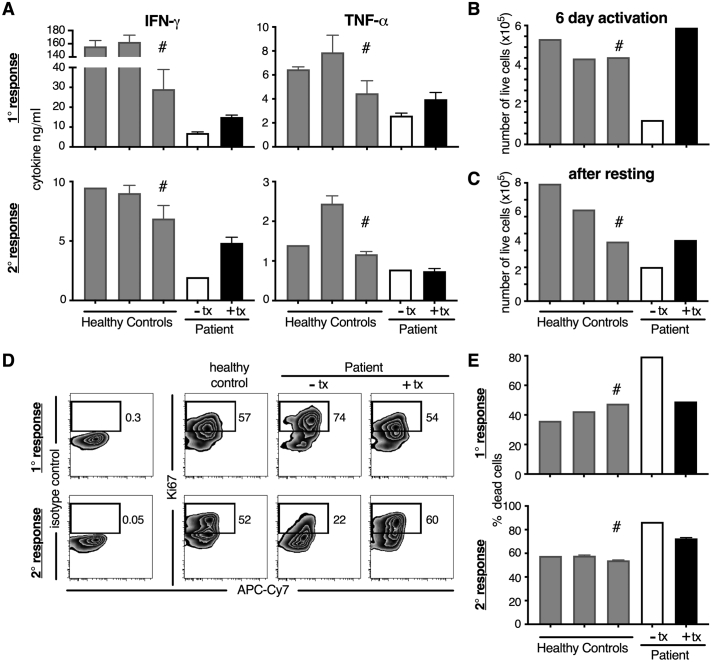
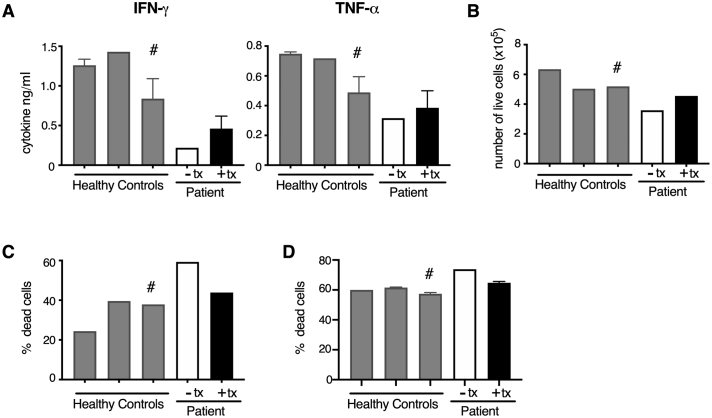
Arts syndrome or phosphoribosyl-pyrophosphate-synthetase-1 (PRPS1) deficiency is caused by loss-of-function mutations in the gene (Xq22.3). PRPS1 is an initial and essential step for the synthesis of the nucleotides of purines, pyrimidines, and nicotinamide. Classically, affected males present with sensorineural hearing loss, optic atrophy, muscular hypotonia, developmental impairment, and recurrent severe respiratory infections early in life. Treatment of a 3-year old boy with S-adenosylmethionine (SAM) replenished erythrocyte purine nucleotides of adenosine and guanosine, while SAM and nicotinamide riboside co-therapy further improved his clinical phenotype as well as T-cell survival and function.
阿茨综合征或磷酸核糖焦磷酸合成酶-1(PRPS1)缺乏症是由该基因(Xq22.3)的功能丧失突变引起的。PRPS1是嘌呤、嘧啶和烟酰胺核苷酸合成的起始且关键步骤。典型情况下,受影响的男性在生命早期会出现感音神经性听力损失、视神经萎缩、肌张力减退、发育障碍和反复严重呼吸道感染。用S-腺苷甲硫氨酸(SAM)治疗一名3岁男孩,补充了红细胞中腺苷和鸟苷的嘌呤核苷酸,而SAM与烟酰胺核糖联合治疗进一步改善了他的临床表型以及T细胞存活和功能。