Liu Wen-Zhao, Ma Zhan-Jun, Li Jie-Ru, Kang Xue-Wen
The Second Clinical Medical College, Lanzhou University, Lanzhou, 730030, Gansu, China.
Department of Orthopedics, Lanzhou University Second Hospital, No.82 Cuiyingmen Street, Lanzhou, 730030, Gansu, China.
Stem Cell Res Ther. 2021 Feb 3;12(1):102. doi: 10.1186/s13287-021-02153-8.
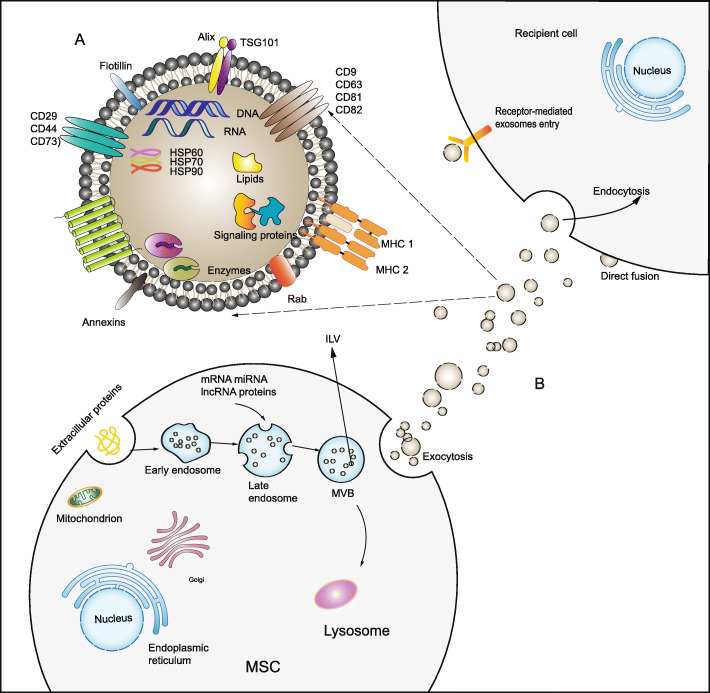
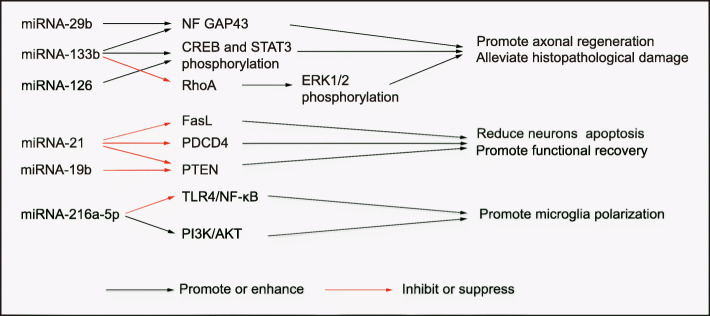
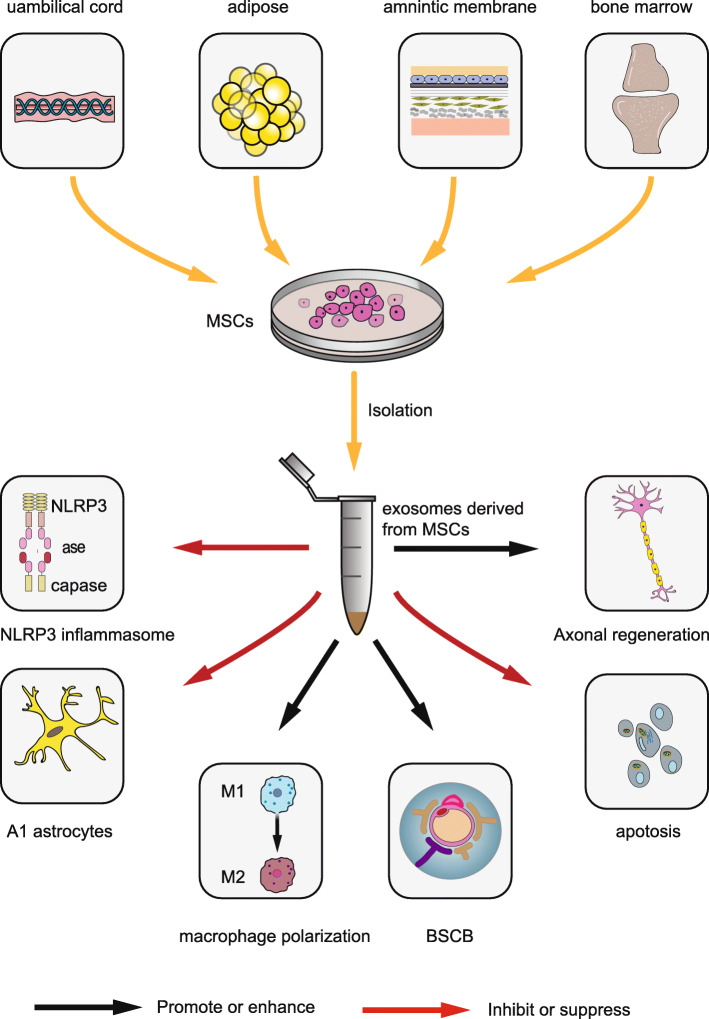
Spinal cord injury (SCI) often leads to serious motor and sensory dysfunction of the limbs below the injured segment. SCI not only results in physical and psychological harm to patients but can also cause a huge economic burden on their families and society. As there is no effective treatment method, the prevention, treatment, and rehabilitation of patients with SCI have become urgent problems to be solved. In recent years, mesenchymal stem cells (MSCs) have attracted more attention in the treatment of SCI. Although MSC therapy can reduce injured volume and promote axonal regeneration, its application is limited by tumorigenicity, a low survival rate, and immune rejection. Accumulating literature shows that exosomes have great potential in the treatment of SCI. In this review, we summarize the existing MSC-derived exosome studies on SCI and discuss the advantages and challenges of treating SCI based on exosomes derived from MSCs.
脊髓损伤(SCI)常导致损伤节段以下肢体严重的运动和感觉功能障碍。SCI不仅给患者带来身体和心理伤害,还会给其家庭和社会造成巨大经济负担。由于尚无有效的治疗方法,SCI患者的预防、治疗和康复已成为亟待解决的问题。近年来,间充质干细胞(MSCs)在SCI治疗中受到更多关注。尽管MSC疗法可减少损伤体积并促进轴突再生,但其应用受到致瘤性、低存活率和免疫排斥的限制。越来越多的文献表明,外泌体在SCI治疗中具有巨大潜力。在本综述中,我们总结了现有的关于SCI的MSC来源外泌体研究,并讨论了基于MSCs来源外泌体治疗SCI的优势和挑战。