Department of Immunobiology, Yale University School of Medicine, New Haven, CT, USA.
Celsius Therapeutics, Cambridge, MA, USA.
Nature. 2021 Apr;592(7852):128-132. doi: 10.1038/s41586-021-03188-w. Epub 2021 Feb 3.
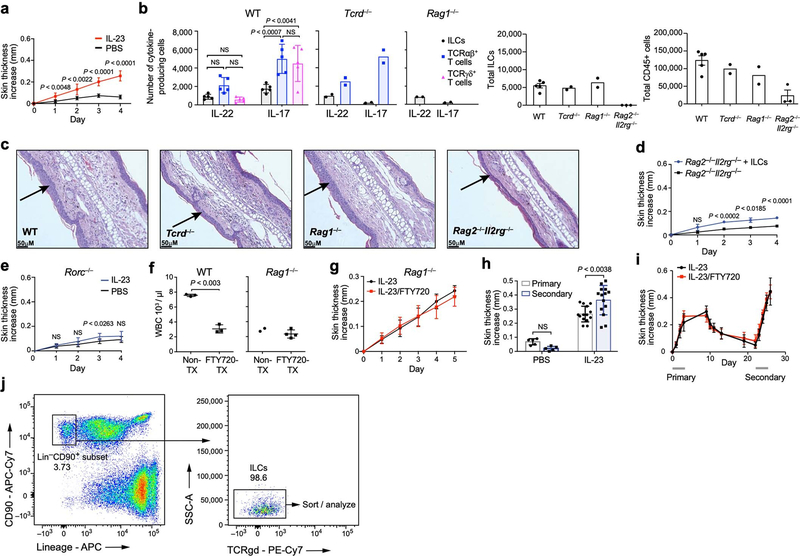
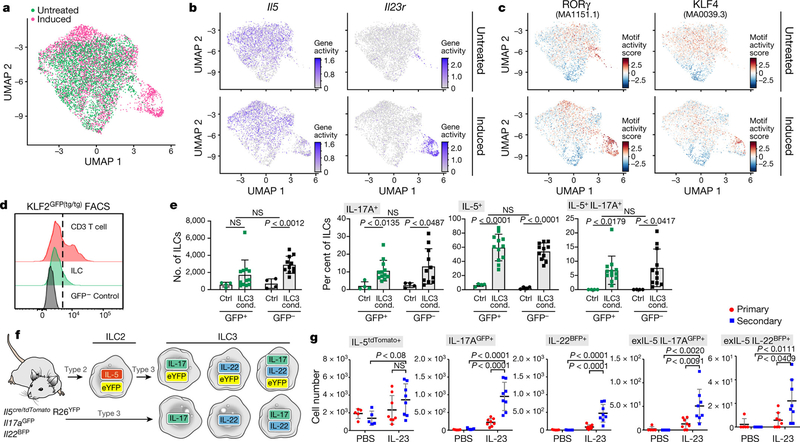
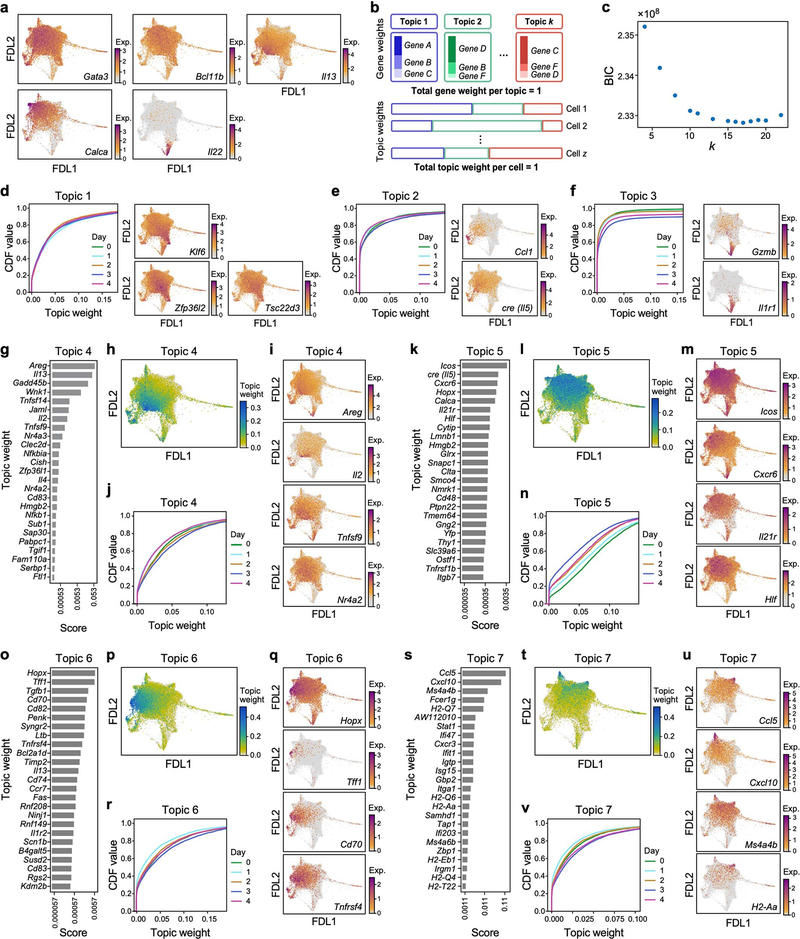
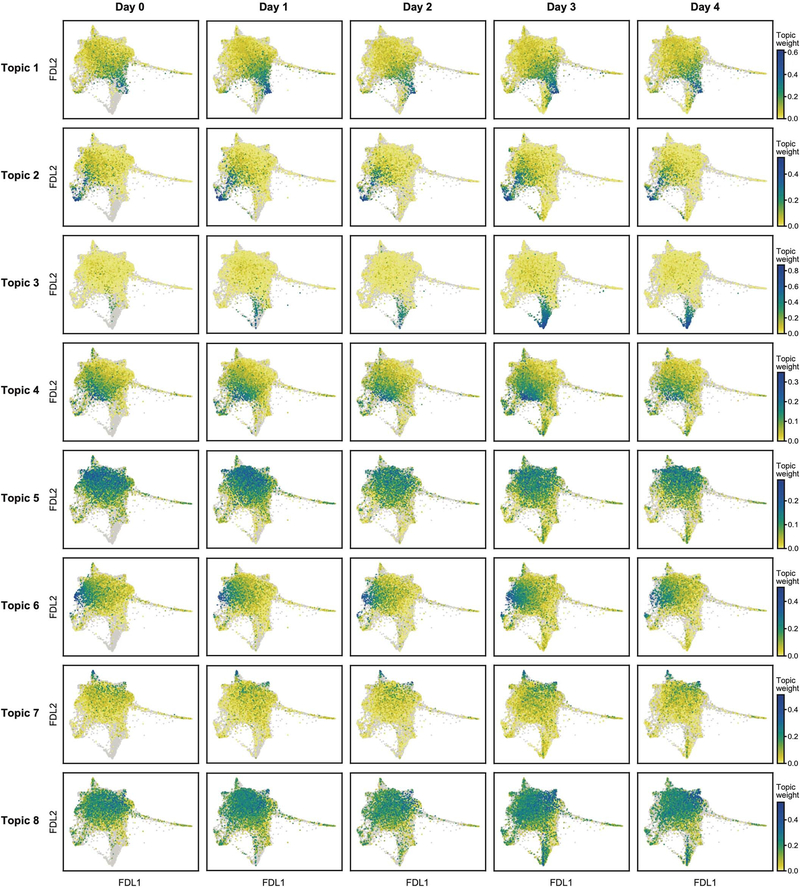
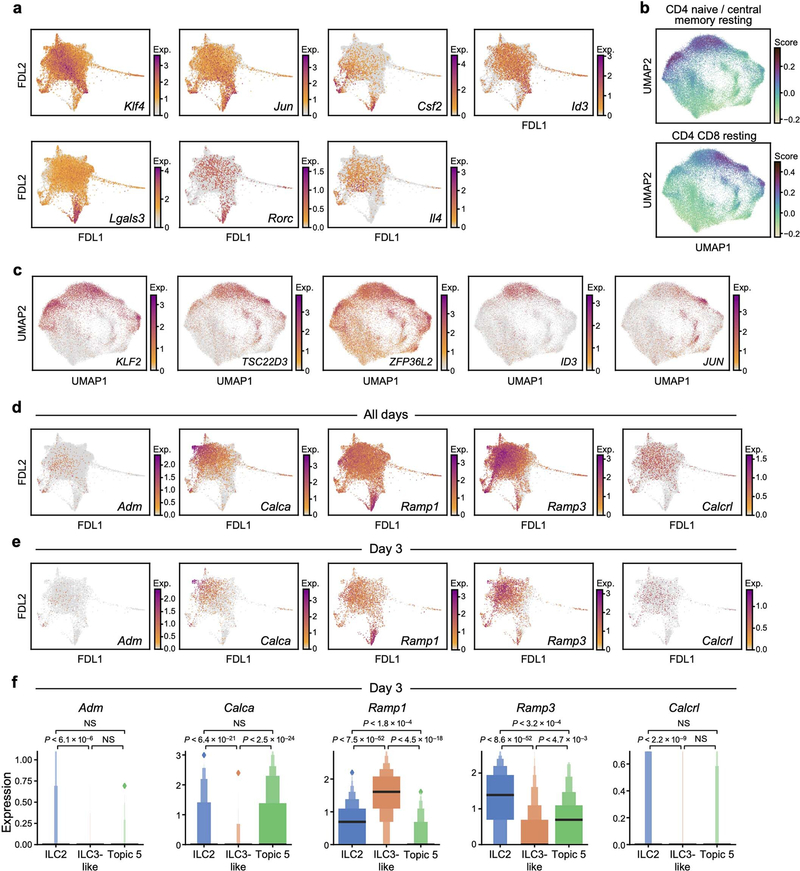
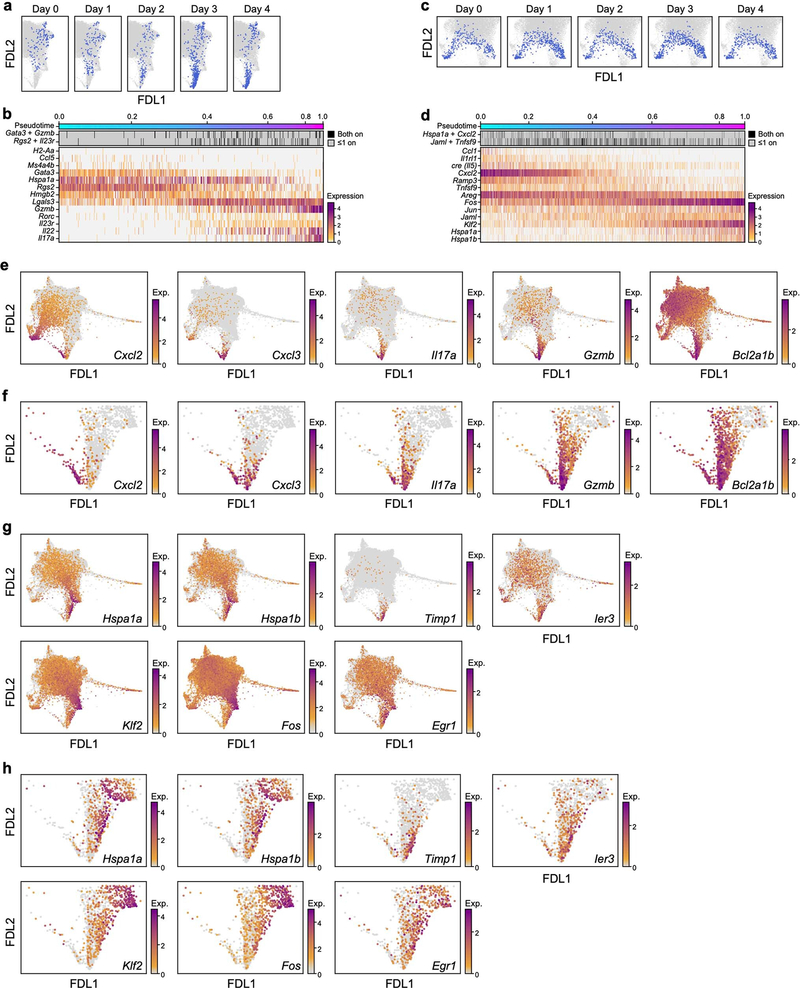
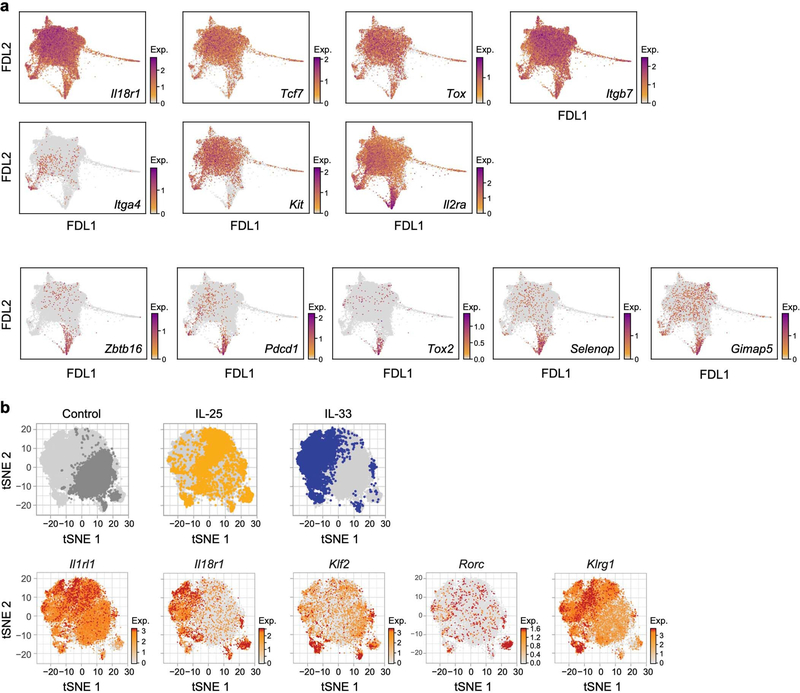
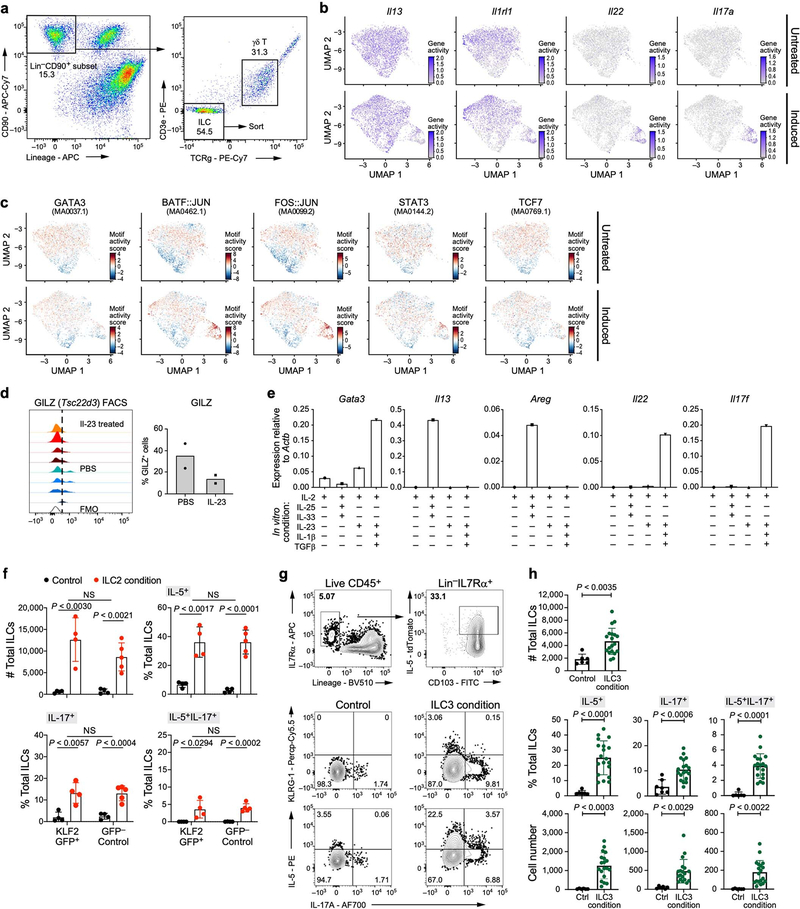
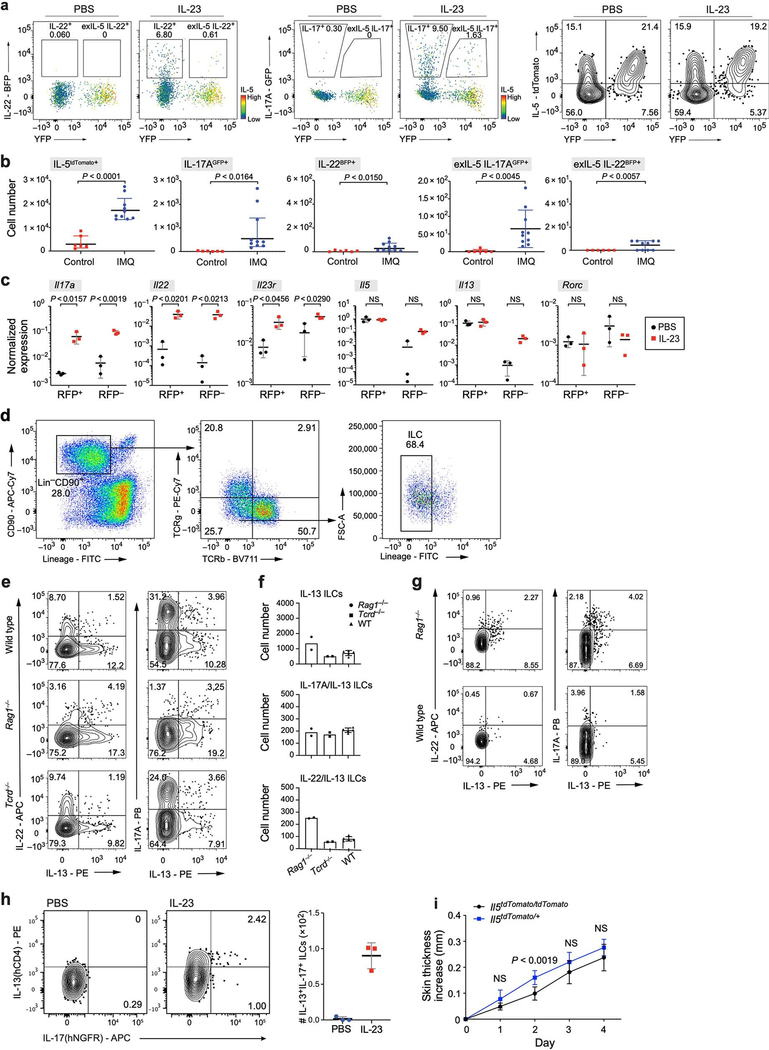
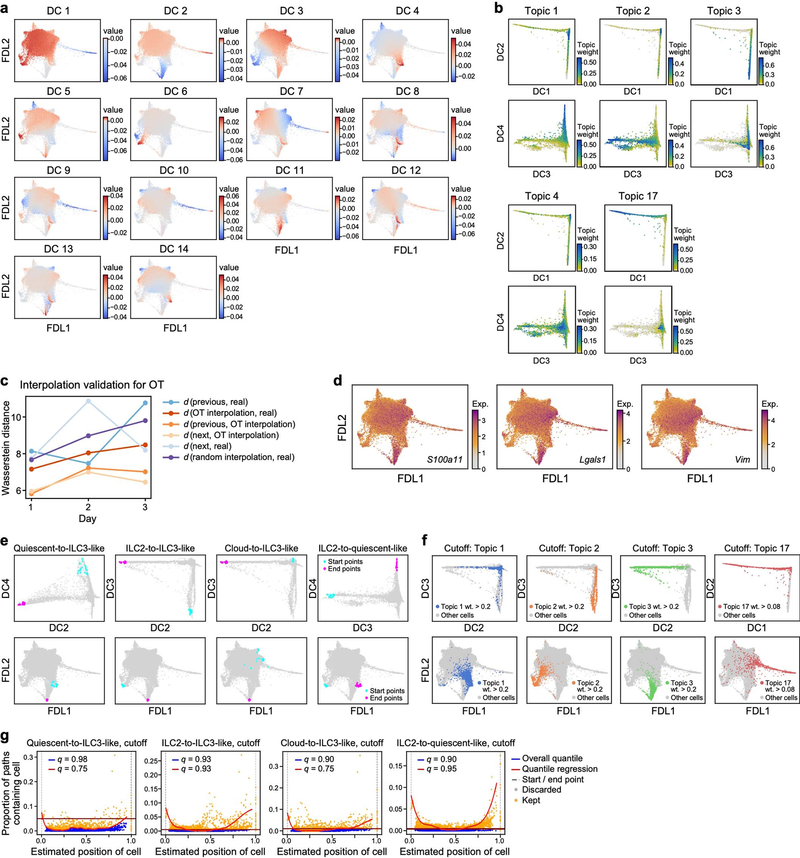
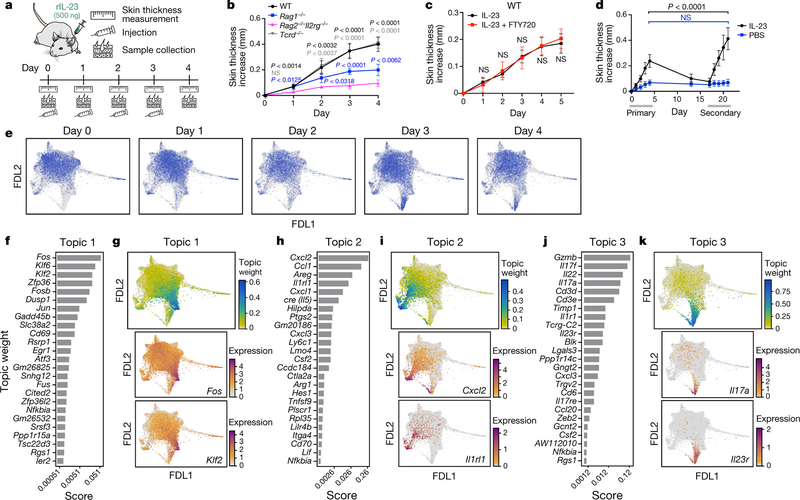
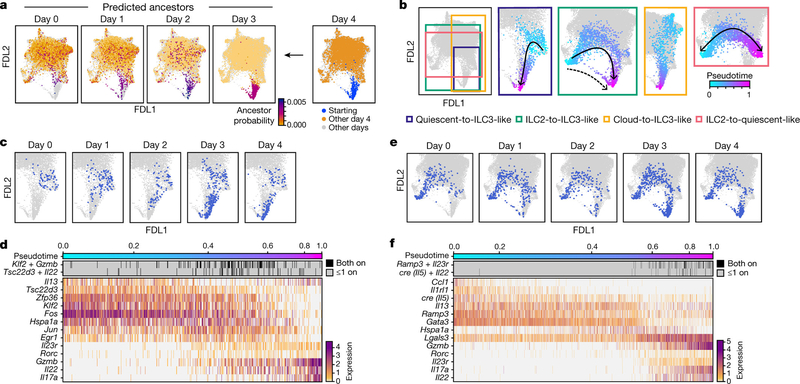
Tissue-resident innate lymphoid cells (ILCs) help sustain barrier function and respond to local signals. ILCs are traditionally classified as ILC1, ILC2 or ILC3 on the basis of their expression of specific transcription factors and cytokines. In the skin, disease-specific production of ILC3-associated cytokines interleukin (IL)-17 and IL-22 in response to IL-23 signalling contributes to dermal inflammation in psoriasis. However, it is not known whether this response is initiated by pre-committed ILCs or by cell-state transitions. Here we show that the induction of psoriasis in mice by IL-23 or imiquimod reconfigures a spectrum of skin ILCs, which converge on a pathogenic ILC3-like state. Tissue-resident ILCs were necessary and sufficient, in the absence of circulatory ILCs, to drive pathology. Single-cell RNA-sequencing (scRNA-seq) profiles of skin ILCs along a time course of psoriatic inflammation formed a dense transcriptional continuum-even at steady state-reflecting fluid ILC states, including a naive or quiescent-like state and an ILC2 effector state. Upon disease induction, the continuum shifted rapidly to span a mixed, ILC3-like subset also expressing cytokines characteristic of ILC2s, which we inferred as arising through multiple trajectories. We confirmed the transition potential of quiescent-like and ILC2 states using in vitro experiments, single-cell assay for transposase-accessible chromatin using sequencing (scATAC-seq) and in vivo fate mapping. Our results highlight the range and flexibility of skin ILC responses, suggesting that immune activities primed in healthy tissues dynamically adapt to provocations and, left unchecked, drive pathological remodelling.
组织驻留固有淋巴细胞 (ILC) 有助于维持屏障功能并对局部信号做出反应。ILC 传统上根据其特定转录因子和细胞因子的表达被分类为 ILC1、ILC2 或 ILC3。在皮肤中,对 IL-23 信号的反应中特异性产生 ILC3 相关细胞因子白细胞介素 (IL)-17 和 IL-22,有助于银屑病的皮肤炎症。然而,尚不清楚这种反应是由预先承诺的 ILC 还是由细胞状态转变引发的。在这里,我们表明,IL-23 或咪喹莫特在小鼠中诱导银屑病会重新配置一系列皮肤 ILC,这些 ILC 集中在一种致病性 ILC3 样状态上。在没有循环 ILC 的情况下,组织驻留的 ILC 是驱动病理学所必需的和充分的。皮肤 ILC 的单细胞 RNA 测序 (scRNA-seq) 图谱沿着银屑病炎症的时间过程形成了密集的转录连续体——即使在稳态下也反映了流体 ILC 状态,包括幼稚或静止样状态和 ILC2 效应状态。在疾病诱导时,连续体迅速转变为跨越混合的、ILC3 样亚群,也表达 ILC2 特征性细胞因子,我们推断这些细胞因子是通过多种轨迹产生的。我们使用体外实验、单细胞转座酶可及染色质测序 (scATAC-seq) 和体内命运图谱证实了静止样和 ILC2 状态的转变潜力。我们的研究结果突出了皮肤 ILC 反应的范围和灵活性,表明在健康组织中引发的免疫活性会动态适应刺激,如果不加控制,会导致病理性重塑。