Kwiatek Jakub, Jaroń Aleksandra, Trybek Grzegorz
Department of Oral Surgery, Pomeranian Medical University in Szczecin, Powstańców Wielkopolskich 72/18, 70-111 Szczecin, Poland.
J Clin Med. 2021 Feb 2;10(3):526. doi: 10.3390/jcm10030526.
The most important factor which is responsible for the positive course of implant treatment is the process of osseointegration between the implant structure and the host's bone tissue. The aim of this study was to assess what effect the 25-hydroxycholecalciferol concentration and vitamin D deficiency treatment have on changes in the bone level at the implant site during the process of osseointegration in the mandible.
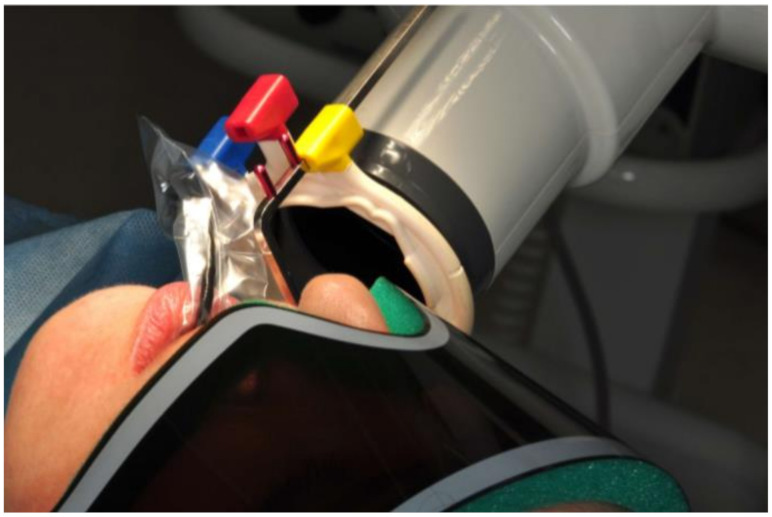
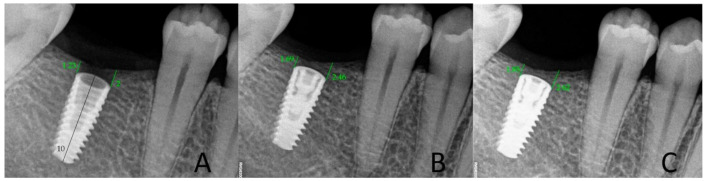
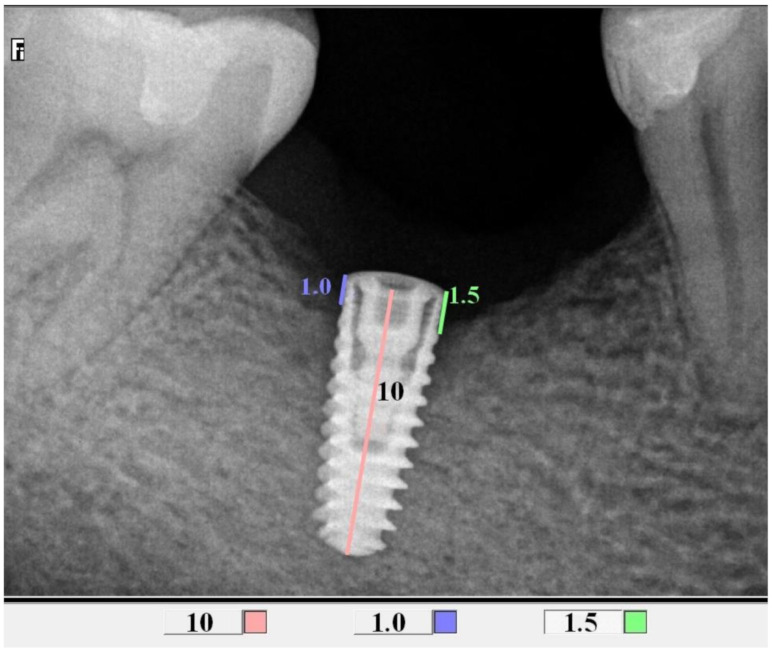
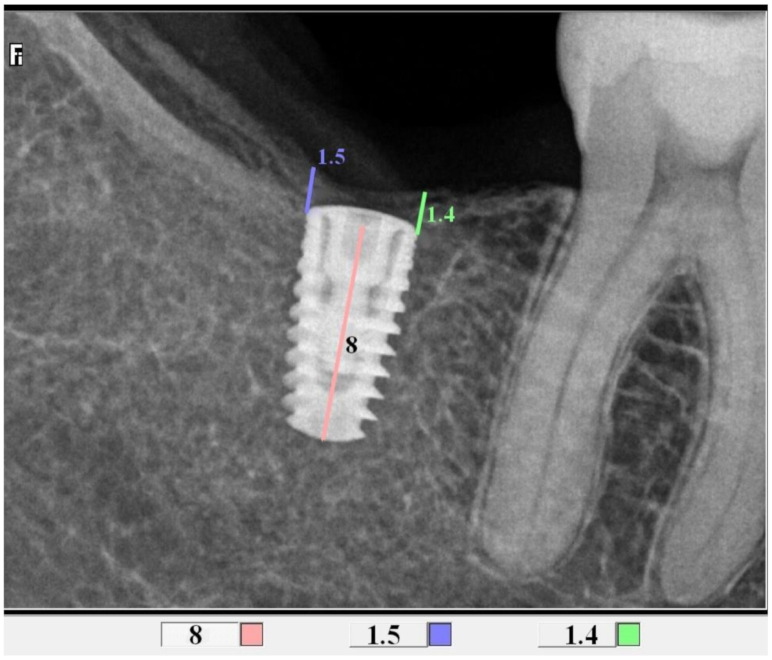
The study was with 122 people qualified for implant surgery, who were assigned to three research groups (A, B, and C). Laboratory, clinical, and radiological tests were performed on the day of surgery, and after 6 and 12 weeks. The bone level in the immediate proximity of the implant was determined by radiovisiography (RVG).
The bone level after 12 weeks in Groups B and C was significantly higher than after 6 weeks. The bone level in the study Group B was significantly higher than in Group A. The study showed that the higher the levels of 25-hydroxycholecalciferol were observed on the day of surgery, the higher was the level of bone surrounding the implant after 6 and 12 after surgery.
The correct level of 25-hydroxycholecalciferol on the day of surgery and vitamin D deficiency treatment significantly increase the bone level at the implant site in the process of radiologically assessed osseointegration.
种植治疗取得良好效果的最重要因素是种植体结构与宿主骨组织之间的骨结合过程。本研究的目的是评估25-羟基胆钙化醇浓度及维生素D缺乏症治疗在下颌骨骨结合过程中对种植部位骨水平变化的影响。
该研究纳入了122名符合种植手术条件的患者,将其分为三个研究组(A组、B组和C组)。在手术当天、术后6周和12周进行实验室、临床及影像学检查。通过口腔曲面断层摄影术(RVG)测定种植体紧邻部位的骨水平。
B组和C组术后12周时的骨水平显著高于术后6周。研究组B的骨水平显著高于A组。研究表明,手术当天观察到的25-羟基胆钙化醇水平越高,术后6周和12周时种植体周围的骨水平越高。
手术当天25-羟基胆钙化醇的正确水平及维生素D缺乏症治疗在放射学评估的骨结合过程中显著提高了种植部位的骨水平。