Faculty of Medicine, "Victor Babes" University of Medicine and Pharmacy, 300041 Timisoara, Romania.
Anaesthesia and Intensive Care Research Center, "Victor Babes" University of Medicine and Pharmacy, 300041 Timisoara, Romania.
Medicina (Kaunas). 2021 Feb 2;57(2):132. doi: 10.3390/medicina57020132.
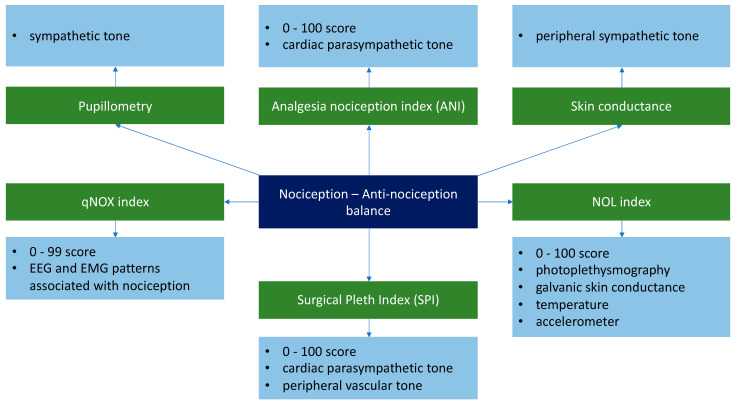
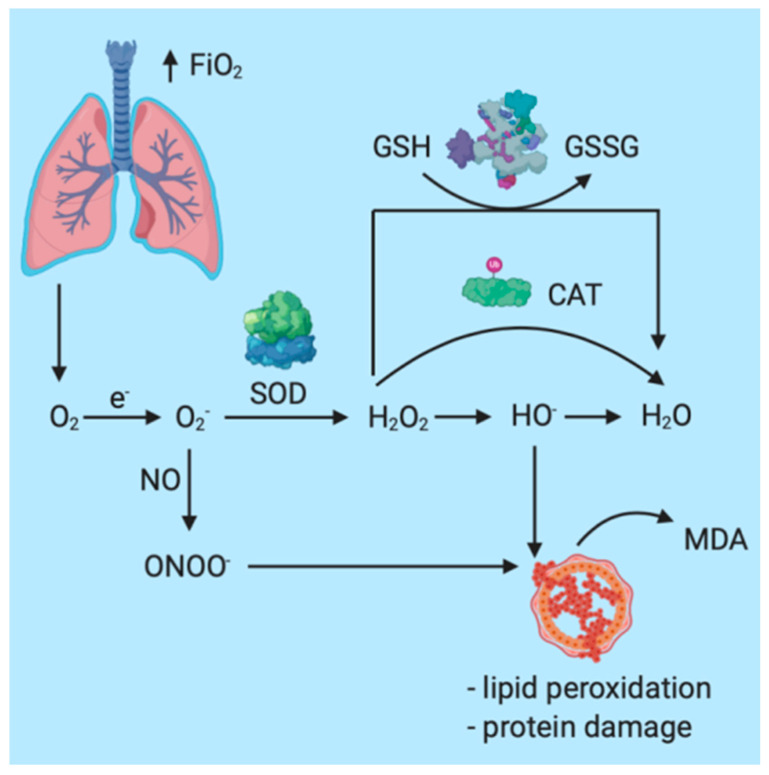
The development of general anesthesia techniques and anesthetic substances has opened new horizons for the expansion and improvement of surgical techniques. Nevertheless, more complex surgical procedures have brought a higher complexity and longer duration for general anesthesia, which has led to a series of adverse events such as hemodynamic instability, under- or overdosage of anesthetic drugs, and an increased number of post-anesthetic events. In order to adapt the anesthesia according to the particularities of each patient, the multimodal monitoring of these patients is highly recommended. Classically, general anesthesia monitoring consists of the analysis of vital functions and gas exchange. Multimodal monitoring refers to the concomitant monitoring of the degree of hypnosis and the nociceptive-antinociceptive balance. By titrating anesthetic drugs according to these parameters, clinical benefits can be obtained, such as hemodynamic stabilization, the reduction of awakening times, and the reduction of postoperative complications. Another important aspect is the impact on the status of inflammation and the redox balance. By minimizing inflammatory and oxidative impact, a faster recovery can be achieved that increases patient safety. The purpose of this literature review is to present the most modern multimodal monitoring techniques to discuss the particularities of each technique.
全身麻醉技术和麻醉药物的发展为手术技术的扩展和改进开辟了新的前景。然而,更复杂的手术程序带来了全身麻醉更高的复杂性和更长的持续时间,导致了一系列不良事件,如血流动力学不稳定、麻醉药物剂量不足或过量以及术后事件增加。为了根据每个患者的特殊性调整麻醉,强烈建议对这些患者进行多模式监测。传统上,全身麻醉监测包括生命功能和气体交换的分析。多模式监测是指同时监测催眠程度和伤害性-抗伤害性平衡。通过根据这些参数滴定麻醉药物,可以获得临床益处,如稳定血流动力学、减少苏醒时间和减少术后并发症。另一个重要方面是对炎症和氧化还原平衡状态的影响。通过最小化炎症和氧化应激的影响,可以实现更快的恢复,从而提高患者的安全性。本文综述的目的是介绍最现代的多模式监测技术,讨论每种技术的特点。