Department of Molecular and Cellular Oncology, The University of Texas MD Anderson Cancer Center, Houston, TX, USA.
Tianjin Key Laboratory of Lung Cancer Metastasis and Tumor Microenvironment, Lung Cancer Institute, Tianjin Medical University General Hospital, Tianjin, China.
Nat Commun. 2021 Feb 5;12(1):832. doi: 10.1038/s41467-021-21099-2.
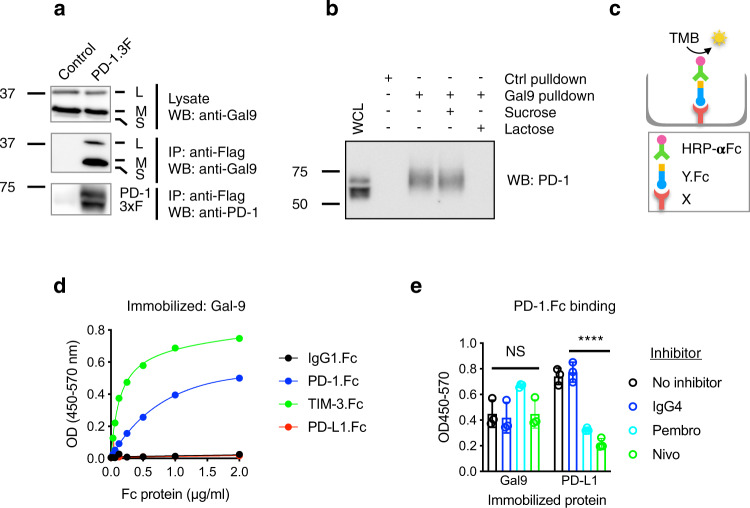
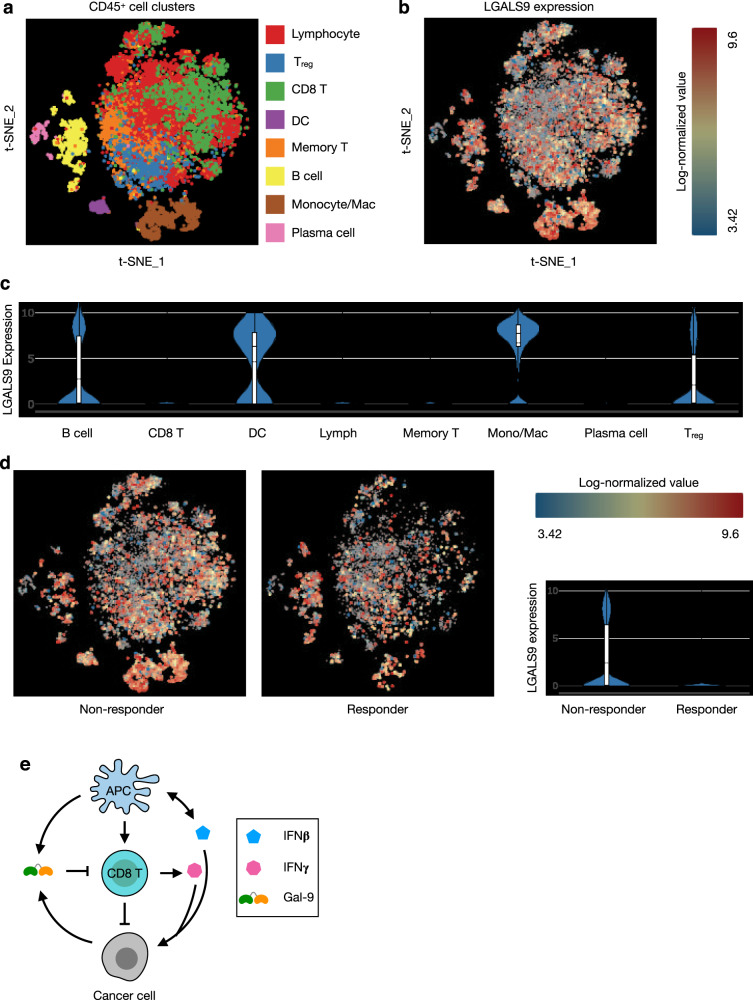
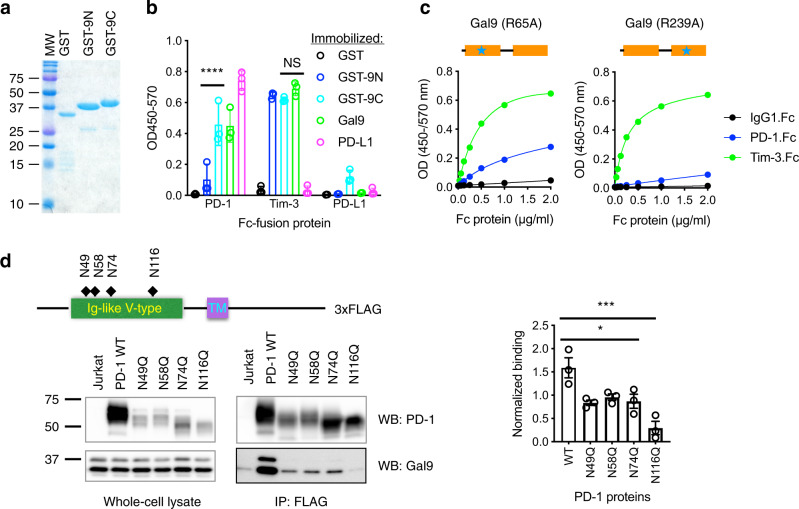
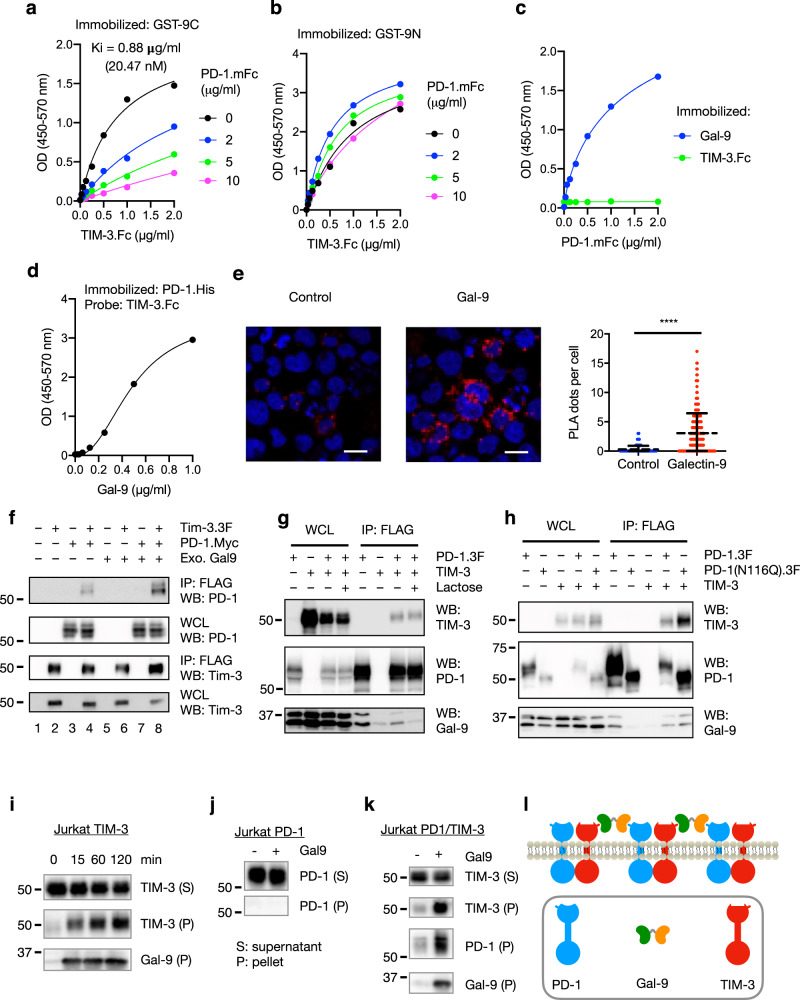
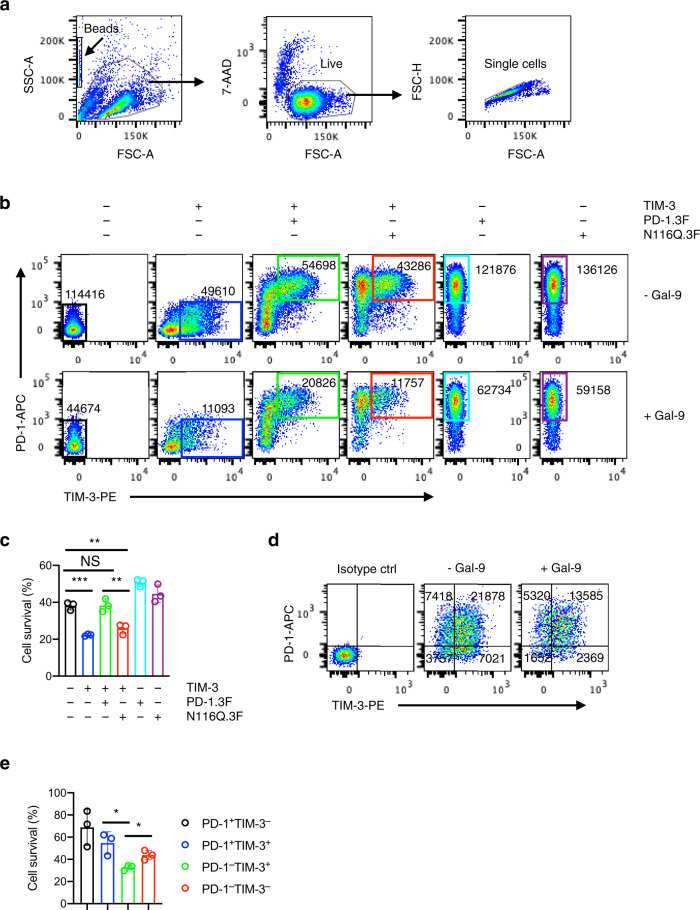
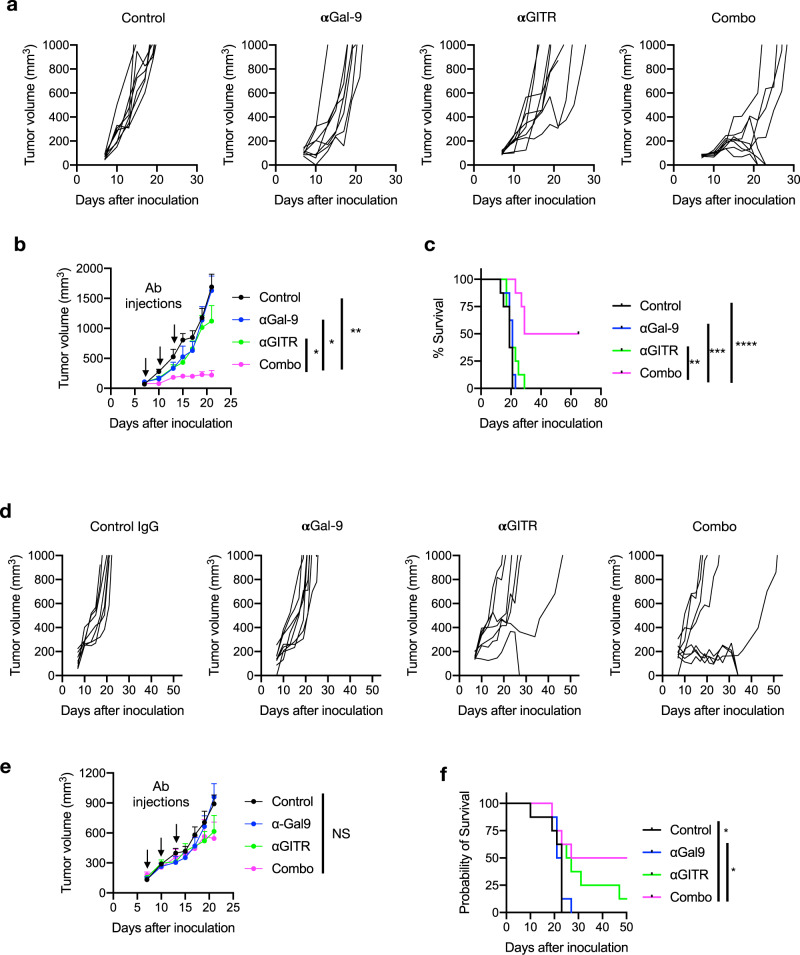
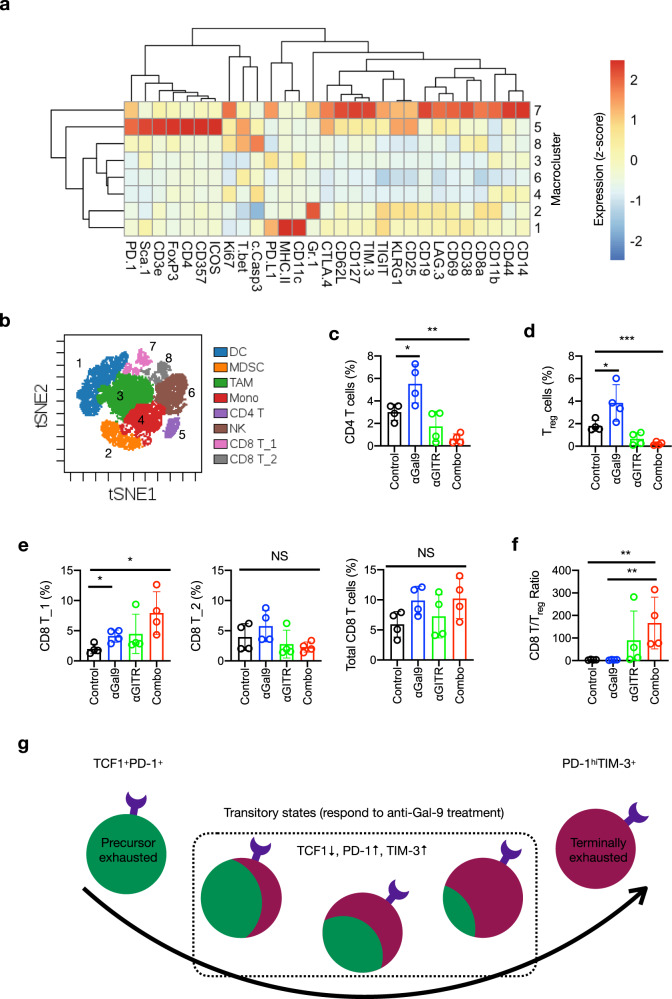
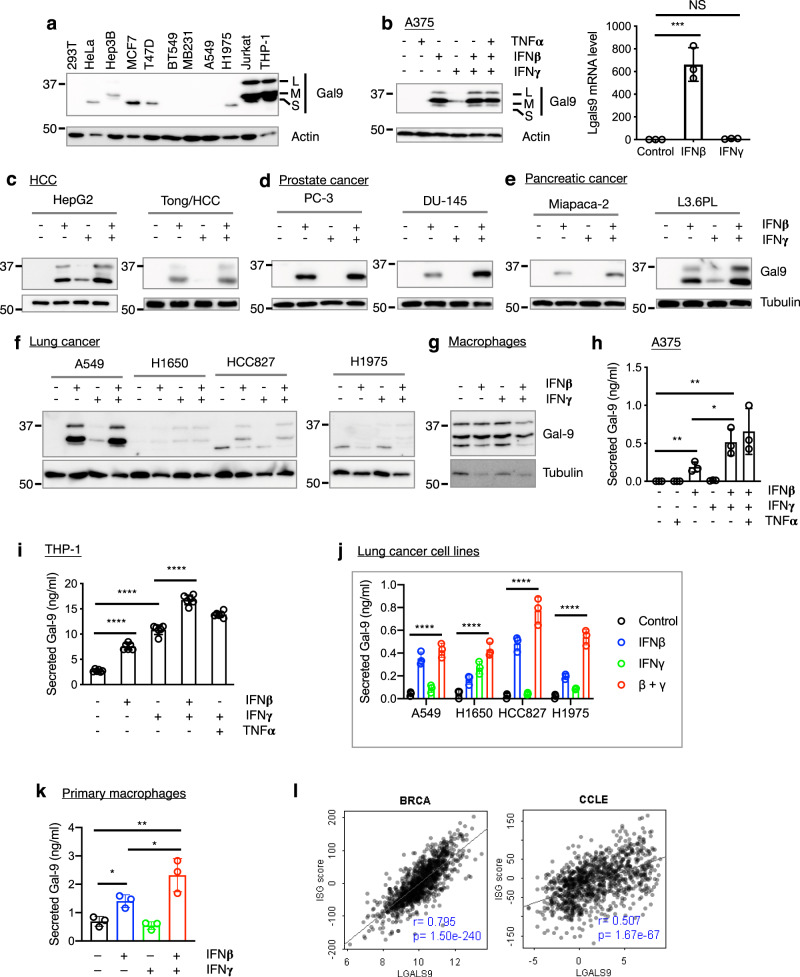
The two T cell inhibitory receptors PD-1 and TIM-3 are co-expressed during exhausted T cell differentiation, and recent evidence suggests that their crosstalk regulates T cell exhaustion and immunotherapy efficacy; however, the molecular mechanism is unclear. Here we show that PD-1 contributes to the persistence of PD-1TIM-3 T cells by binding to the TIM-3 ligand galectin-9 (Gal-9) and attenuates Gal-9/TIM-3-induced cell death. Anti-Gal-9 therapy selectively expands intratumoral TIM-3 cytotoxic CD8 T cells and immunosuppressive regulatory T cells (T cells). The combination of anti-Gal-9 and an agonistic antibody to the co-stimulatory receptor GITR (glucocorticoid-induced tumor necrosis factor receptor-related protein) that depletes T cells induces synergistic antitumor activity. Gal-9 expression and secretion are promoted by interferon β and γ, and high Gal-9 expression correlates with poor prognosis in multiple human cancers. Our work uncovers a function for PD-1 in exhausted T cell survival and suggests Gal-9 as a promising target for immunotherapy.
两个 T 细胞抑制受体 PD-1 和 TIM-3 在衰竭的 T 细胞分化过程中共同表达,最近的证据表明它们的串扰调节 T 细胞衰竭和免疫治疗效果;然而,其分子机制尚不清楚。在这里,我们表明 PD-1 通过与 TIM-3 配体半乳糖凝集素-9(Gal-9)结合,有助于 PD-1TIM-3 T 细胞的持续存在,并减弱 Gal-9/TIM-3 诱导的细胞死亡。抗 Gal-9 治疗选择性地扩增肿瘤内 TIM-3 细胞毒性 CD8 T 细胞和免疫抑制调节性 T 细胞(T 细胞)。抗 Gal-9 和激动剂抗体联合作用于共刺激受体 GITR(糖皮质激素诱导的肿瘤坏死因子受体相关蛋白)可耗竭 T 细胞,从而诱导协同抗肿瘤活性。干扰素β和γ促进 Gal-9 的表达和分泌,高表达 Gal-9 与多种人类癌症的不良预后相关。我们的工作揭示了 PD-1 在衰竭 T 细胞存活中的功能,并表明 Gal-9 是免疫治疗的一个有前途的靶点。